Da 279€




Blog
L’Umbria da Fiction
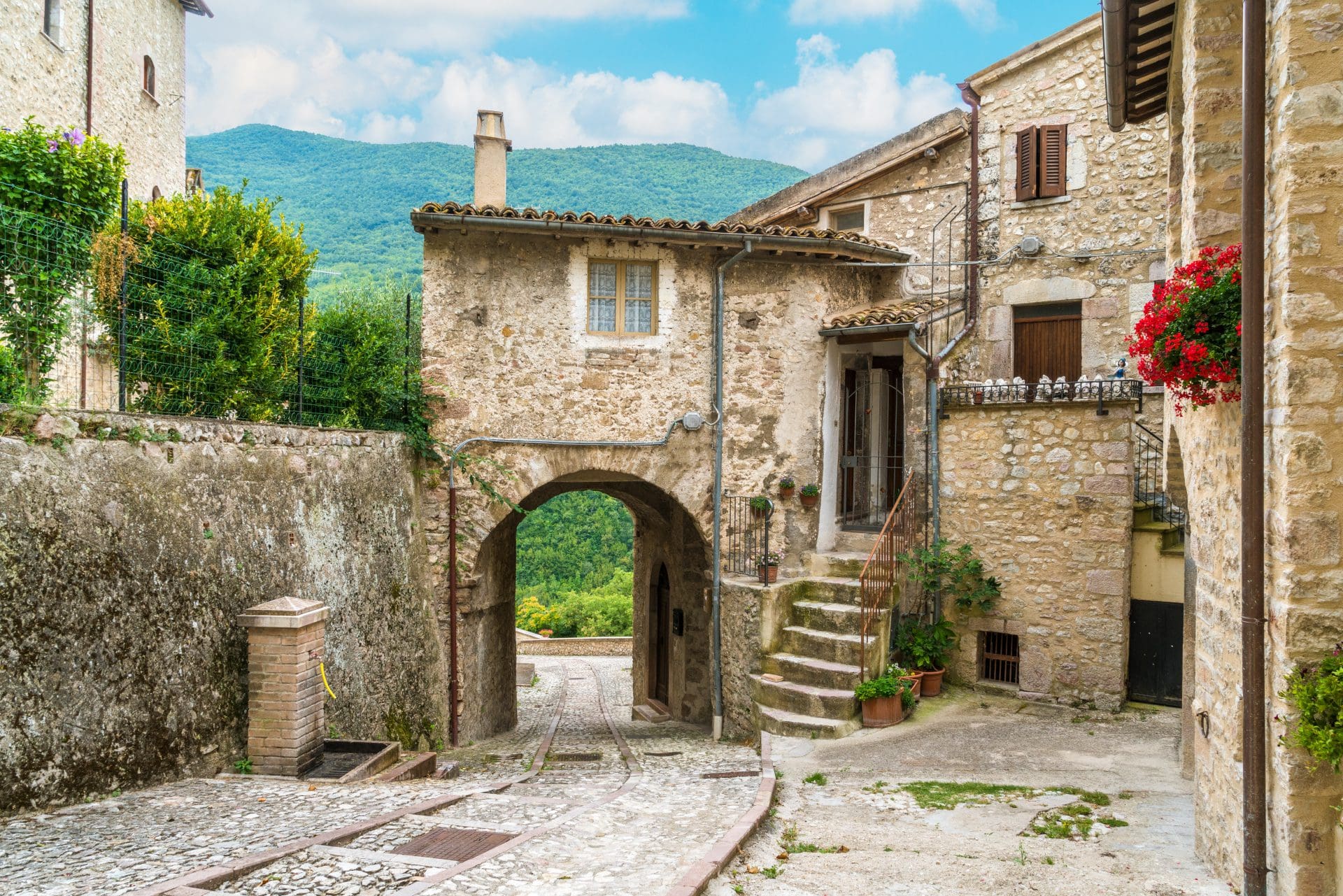
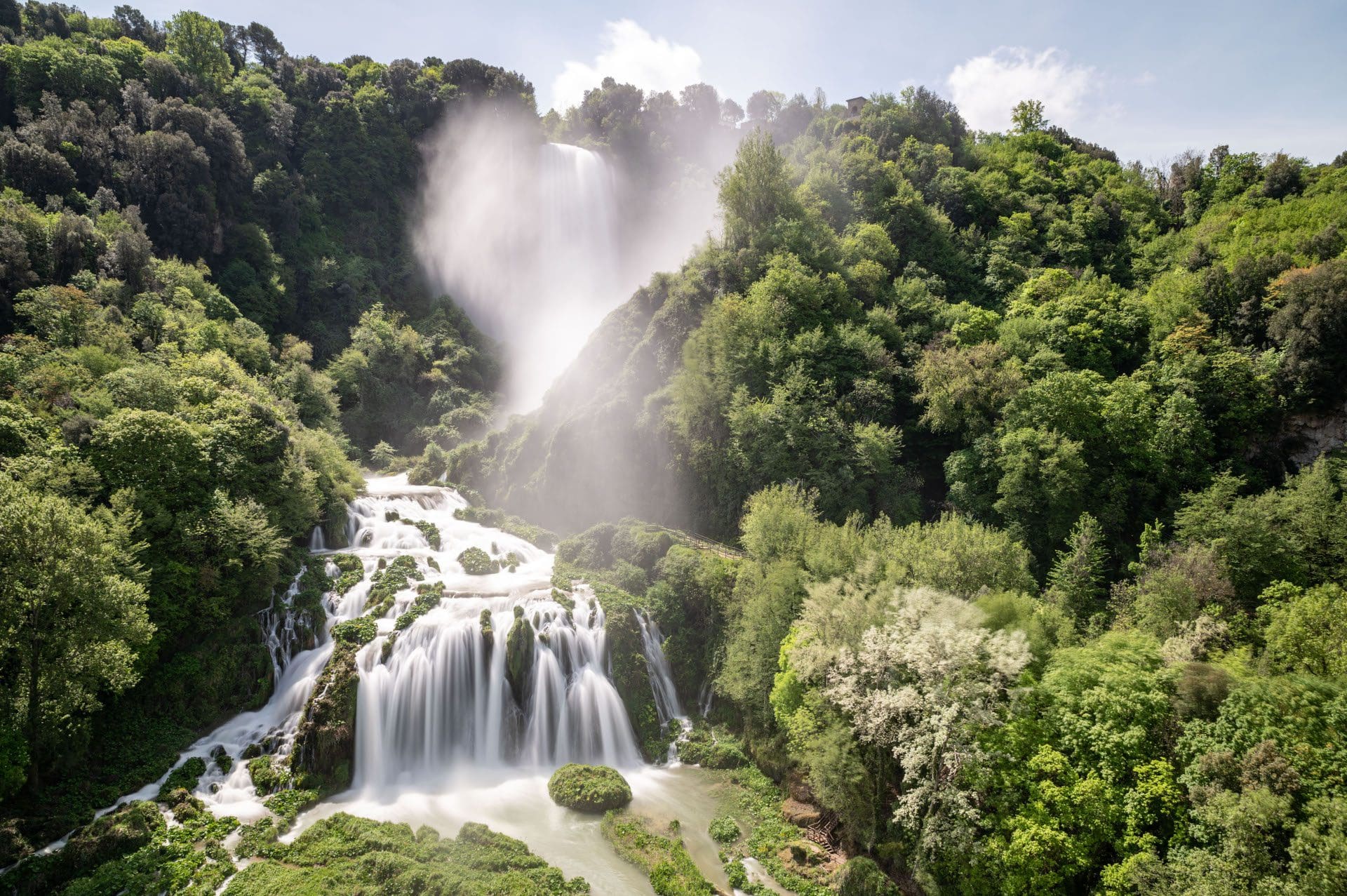
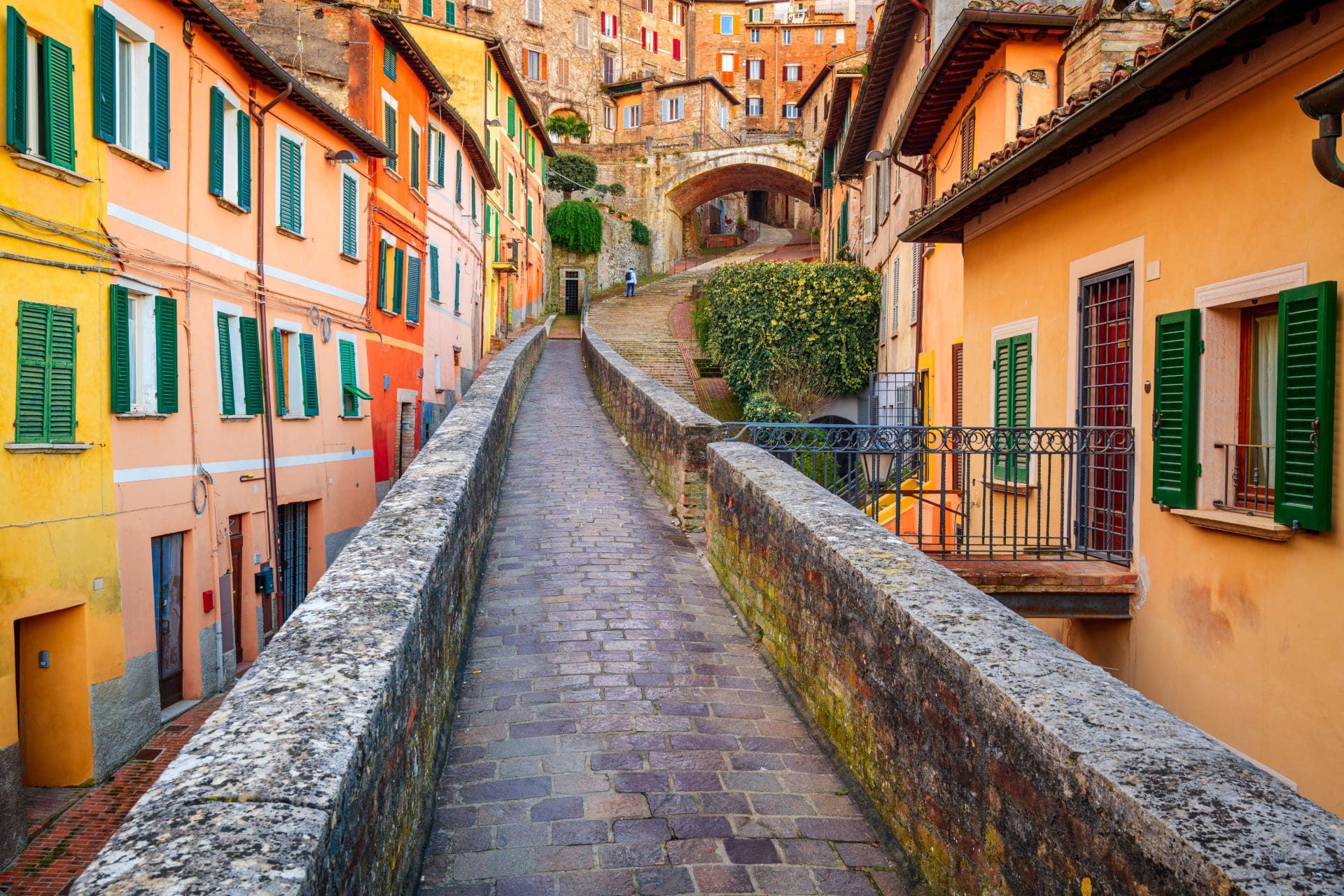
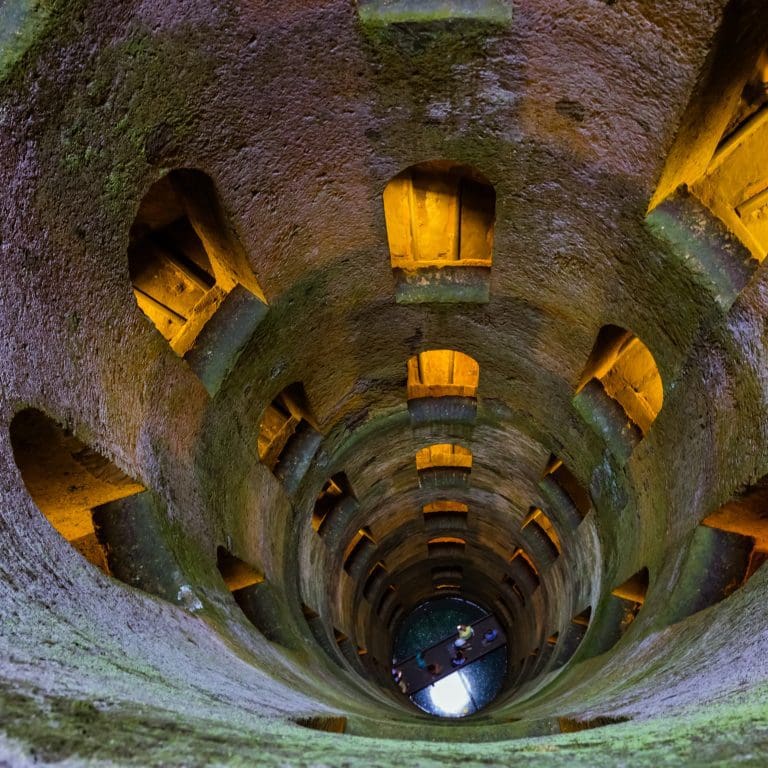
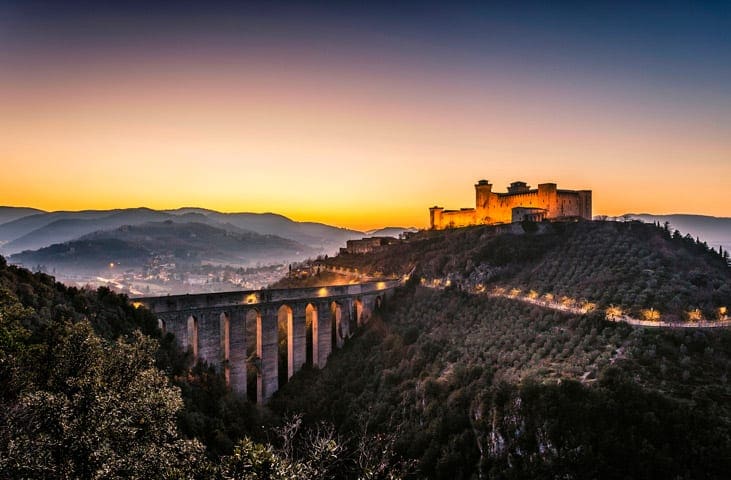
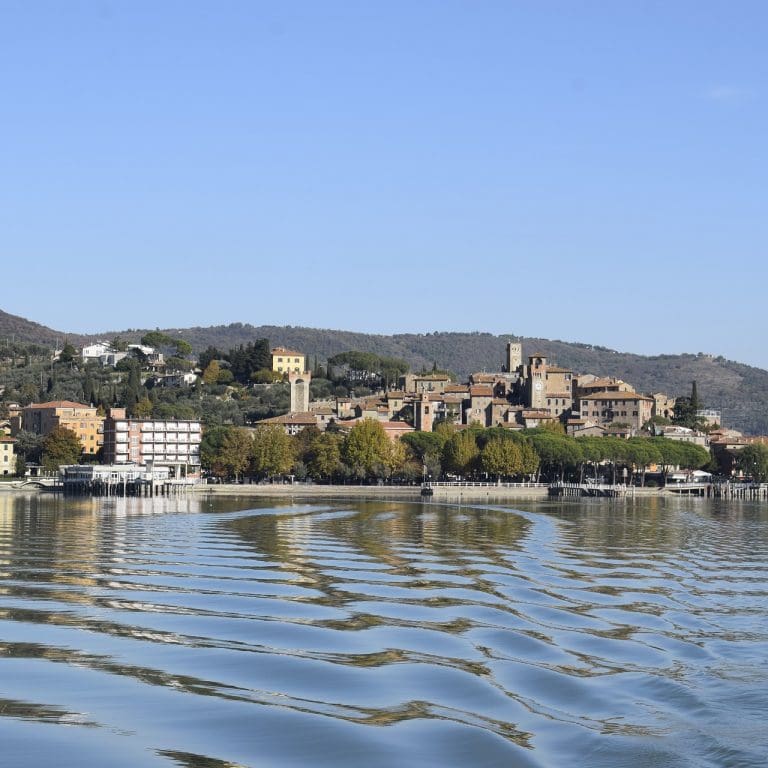
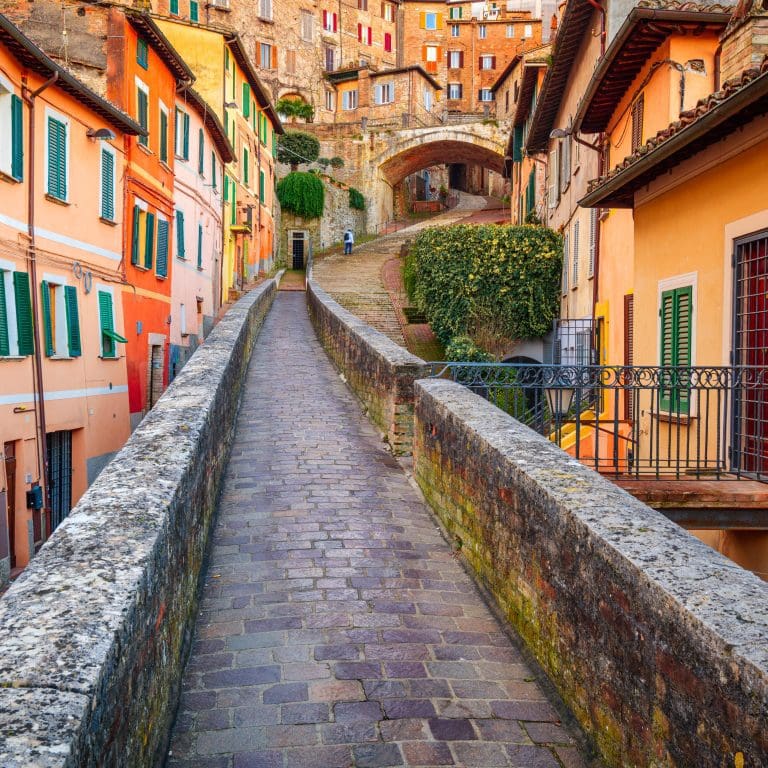
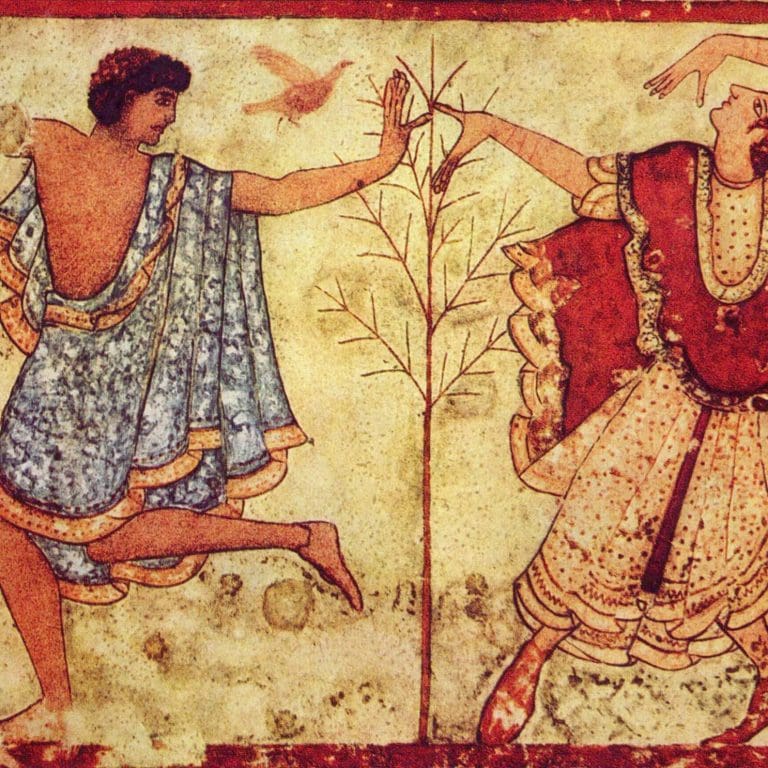
L’Umbria è un mondo di possibilità per cineasti e registi che desiderano catturare la sua bellezza e il suo fascino senza tempo.





Da 279€
Da 290€

Da 285€
Da 280€
Da 195€
Da 292€
Da 265€
Da 157€
Da 215€
Da 249€
Da 252€
Da 205€

Da 240€

Da 375€

Da 263€
Da 199€
Da 269€
Da 320€
Da 637€
Da 369€
Da 290€

Da 360€
Da 220€
Da 149€
Da 232€
Da 792€
Da 285€
Richiedi info
Da 149€
Da 219€
Da 299€
Da 125€

Da € 47,50

Da € 47,50
L’Umbria è un mondo di possibilità per cineasti e registi che desiderano catturare la sua bellezza e il suo fascino senza tempo.

Ci si avvicina alla Pasqua e sulle tavole umbre, imbandite di leccornie e decorate dai profumi della primavera con i suoi colori e il dolce

In occasione dell’8 marzo, Giornata Internazionale della Donna, vogliamo celebrarlo con alcune delle figure femminili, simbolo dell’Umbria, terra ricca di storia, arte, cultura e spiritualità

La storia di San Valentino di Terni è avvolta nel mistero e nel folklore, e diverse leggende si sono intrecciate nel corso dei secoli. San Valentino è venerato come patrono degli innamorati e la sua festa, il 14 febbraio, è celebrata in tutto il mondo.