
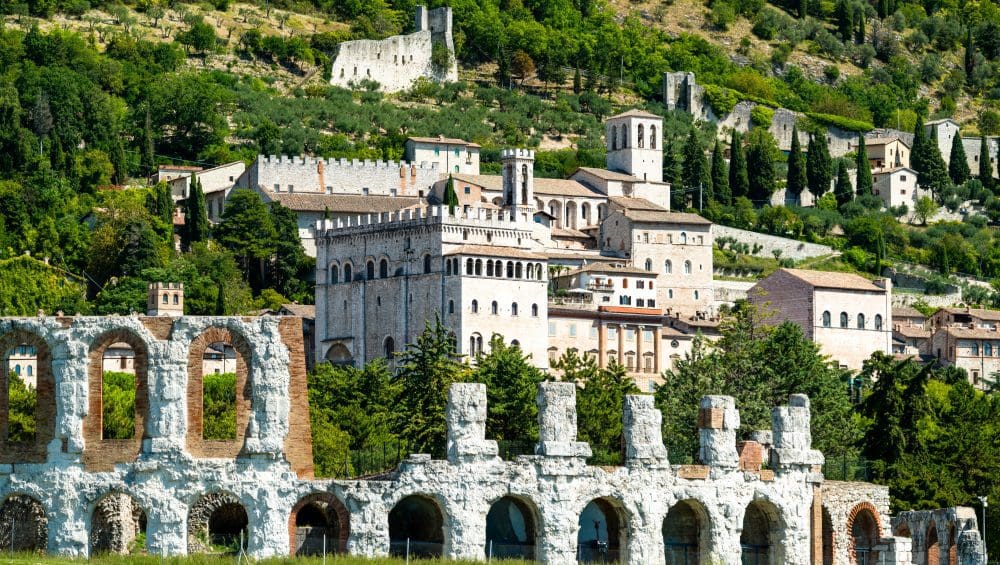
Gubbio: a stay amidst nature, culture, and biking

Gubbio: a stay amidst nature, culture, and biking

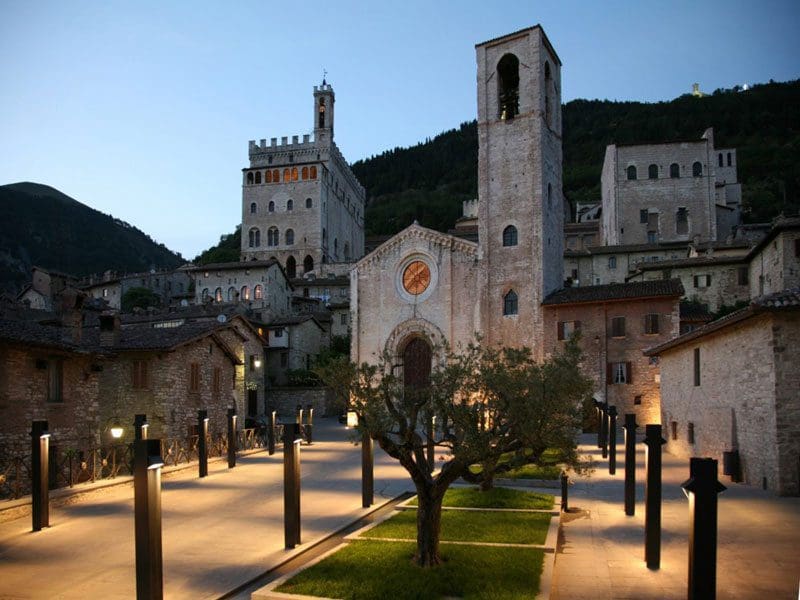
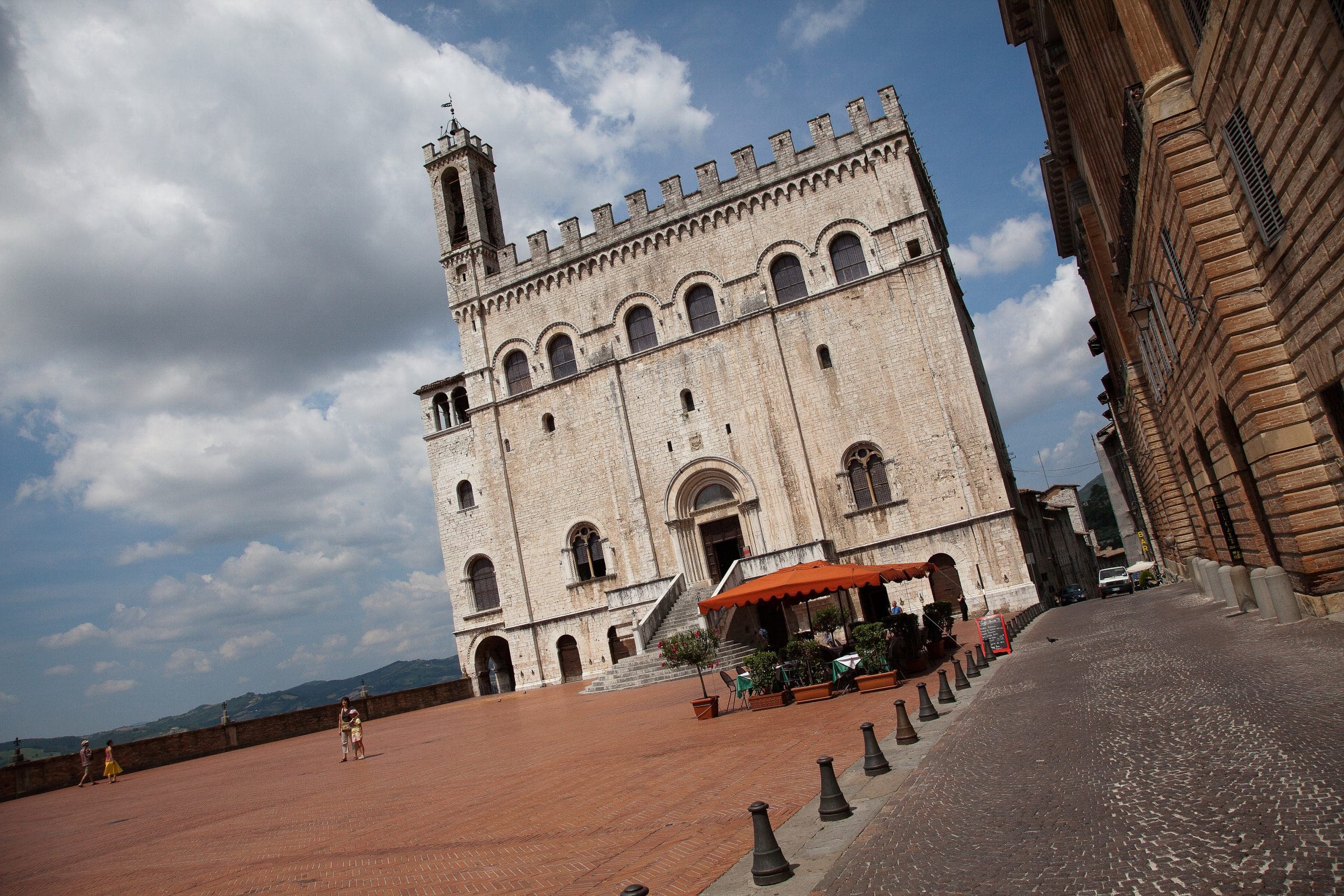
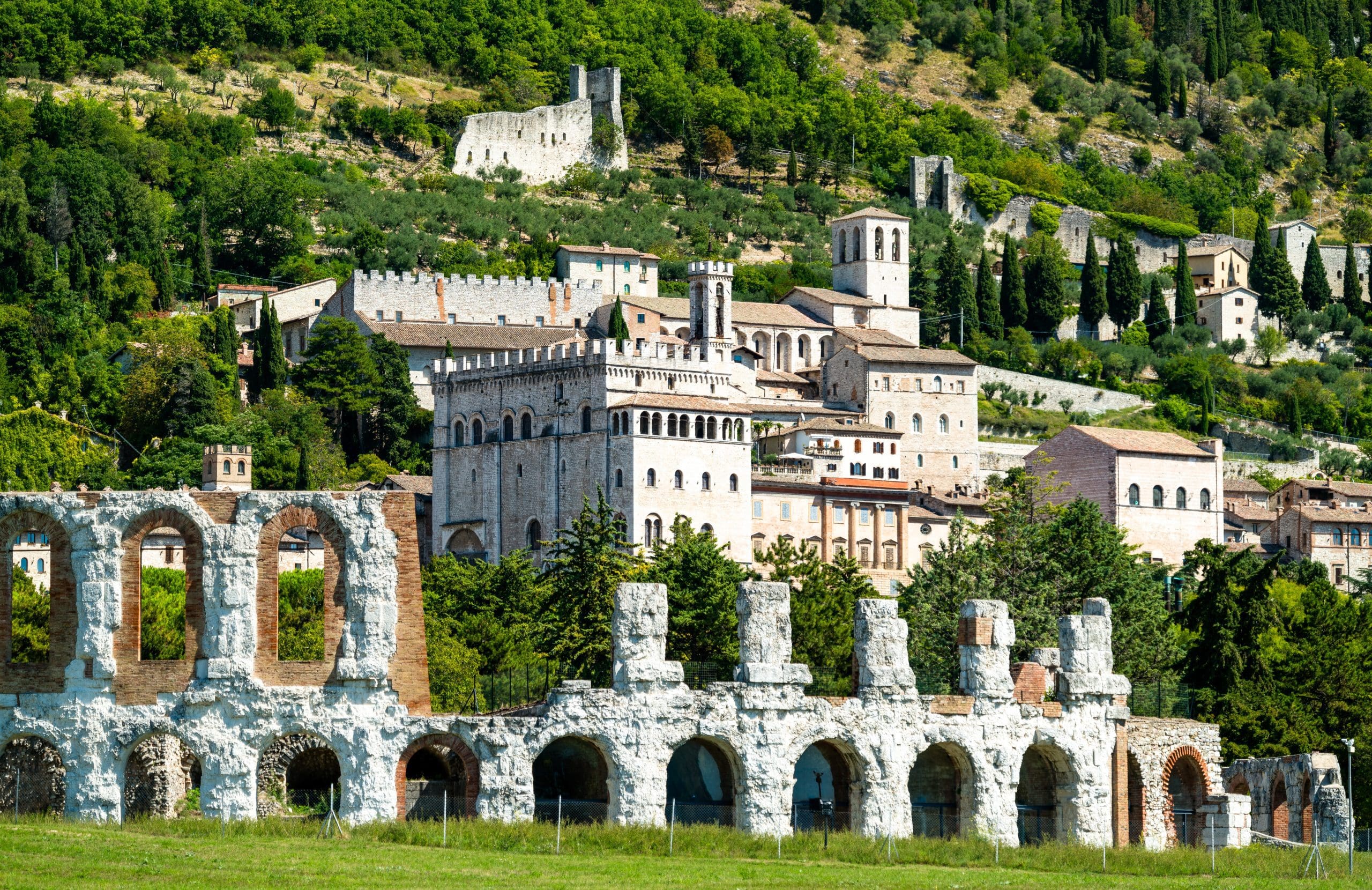
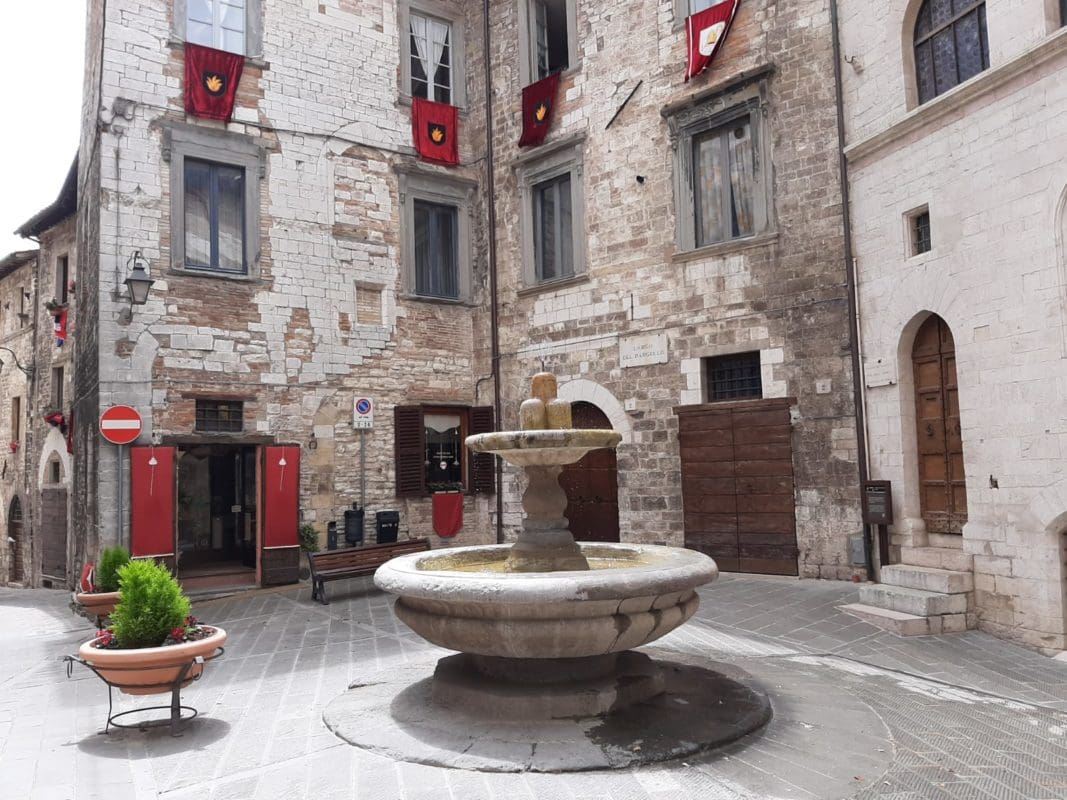
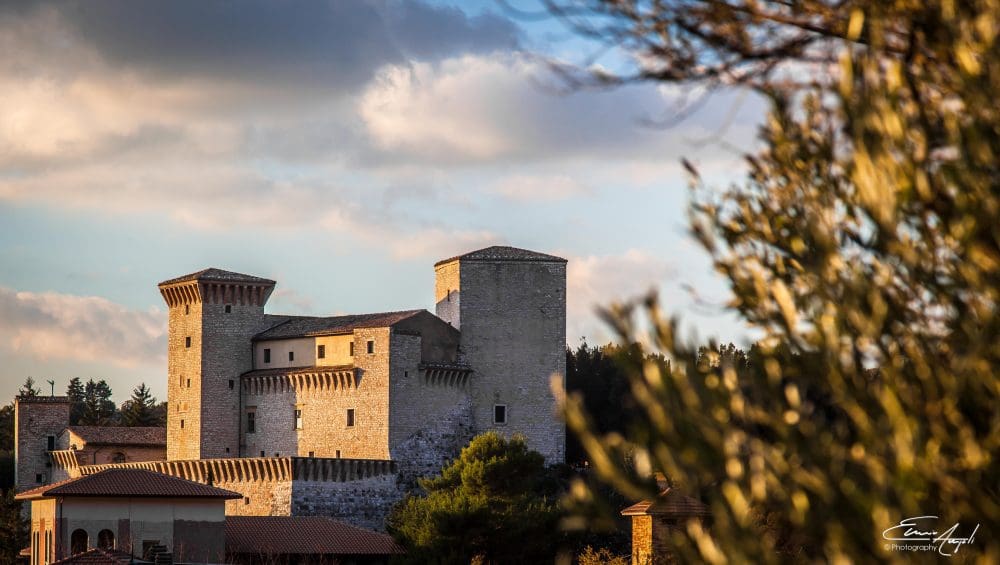
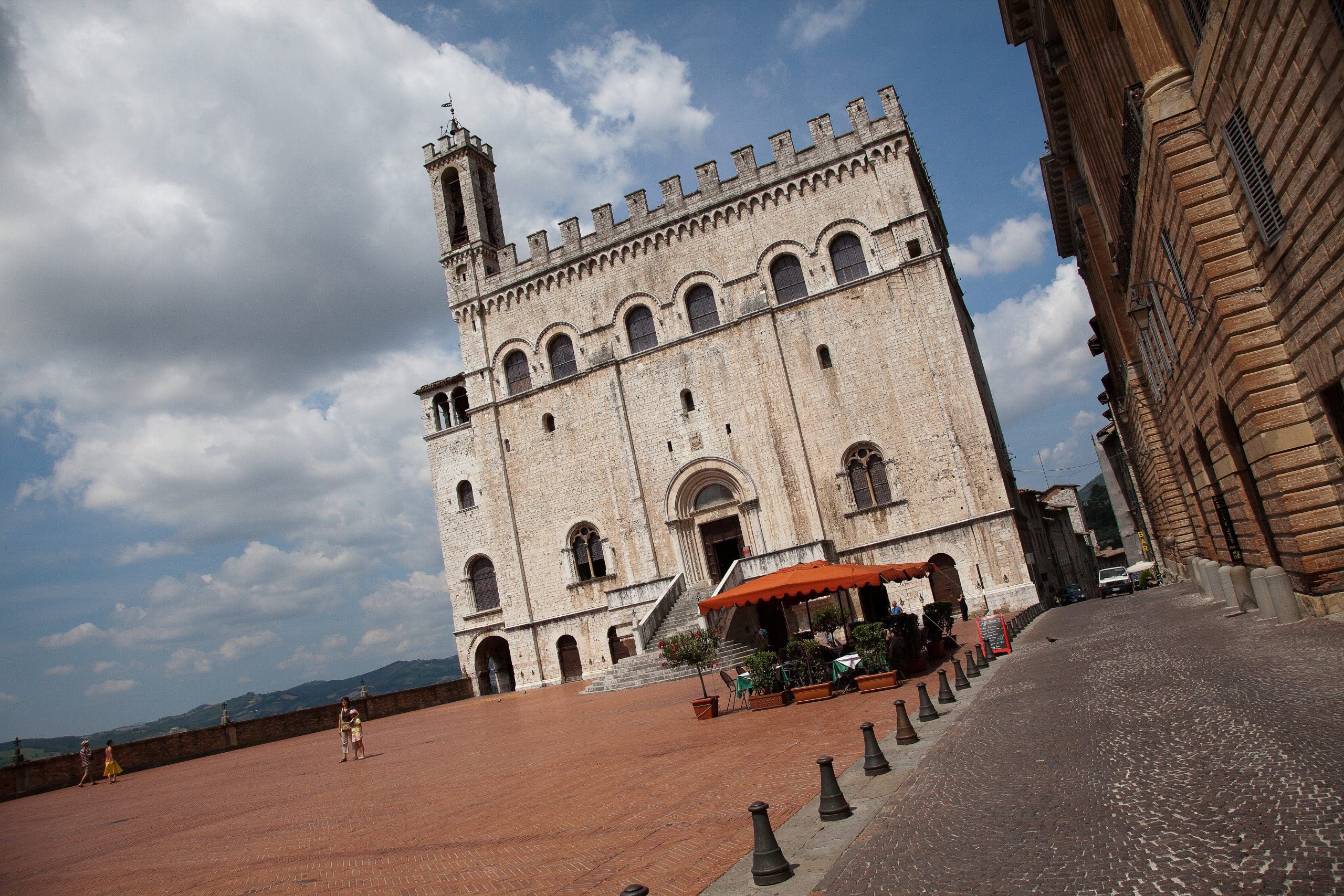
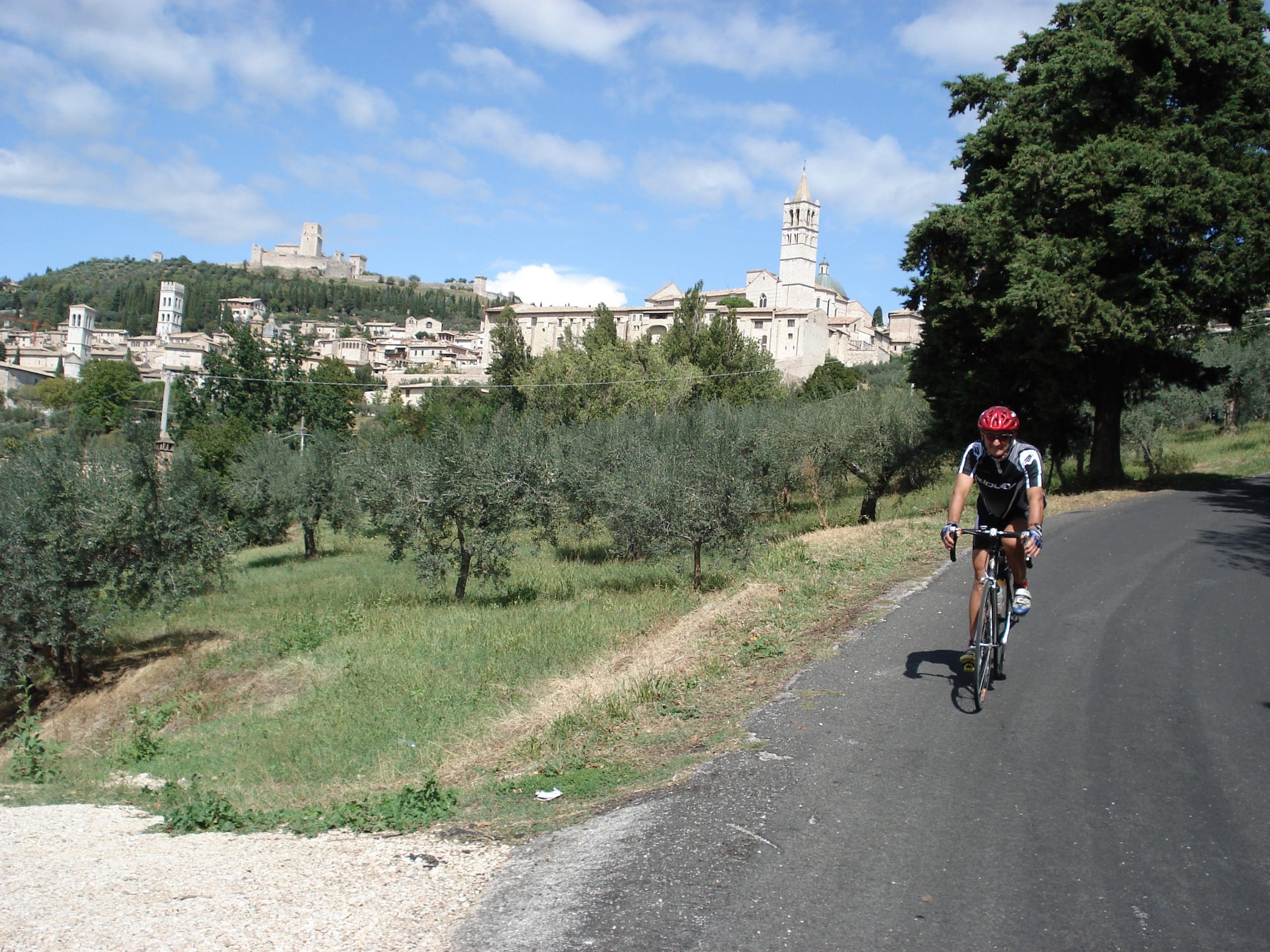
Gubbio is one of the most picturesque and charming medieval cities in Umbria. We have designed a tour with circular routes that can combine the ancient history of Gubbio, its artistic heritage, and pristine nature with biking proposals and a professional guide to explore the territory and its beautiful breathtaking panoramas.

Paths designed with varying levels of difficulty suitable for everyone: families, cycling enthusiasts, experienced bikers, etc

Choose which one is your favorite?

I CINQUE COLLI

The route is named after the symbol of the city of Gubbio, with the 5 hills representing the five hills behind the city. We start the ascent near the locality of Padule, which is immediately challenging but becomes easier after 2 km when we reach the paved road. This section is very scenic, and once we exit the vegetation, we find Monte Cucco and its valley to our right. Continuing, we reach the summit of Monte Ingino, where the wonder of the Basilica necessitates a stop to visit the place where the patron saint of Gubbio, St. Ubaldo, is located. The view over the city and the entire Eugubine plain is unique. Proceeding further, we cross two more hills with a steep ascent and, upon reaching the locality of Mocaiana, re-enter the city with a slight uphill.

Difficulty: DIFFICULT

Terrain: ASPHALT 30%
UNPAVED 50%
TRAIL 20%

LA PIANA EUGUBINA

An easy route that stretches across the local plains. The numerous roads bordering the agricultural fields create a fantastic network of paths protected by the surrounding hills. Ideal for starting a vacation in the area, admiring the beauty offered by nature, history, and our cuisine.

Difficulty: EASY
Terrain: ASPHALT 50%, DIRT ROAD 50%

PEDALANDO VERSO SUD SULLA VIA DI FRANCESCO

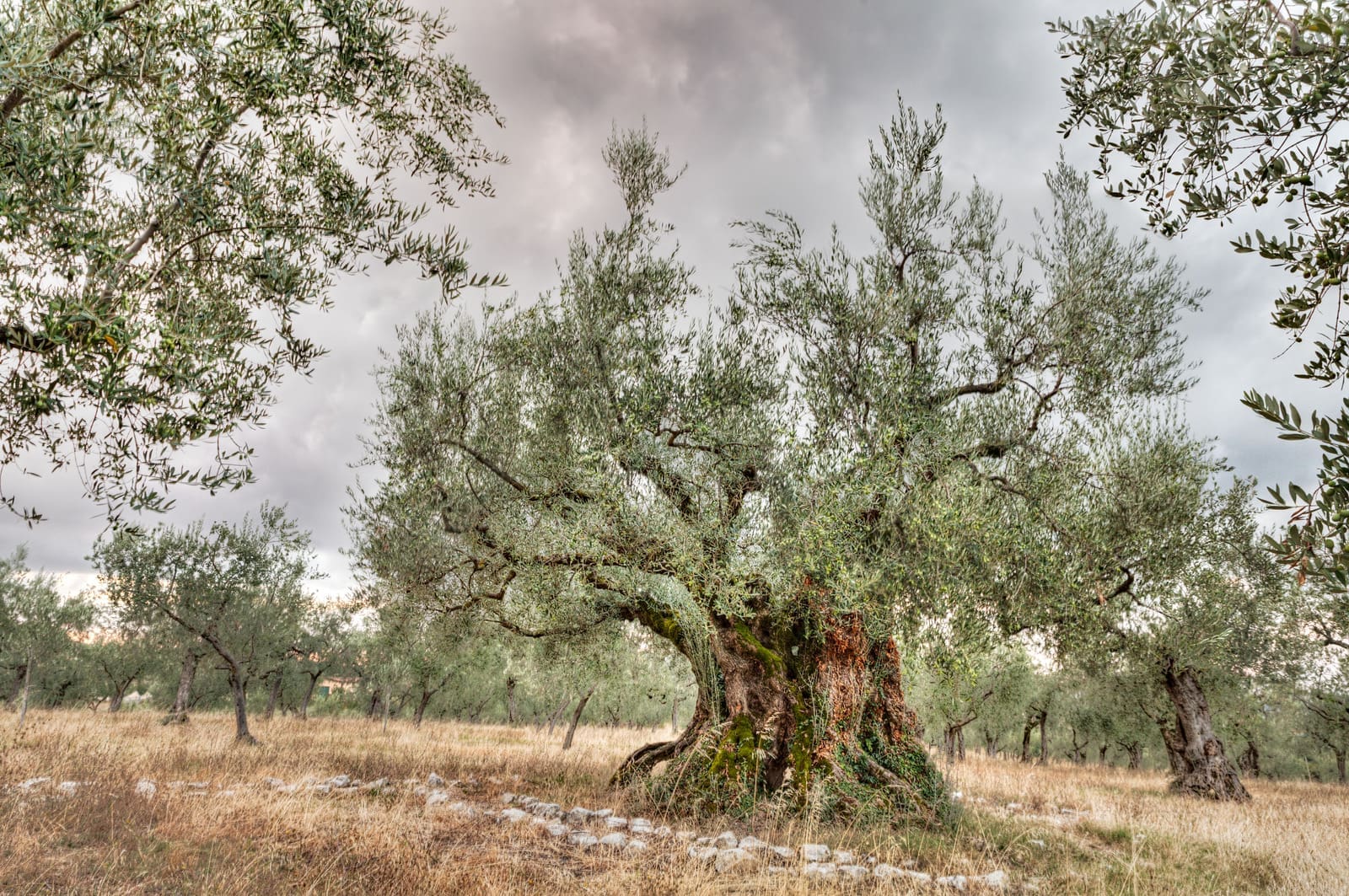
Sharing a short section of the Franciscan route with the many pilgrims traveling from Gubbio to Assisi, we start from the Vittorina church. After about 4 km, we reach the Ponte d’Assi area. Following the Mocaiana sign for about 800 meters and then turning left, the path becomes dirt, first on flat ground, then slightly uphill amidst olive groves and reforested areas of walnuts and cherries. We pass a green barrier and reach the summit. Here, the oak forest offers pleasant shade. Descending towards one of the lakes inside the Fassia Estate, artificial lakes built for irrigation, we climb again, keeping Gubbio to the left, returning to the asphalt road at a fast pace. We turn right and cross another hill, reaching the Colonnata area. The view here is fantastic; we are on the road leading to Perugia. We descend towards Gubbio and return, covering a section of the old Branca-Gubbio railway.

Difficulty: EASY
Terrain: ASPHALT 50%, DIRT ROAD 50%

DAL SOLE AL CASTELLO

The route winds through local crops for the first kilometers and then becomes completely flat. Heading east from the city, we reach the Torre dei Calzolari area, passing through dense woods and touching the Colmollaro Castle, a fief of the Raffaelli family, a marvel of our history. From here, we continue, passing through Branca, climbing along a dirt road until we reach a village with the Branca Castle. The route no longer has steep ascents, but continuous ups and downs make the return journey not too easy.

Difficulty: EASY
Terrain: ASPHALT 50%, DIRT ROAD 50%

TRA LE COLLINE EUGUBINE

Starting from the Vittorina church, a place of religious importance where St. Francis met and calmed the Wolf of Gubbio, we head south, crossing the main road. A few kilometers of asphalt, and the route becomes a dirt road. A small ascent allows us to admire a wonderful panorama of the Eugubian plain. We have reached the small hamlet of Monteluiano. From here, we climb on asphalt and then turn right. A series of ups and downs offer a unique view of the entire Eugubian valley. After a few kilometers, we descend and reach the Nerbisci hamlet. The return to the city is simple with a slight ascent. Passing through small villages, we return to the Stone City where the medieval era shines in all its facets.

Difficulty: MODERATE
Terrain: ASPHALT 50%, DIRT ROAD 50%

DA GUBBIO VERSO LA VALTIBERINA

A challenging route that unfolds entirely in the territory south of Gubbio. After an initial stretch on asphalt and a slight descent, we leave the plain to start the ascent on the hills bordering the Tiber Valley. Gubbio on our right and Mount Tezio on the left offer wonderful panoramic viewpoints. We descend quickly towards the westernmost point of the municipality of Gubbio, the Camporeggiano area (road leading to the Tiber Valley). There isn’t a single meter of flat terrain; it’s immediately uphill, returning towards the city of Gubbio.

Difficulty: MODERATE
Terrain: ASPHALT 40%, DIRT ROAD 60%


In addition to accommodation tailored to your needs, you can enhance your experience with:

  • On-track lessons in e-bike and mountain biking for adults and children
  • Tour with the Gubbio Express
  • Ascent and descent with the Gubbio Cable Car
  • Truffle tastings
  • Beer tastings
  • Museum visits

Ask for information


    I have read the information and authorize the processing of data as reported in thePrivacy Policy
    I authorize the sending of commercial communications (optional)

    In Partnership

    Gallery

    The green gold of Umbria

    The green gold of Umbria

    Starting from Euro 229,00 per person

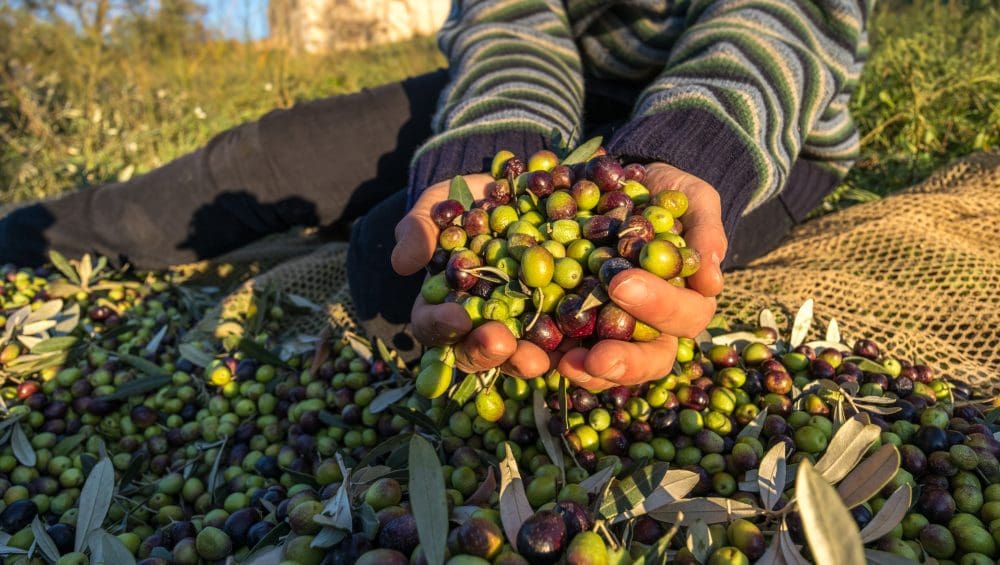
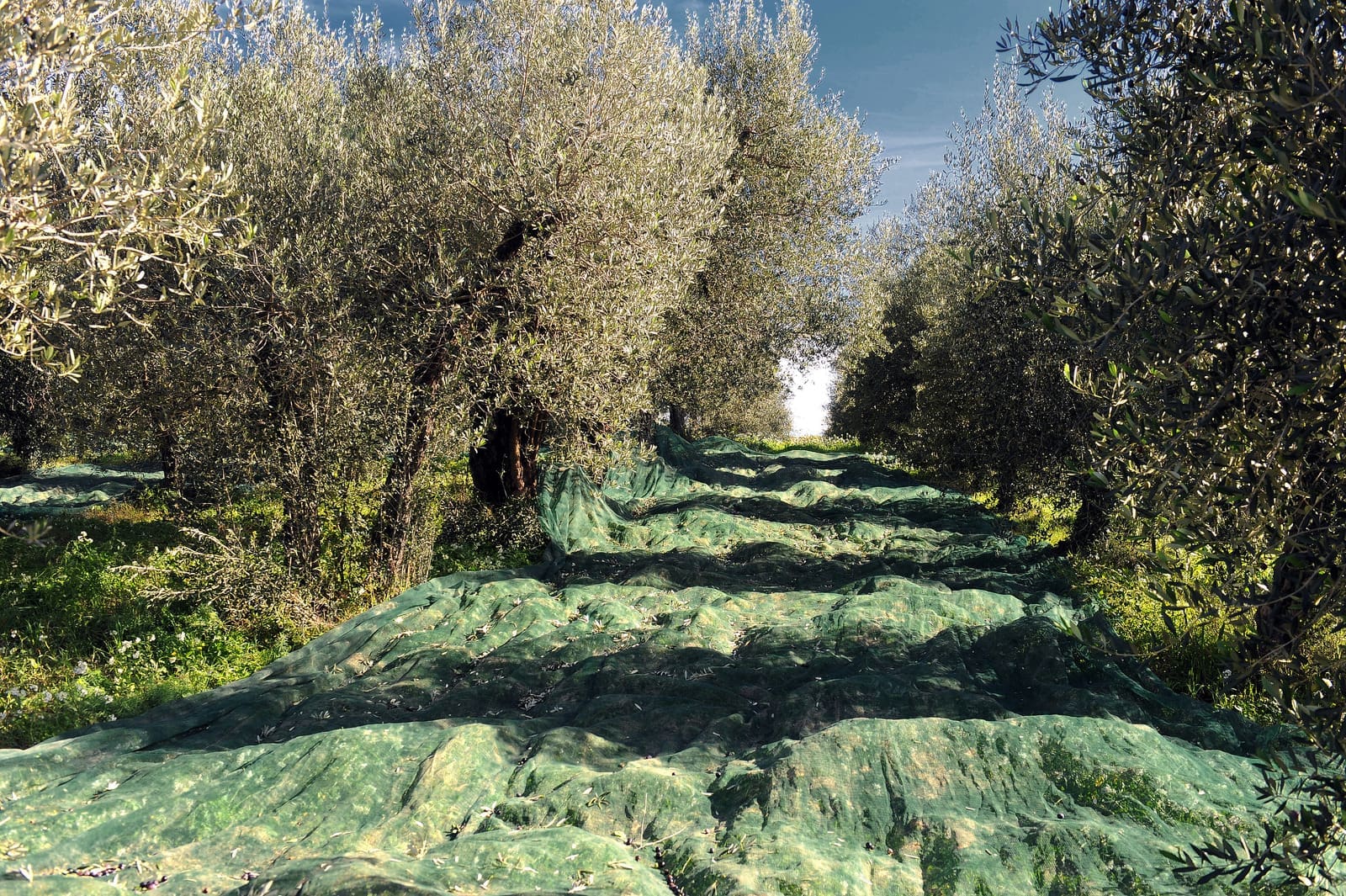
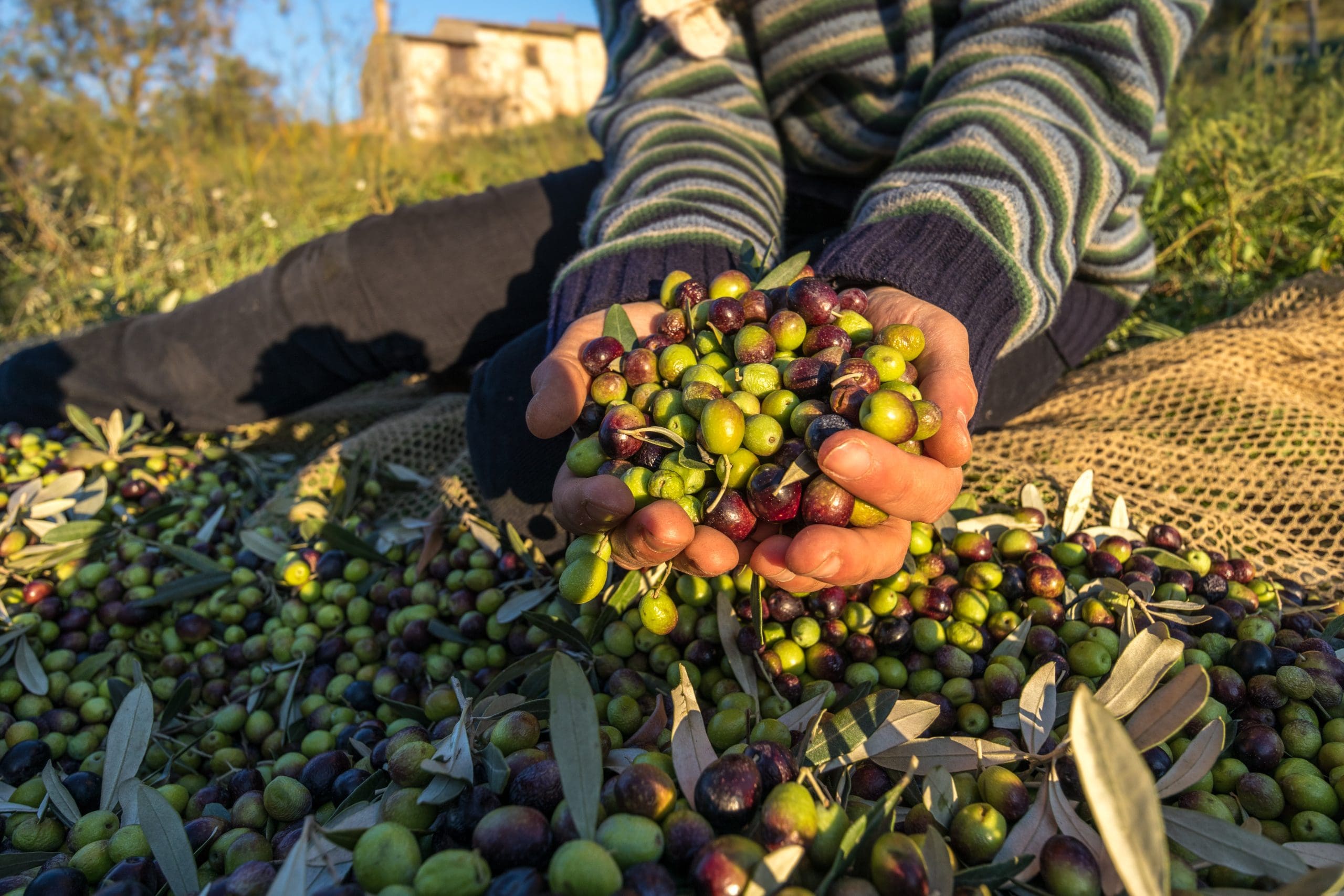
    The itinerary will lead you to discover Umbria’s green gold: Extra Virgin Olive Oil, traversing a territory rich in history and stories of its glorious past, centered around Trebbiano Spoletino.

    1° day

    Arrival in the early afternoon and free walk around Spoleto, city of the Festival dei Due Mondi and more recently known as the setting for the TV series “Don Matteo”. Enjoy a leisurely stroll through the historic city center, rich in artistic and cultural treasures, which have been made famous in recent years by the filming of “Don Matteo”. Throughout the year, the city offers entertainment opportunities such as festivals, exhibitions, and shows. Spoleto is a human-scale city, ideal for exploring on foot or by bike, and is an optimal starting point for our tours. Overnight stay in accommodation.

    2° day

    After breakfast, we will move near Trevi to visit the Museum of Olive Civilization and stop at an olive oil mill for a tasting of extra virgin olive oil. There’s an option to organize a bicycle ride along the Olive Belt that connects Spoleto to Assisi. Lunch on your own. In the afternoon, we continue to Campello sul Clitunno for a stroll through the village. Visit with a tasting at a Trebbiano Spoletino winery. Overnight stay in accommodation.

    3° day

    After breakfast, before returning to your destination, we suggest a stop at the Marmore Falls, with entrance to the park.

    Our best offer is starting from € 229,00 per person

    The rate is per person in a double room and includes:

    • 2 nights of bed and breakfast
    • Entrance to the Museum of Olive Civilization in Trevi
    • Olive oil tasting with a small snack
    • Tasting of Trebbiano
    • Spoletino wine with a small snack
    • Entrance to the Marmore Falls Park
    • Umbria & Bike Kit
    • Travel insurance by Europ Assistance

    The rate does not include:

    • Extras and tips
    • City tax to be paid locally
    • GPX tracks or detailed road map
    • Luggage transportation along the route
    • Bicycle rental
    • Transportation
    • Anything not expressly mentioned under “includes”

    Ask for information


      I have read and authorise the processing of my data in accordance with thePrivacy Policy

      I authorise the sending of commercial communications (optional)

      In Partnership

      Gallery

      From Fortress to Fortress in the Trebbiano Territory

      From Fortress to Fortress in the Trebbiano Territory

      Starting from Euro 169,00 per person

      The area extending between Spoleto, Castel Ritaldi, and Giano dell’Umbria is characterized by a landscape of gentle hills where the cultivation of Trebbiano Spoletino alternates with olive trees. The numerous fortresses and castles dominate the landscape, bearing witness to the importance of the Duchy of Spoleto in the Middle Ages.

      1° day

      Arrival in Spoleto in the early afternoon. Enjoy a leisurely walk through the historic city center, rich in artistic and cultural treasures, which have recently been made famous by the filming of “Don Matteo.” Throughout the year, the city offers various entertainment opportunities such as festivals, exhibitions, and shows. It is a human-scale city, ideal for exploring on foot or by bike, and serves as an excellent starting point for our tours. We suggest a walk through the village of Campello Alto.
      Check-in at the accommodation for the overnight stay.

      2° day

      After breakfast, the walk, also possible by e-bike, will allow you to discover two villages in the area: Giano dell’Umbria, located at the foot of the Monti Martani, features its own castle and the notable Abbey of San Felice, with its 6th-century crypt housing the saint’s relics. Next, you’ll continue to Castel Ritaldi, formed from the merging of three medieval villages: Castel Ritaldi itself, Colle del Marchese, and Castel San Giovanni, where the castle was built by Cardinal Albornoz in 1376.

      During the day, there will be a stop at a winery producing Trebbiano Spoletino for a tasting with a snack.

      Check-in at the accommodation for the overnight stay.

      3° day

      After breakfast and before returning to your destination, there will be a stop at the Fonti of Clitunno, described by Goethe in his journey through Italy.

      Our best offer is starting from € 169,00 per person

      The rate is per person and includes:

      • 2 nights of bed and breakfast
      • Tasting of Trebbiano Spoletino wine with a small snack
      • Entrance at Clitunno’s Park
      • Umbria & Bike Kit
      • Assicurazione Viaggi Europ Assistance

      The rate does not include:

      • Extras and tips
      • City tax to be paid locally
      • GPX tracks or detailed road map
      • Luggage transportation along the route
      • Bicycle rental
      • Transportation
      • Anything not expressly mentioned under “includes”

      Ask for information


        I have read and authorise the processing of my data in accordance with thePrivacy Policy

        I authorise the sending of commercial communications (optional)

        In Partnership

        Gallery

        What to do in Umbria in June? UmbriaSì tells you

        June in Umbria offers an irresistible mix of culture, relaxation and uncontaminated nature. The mild climate and long days invite you to explore fascinating villages, evocative landscapes and food and wine delights.

        Here are our three tips on what to do in Umbria in June

        Art, history and relaxation in the medieval villages 

        June is the ideal time to immerse yourself in the history and beauty of the Umbrian villages, without the crowds of the high season. Visit Spello, with its flower-filled streets and artistic masterpieces, or discover Bevagna, where the medieval atmosphere can be felt at every corner. Explore Todi or Gubbio, with its silent squares and breathtaking views. After a day of exploration, relax in a farmhouse immersed in in the green, enjoying the local cuisine.

        Nature experiences: trekking and green walks 

        Umbria in June is a feast for nature lovers. Treat yourself to a hike in the Sibillini Mountains or a trek along the Sentiero degli Ulivi, which connects Assisi to Spoleto, crossing hills and olive groves. If you prefer a more relaxing day, organize a picnic on the shores of Lake Trasimeno or enjoy a walk in the shaded woods of Mount Subasio.

        Outdoor food and wine: a journey through authentic flavors 

        June is perfect for enjoying unique outdoor culinary experiences. Discover the area’s excellence with a tour of the cellars of Montefalco, where Sagrantino is the protagonist, or stop in Trevi to taste the extra virgin olive oil, symbol of the region. Take part in a dinner under the stars at a local farm or at a village festival, where you can savor typical dishes such as torta al testo or strangozzi with truffle, accompanied by a good glass of wine.

        💚 We are waiting for you in Umbria 💚

        Progetto La Contessa

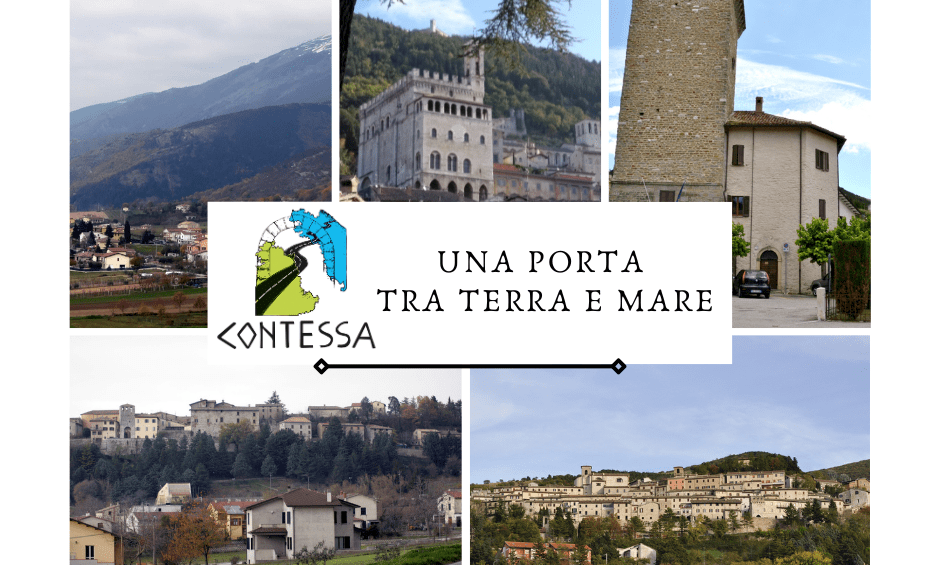
        La Contessa: una porta tra terra e mare

        Il progetto “La Contessa” nasce dalla volontà condivisa di valorizzare il territorio che si estende da Gubbio e i Comuni limitrofi della fascia appenninica.

        Seguendo il percorso della storica strada “La Contessa” verso nord-est, che ha recentemente riaperto, l’iniziativa mira a offrire un’esperienza unica a tutti i visitatori.

        Il nostro obiettivo è promuovere il turismo lento, con un’enfasi sulle esperienze enogastronomiche, culturali, storiche e outdoor. Vogliamo mettere in luce aree e attività che vantano una forte identità storica e culturale, creando nuove opportunità per scoprire e apprezzare le meraviglie di questa regione.

        Nell’ideale fil rouge interregionale, saranno valorizzati anche gli aspetti archeologici. Tutto da ammirare quindi il Teatro Romano di Gubbio e il suo Antiquarium, insieme alla collezione di iscrizioni conservate nel Museo civico di Palazzo dei Consoli. Per poi proseguire lungo l’antico tracciato della Flaminia e scoprire il poderoso Ponte Mallio a Cagli, il museo e il parco archeologico di Fossombrone (l’antica Forum Sempronii) e arrivare a Fano attraversando l’Arco di Augusto.

        Unisciti a noi in questo viaggio alla scoperta delle meraviglie del nostro territorio e delle sue ricche tradizioni!

        Il progetto sarà realizzato grazie al contributo del Comune di Gubbio, dell’assessorato regionale al turismo dell’Umbria e della Camera di commercio dell’Umbria

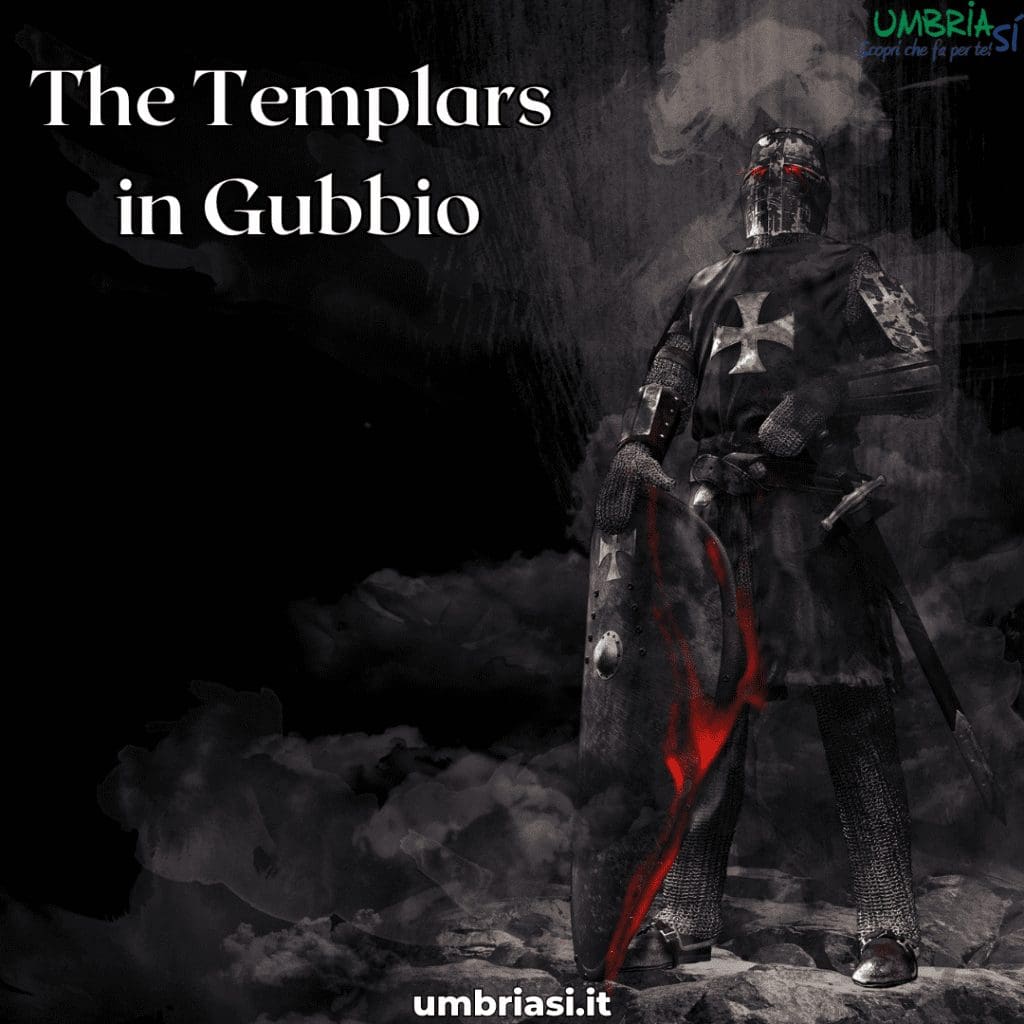
        The Templars in Gubbio

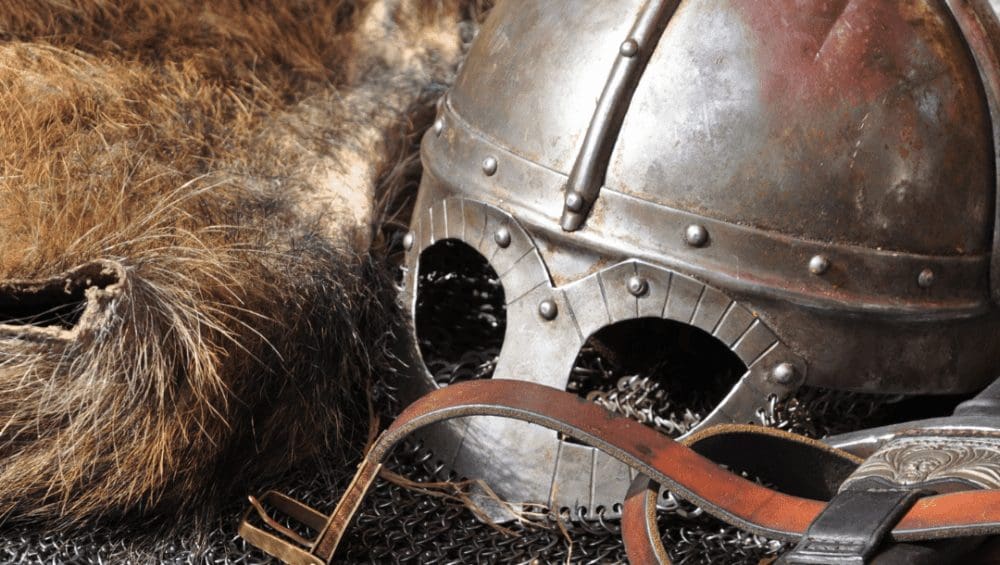
        Welcome to the heart of Umbria, where history blends with the charm of the Templars. Gubbio, a picturesque medieval city hides secrets that date back to the era of the Knights Templar. In this article, we will take you on a journey through time to discover the fascinating link between Gubbio and the Templars, offering a panoramic view of this ancient order and its traces in the heart of this city.

        The history of the Templars
        To fully understand the influence of the Templars in Gubbio, it is essential to take a look at their history. The Order of the Templars, also known as the Knights Templar, was founded in the 12th century during the Crusades in the Holy Land. These warrior-monk knights were famous for their military prowess, their religious devotion, and their incredible wealth.

        The Templars played a significant role in the Crusades, defending Christian pilgrims and amassing vast amounts of wealth and property throughout the known world. Their influence also extended to Italy, and Gubbio was no exception. From a famous writing by a nobleman from Eugubino we read about a certain Knight Battista Sforzolini: “Battista Sforzolini, knight of the Temple of Jerusalem, was one of the bravest warriors of his time; he was always the first in all the most dangerous ventures; he never escaped danger, he almost overcame it with valor and wisdom, and in the most frightening battles he showed that a generous heart cannot find danger that frightens it.”

        The Templars in Gubbio
        Gubbio, with its strategic position and historical importance, became an important center for the Templars in Italy. This city was a crucial crossroads for travelers and pilgrims heading to Rome and played a key role in the network of Templar settlements in Italy. The Inquisition process was inaugurated in Gubbio, in the palace of the Church of Santa Croce della Foce and in the palace of the Bishopric.
        Between Gubbio and the neighboring municipalities of Scheggia and Pascelupo, Scheggia, Costacciaro, Sigillo, Fossato di Vico… there are many traces and symbols such as the Templar crosses which testify to the presence of the Templars in the Umbrian land.

        Gubbio is a hidden treasure for history buffs and those fascinated by the history of the Templars. This fascinating journey will allow you to discover the secrets of this ancient order and immerse yourself in the unique atmosphere of a city that has kept its Templar heritage alive over the centuries.

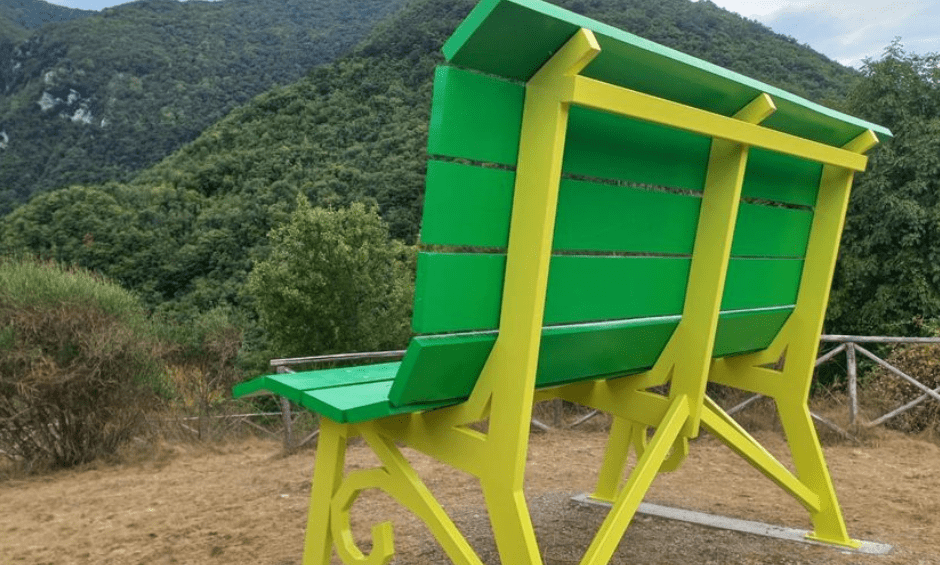
        Big Bench #379 Scheggia e Pascelupo

        Arrivata la BIG BENCH N. #379 SCHEGGIA E PASCELUPO Fraz. Pascelupo (PG)

        Panchina con seduta verde e struttura in ferro gialla, perfettamente integrata con i colori della natura circostante. Si trova sul Poggio della frazione di Pascelupo, nel Comune di Scheggia e Pascelupo, a circa 530 metri sul livello del mare, all’interno del Parco del Monte Cucco. Questo territorio, caratterizzato da un’eredità templare e una natura incontaminata, si estende su un colle circondato da monti e ruscelli, con sentieri che si snodano tra boschi, vallate e imponenti pareti rocciose. Dalla panchina si gode di una vista mozzafiato sulla Forra del Rio Freddo, sul monte Cucco con la sua spettacolare grotta, sull’Eremo Camaldolese di San Girolamo, sul monte Motette e sul monte Catria, celebre per l’Eremo Benedettino di Fonte Avellana, menzionato da Dante nel canto XIX del Paradiso della Divina Commedia. Poco distante si trova anche il suggestivo Castello Medievale di Pascelupo.

        La Crescia

        La Contessa: una porta tra terra e mare

        Ti raccontiamo


        La Crescia

        La Crescia, specialità semplice e genuina, ma con radici profonde nel territorio eugubino e simile a una focaccia, è uno degli alimenti più antichi della zona, con origini che risalgono alla civiltà degli Antichi Umbri. Il suo antenato diretto è la “mefa”, menzionata nelle Tavole Eugubine come un’offerta sacra al dio Fisovio durante le cerimonie rituali. Questo pane rituale non solo nutriva i corpi, ma cementava i legami comunitari.

        Catone il Censore, nel suo “De agri cultura”, descrive una preparazione simile chiamata “placenta”. Questo alimento accompagnava i pasti nell’antica Roma e la sua preparazione meticolosa è un riflesso della cura e della dedizione che ancora oggi caratterizzano la cucina umbra.

        Dalla Tradizione alla Modernità
        Nel corso dei secoli, la Crescia è rimasta un alimento centrale nella dieta locale, trasformandosi da semplice pane quotidiano a delizia farcita per i giorni di festa. In passato, la Crescia era cucinata su pietre piatte chiamate “panaro”, scaldate sotto i carboni ardenti. Oggi, il panaro di ghisa ha preso il posto di queste pietre, permettendo di cucinare la Crescia anche nelle moderne cucine a gas.

        L’impasto della Crescia è fatto con ingredienti semplici: farina di grano tipo 0, acqua, sale e un agente lievitante. Dopo una breve lievitazione a temperatura ambiente, viene stesa a mano e cotta sul panaro, tradizionalmente in un camino a legna o su una piastra a gas. La cottura dura circa 15 minuti, al termine dei quali la Crescia viene tagliata e farcita con prodotti locali, come salumi, formaggi, verdure e, nei giorni di festa, carne di pollo, oca o coniglio.

        La Crescia, con la sua semplicità e bontà, è il simbolo perfetto di questo legame indissolubile tra passato e presente.

        Unisciti a noi in questo viaggio alla scoperta delle meraviglie del nostro territorio e delle sue ricche tradizioni!


        Festival of Ceri in Gubbio

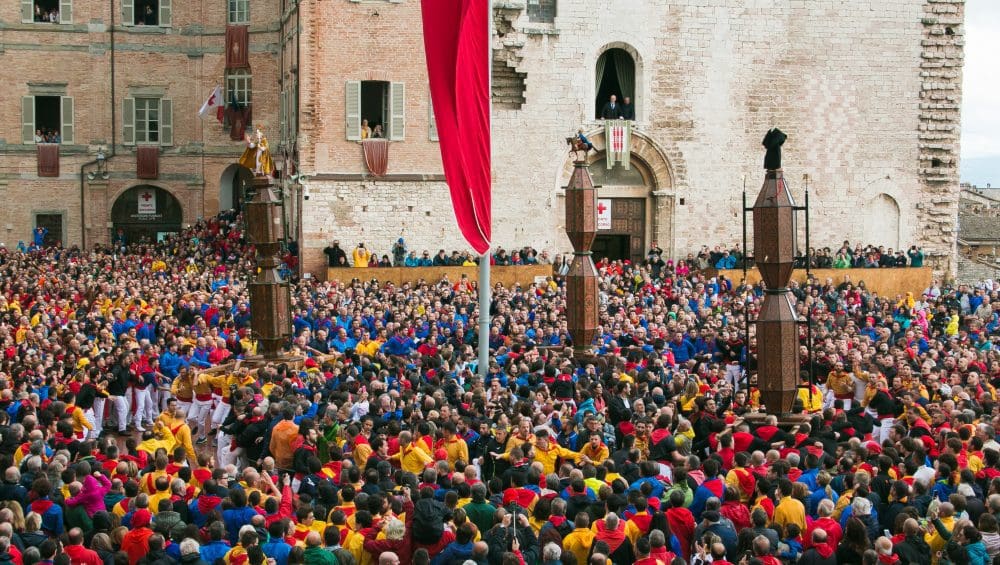
        Ogni anno, il 15 maggio, Gubbio si prepara alla Festa dei Ceri, un’antichissima quanto folkloristica tradizione popolare che trae le sue origini, quelle pagane, da antichi riti propiziatori che gli ikuvini (l’originario nome italico degli Eugubini) dedicavano alle divinità presenti nelle sette Tavole di Gubbio, in particolare la Dea Cerere e che oggi sono custodite nel Palazzo dei Consoli.
        Un’altra origine, prettamente cristiana, celebra il Patrono di Gubbio, Sant’Ubaldo a partire dal maggio del 1160, nella ricorrenza della sua morte.

        La Festa dei Ceri è una tradizione molto sentita dagli Eugubini e che racconta la storia di un popolo che trae dalle sue radici la forza d’essere: tra i protagonisti di questa festa ci sono i Ceraioli, coloro che portano il Cero e che li coinvolge anche come tradizione da tramandare di padre in figlio.

        I Ceri, custoditi nella Chiesa di Sant’Ubaldo durante l’anno, sono strutture in legno costruiti con la forma di prismi ottagonali che si sovrappongono. Al fine di rinforzare la struttura, all’interno del prisma di legno  vi è  un telaio composto da un asse e la parte che fuoriesce si chiama “timicchione”: quello posto in alto diventa il supporto per issare il Santo, mentre quello in basso chiamato “barella”, viene utilizzato dai Ceraioli per trasportarlo durante la corsa attraverso le vie della cittadina sino a raggiungere il Monte Igino, ove si trova la Basilica del Santo con le spoglie riposte nel 1194.
        I Santi che invece sono trasportati sui Ceri dai Ceraioli sono, oltre a Sant’Ubaldo, San Giorgio, Sant’Antonio, nell’ordine in cui sfilano. Se Sant’Ubaldo è il Patrono di Gubbio, San Giorgio è il protettore dei commercianti e Sant’Antonio dei contadini.

        Il percorso della Corsa dei Ceri, che parte dalla Chiesa dei Neri, è lungo circa 4 km e termina poi con una grande festa tra i vicoli caratteristici di Gubbio tra assaggi enogastronomici, spettacoli e musica.


        Insomma una vera e propria festa, sentita e amata dagli Eugubini quanto da tutto il popolo umbro e che richiama ogni anno tanti visitatori e turisti, curiosi di scoprire un’antica tradizione ricca di storia e peculiarità.

         Dal 1973 i Ceri sono finanche diventati il simbolo della Regione Umbra.

        SCOPRI GUBBIO CON IL GUBBIO EXPRESS

        Gubbio Express è il City Tour della Città di Gubbio, il miglior modo per iniziare comodamente la vostra visita. Un confortevole Trenino Turistico a basso impatto ambientale vi accompagnerà per le vie de ” La più bella Città Medievale”

        What to do in Umbria in May? UmbriaSì tells you

        Maggio è uno dei periodi migliori per visitare l’Umbria: la primavera è al suo culmine, le giornate sono lunghe e il clima è perfetto per esplorare.

        Ecco le nostre tre tips su cosa fare in Umbria in Maggio

        Scopri il trionfo della natura con passeggiate ed escursioni 

        In maggio, i paesaggi umbri esplodono di colori e profumi. Approfitta delle temperature miti per esplorare i Monti Sibillini o il Parco del Monte Subasio con sentieri perfetti per trekking e passeggiate panoramiche. Un’altra esperienza unica è una visita al Lago Trasimeno, dove potrai fare un giro in barca verso le sue isole o rilassarti con una passeggiata sulle rive fiorite. Per chi ama i fiori, i prati e le colline sono un tripudio di bellezza naturale che invita a fermarsi per un picnic. Da non perdere una bella passeggiata insieme agli alpaca.

        Immergiti nelle tradizioni locali: le Infiorate e le feste di maggio 

        Maggio in Umbria è anche un mese ricco di tradizioni e feste. Non perdere le Infiorate di Spello, dove le strade si trasformano in opere d’arte fatte di petali colorati, un evento unico che celebra la primavera con creatività e fede. Anche i borghi umbri, come Gubbio con la Festa dei Ceri, offrono manifestazioni che uniscono storia e folclore in un’atmosfera vibrante e autentica.

        Assapora la primavera con esperienze enogastronomiche

        Maggio è perfetto per degustare i sapori autentici dell’Umbria in contesti incantevoli. Partecipa a un pranzo all’aperto in un agriturismo immerso nel verde, dove potrai gustare piatti primaverili come la crescia umbra e gli asparagi selvatici. Abbina il tutto con un calice di vino bianco fresco, magari un Grechetto prodotto nelle cantine di Torgiano o Montefalco. Per una giornata diversa, visita i frantoi aperti o i mercati agricoli, dove potrai acquistare prodotti freschi e artigianali.

        💚 Ti Aspettiamo in Umbria 💚