WTE ASSISI 2026
WTE ASSISI 2026
Starting from Euro 70.00 per person
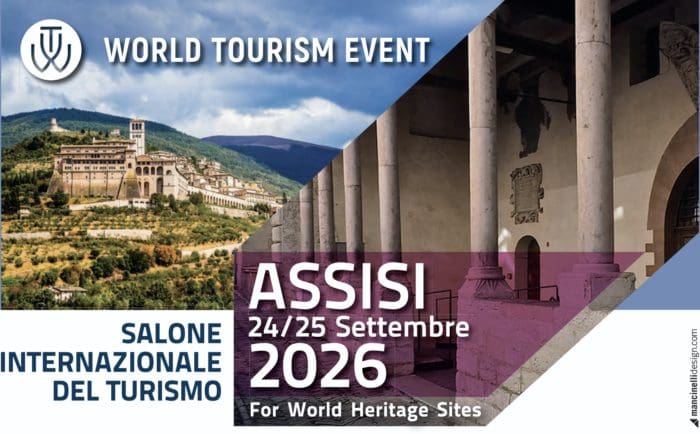
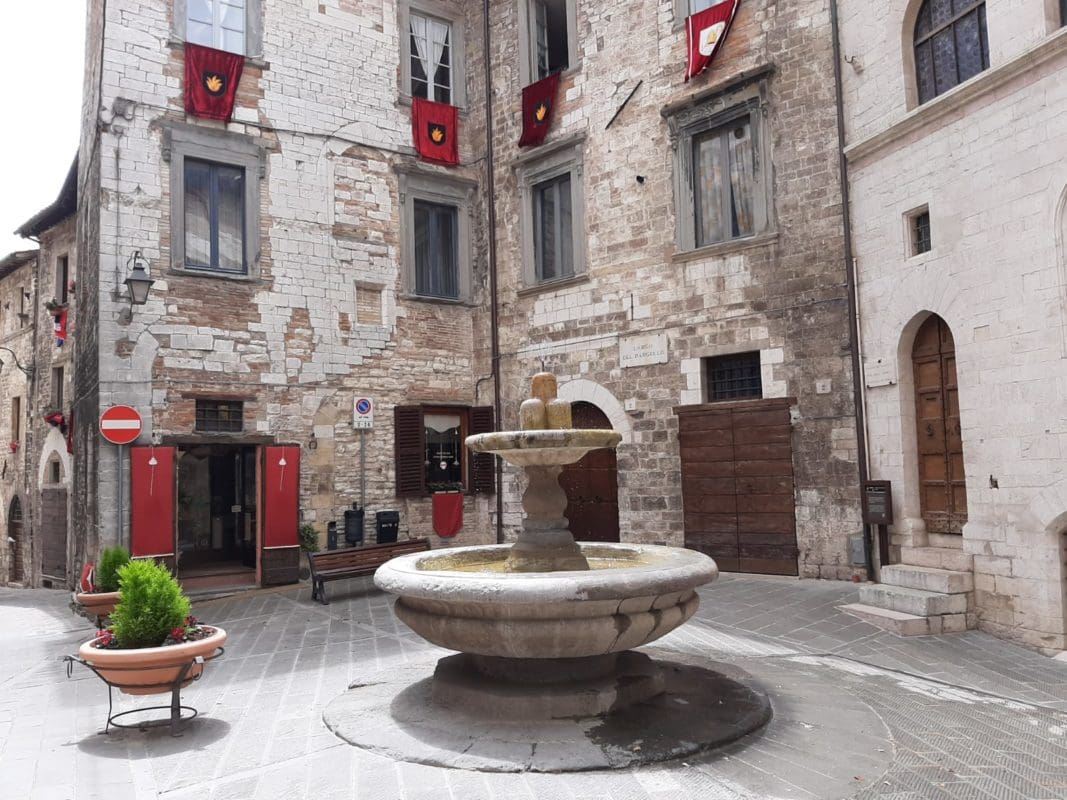
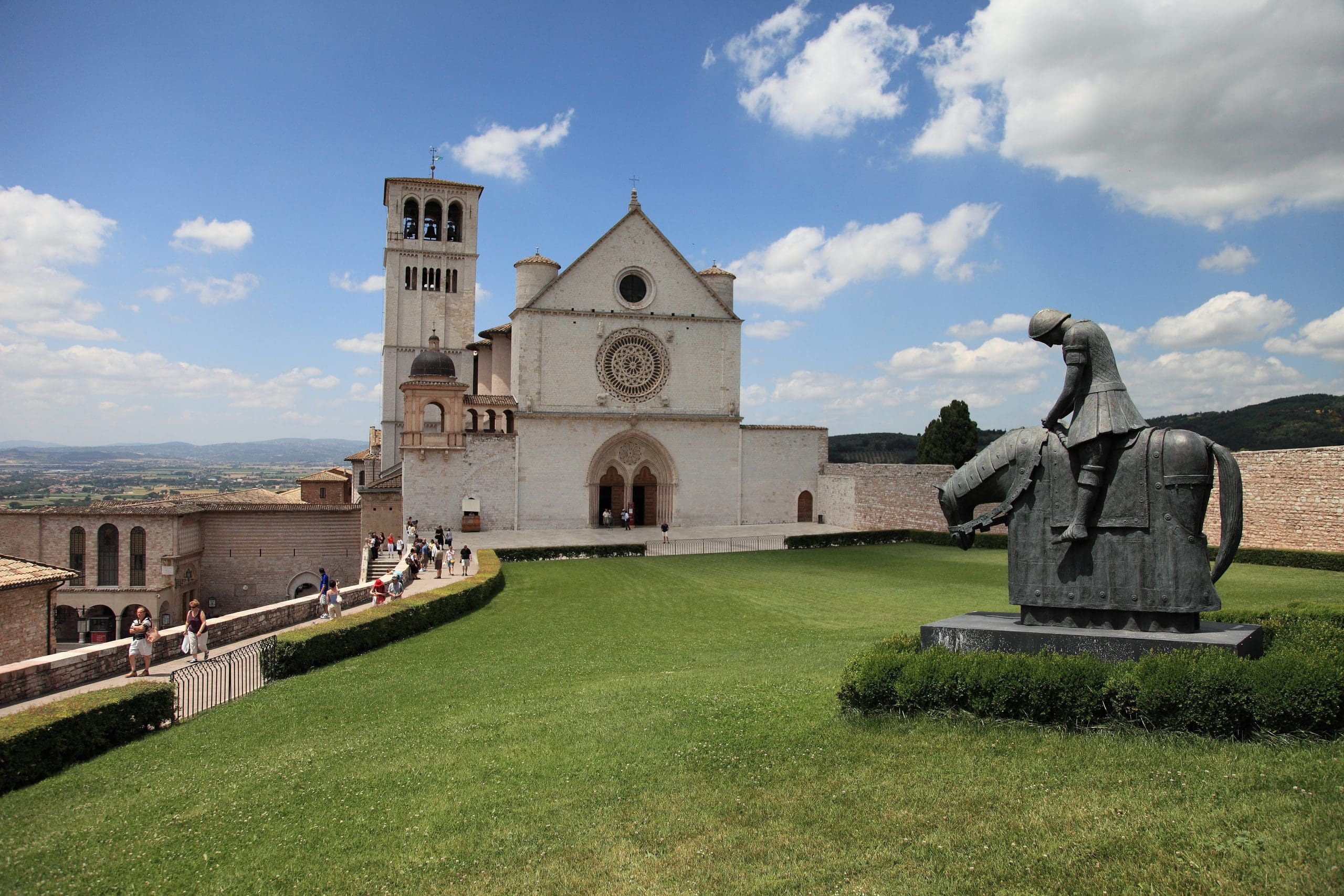
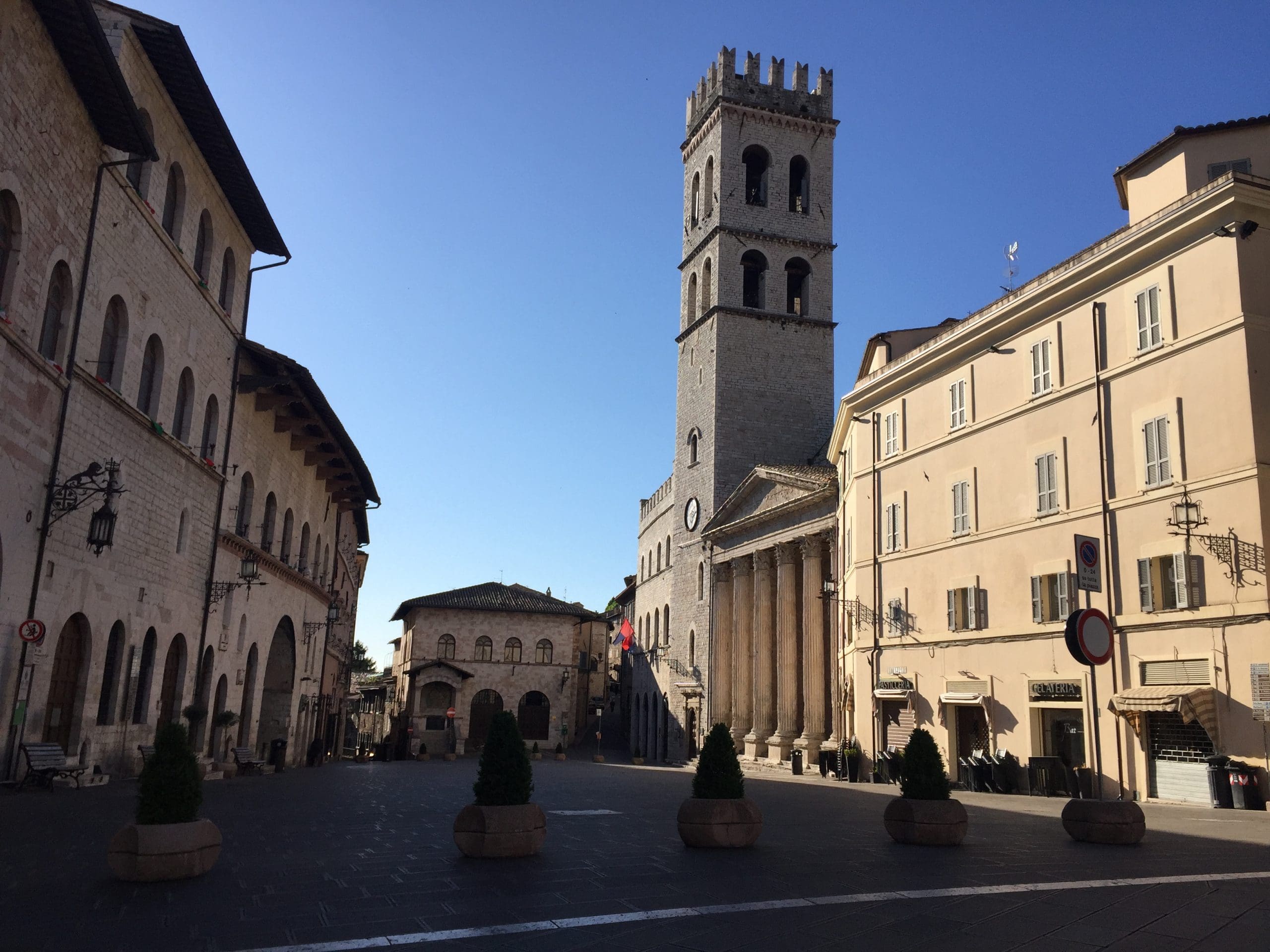
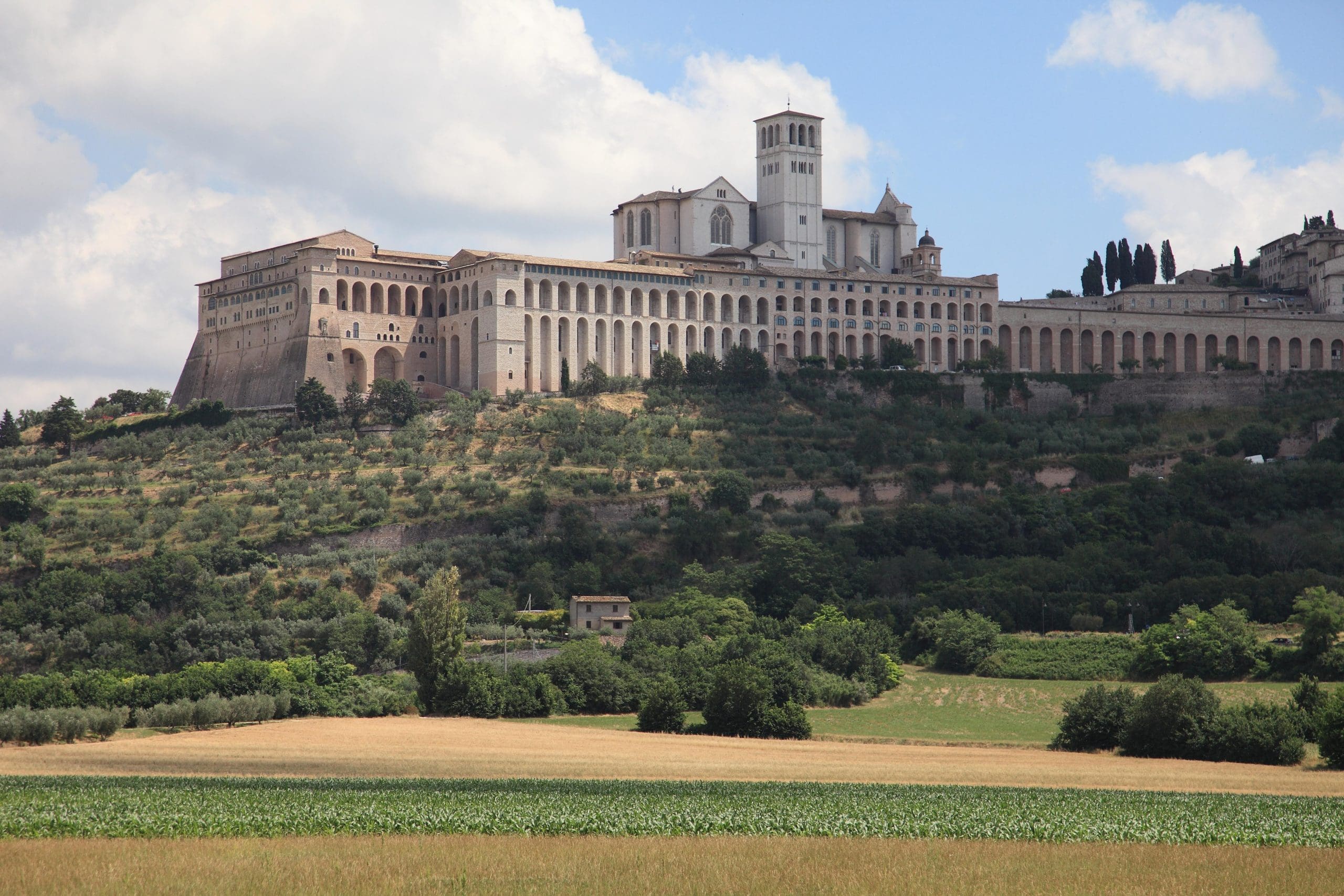
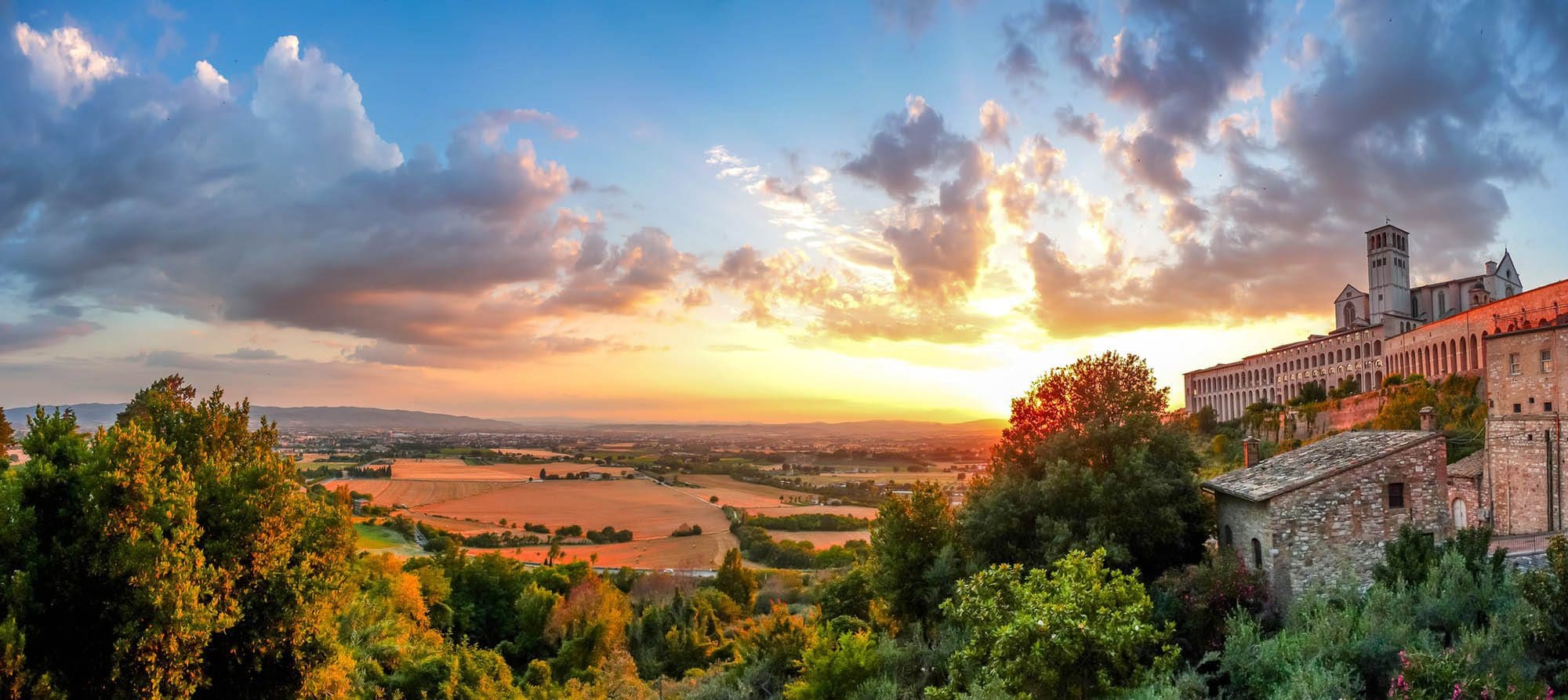
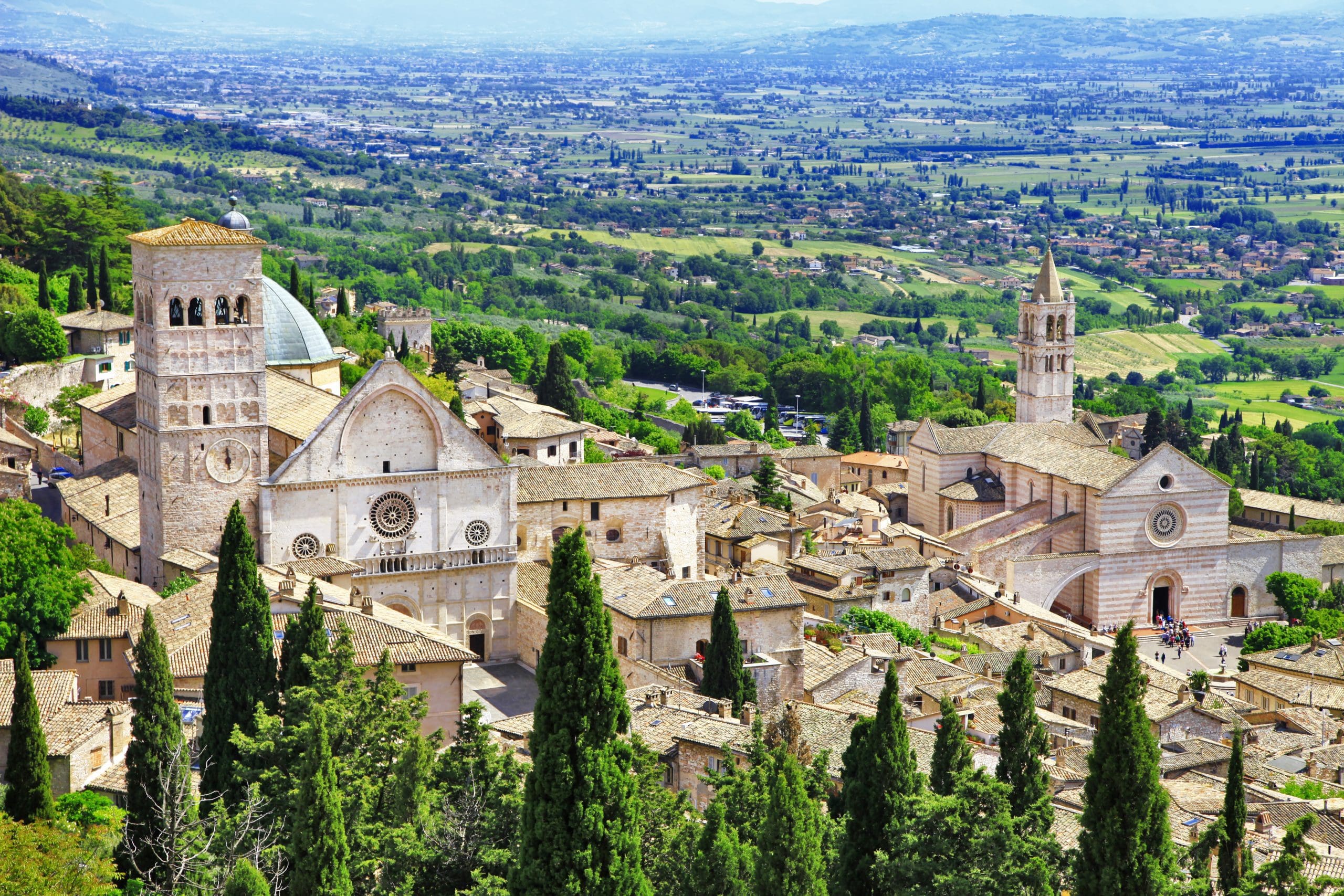
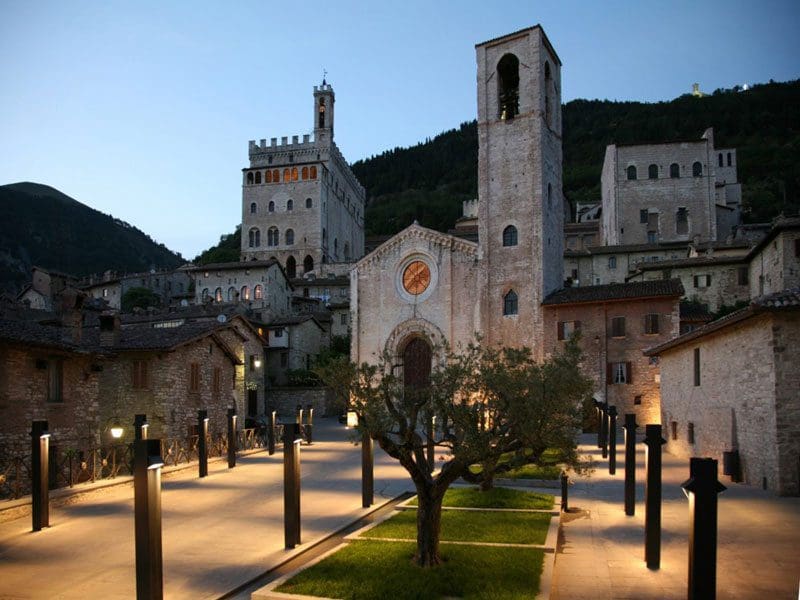
From September 24 to 25, 2026, the seventeenth edition of the event dedicated to the enhancement and promotion of UNESCO World Heritage sites will be held in Assisi.
For the occasion, UmbriaSì has selected accommodations for you, to assist you in your search for accommodation.
Our best offer starts from €70.00 per person
The price per person includes:
- 1 night’s accommodation in a double/twin room with breakfast
- Europ Assistance insurance (travel assistance, cancellation insurance, medical assistance)
The price does not include:
- Extras, tips, and offers
- Transportation
- Tourist tax to be paid on site
- Anything not expressly indicated under “The price includes”
Gallery
Fill in and receive information

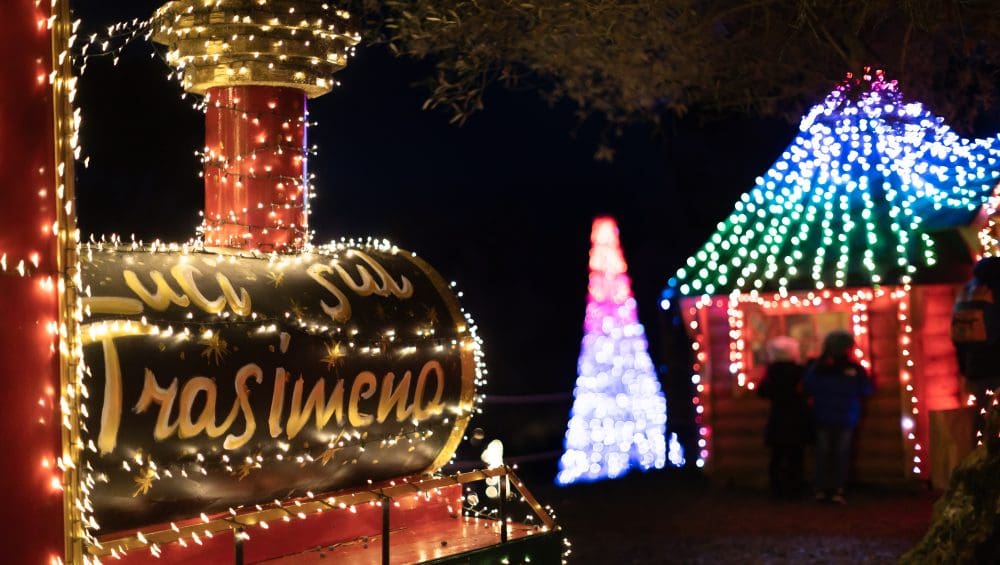
Luci sul Trasimeno: The magic of Christmas illuminating the lake.
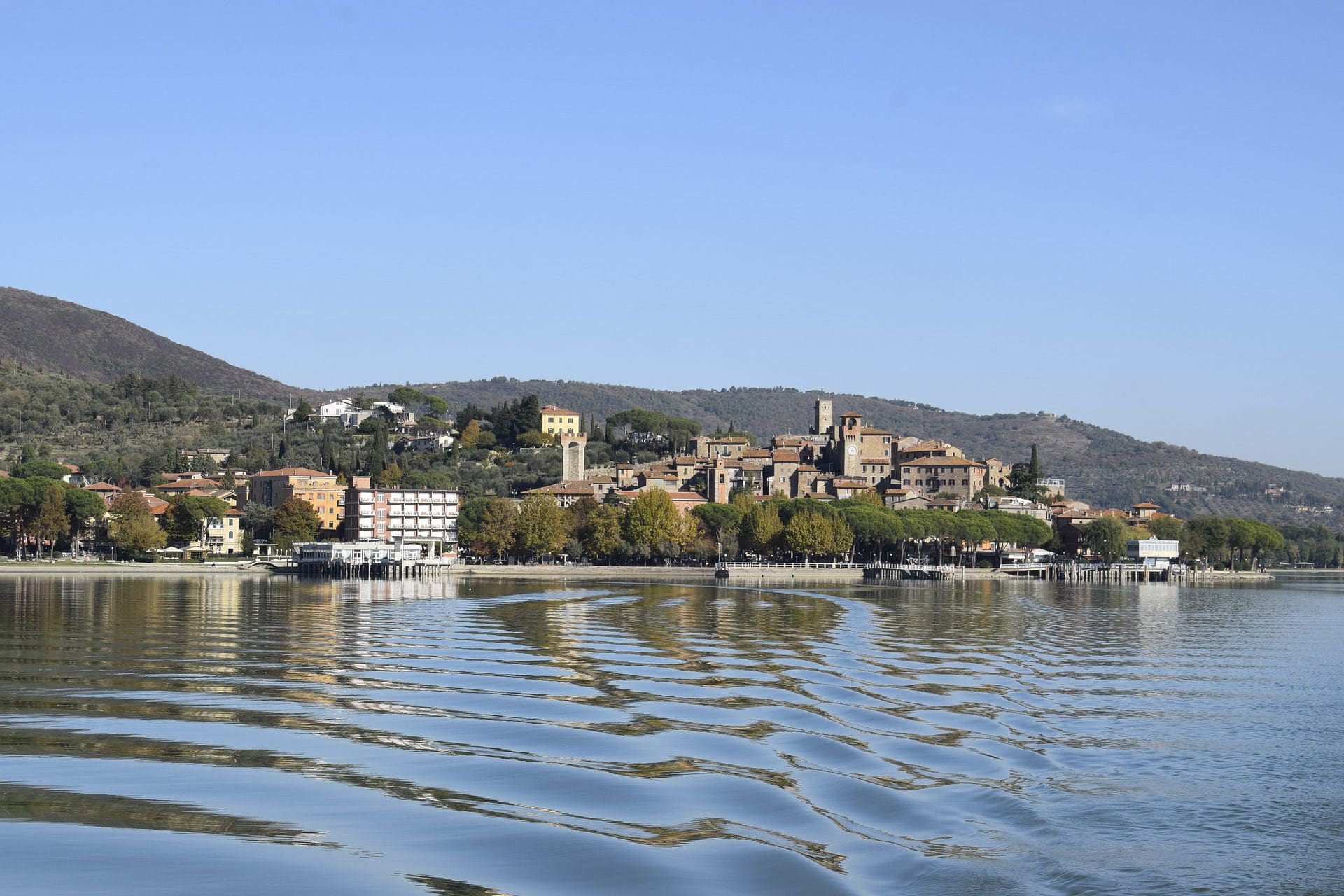
Every year, Lake Trasimeno is bathed in magic thanks to Luci sul Trasimeno, one of Italy’s most evocative Christmas events.
An experience that combines luminous displays, local tradition, artistic installations, and the unique thrill of seeing the iconic Christmas Tree on the water, which has become a symbol of the Umbrian holidays.
A one-of-a-kind tree
Set right on the lake, the Luci sul Trasimeno Christmas Tree is a spectacular light installation that attracts thousands of visitors every year.
The reflection of the lights on the water, the surrounding mountains, and the festive atmosphere create a picture-perfect setting, perfect for those seeking a truly special moment to enjoy as a couple, with family, or with friends.
A journey through lights, art, and traditions
The event isn’t limited to the tree: along the lakeside and in the historic center of Passignano, a veritable trail of lights unfolds, with artistic installations, projections, displays of color, and panoramic viewpoints designed to immerse visitors in the Christmas spirit.
The route is enriched by:
- artisanal and themed nativity scenes
- Christmas markets
- children’s shows and activities
- traveling performances
- tastings of typical products
A perfect way to get to know the area, its traditions, and its authentic hospitality.
The Charm of Trasimeno in Winter
Lake Trasimeno, with its villages overlooking the water and its slow pace, becomes an even more poetic destination in winter. The crisp air, tranquil views, and silence of the lake create a unique atmosphere, enhanced by the lights that warm the landscape.
An experience to live
Luci sul Trasimeno is the ideal choice for those seeking:
- an enchanting, different Christmas trip
- a romantic weekend in one of the most charming corners of Umbria
- an experience to share with the children, full of magic and wonder
- an opportunity to discover the local villages, flavors, and traditions
Whether you want to visit the tree on the water, stroll among the lights, or treat yourself to a dinner overlooking the lake, this event will amaze you.

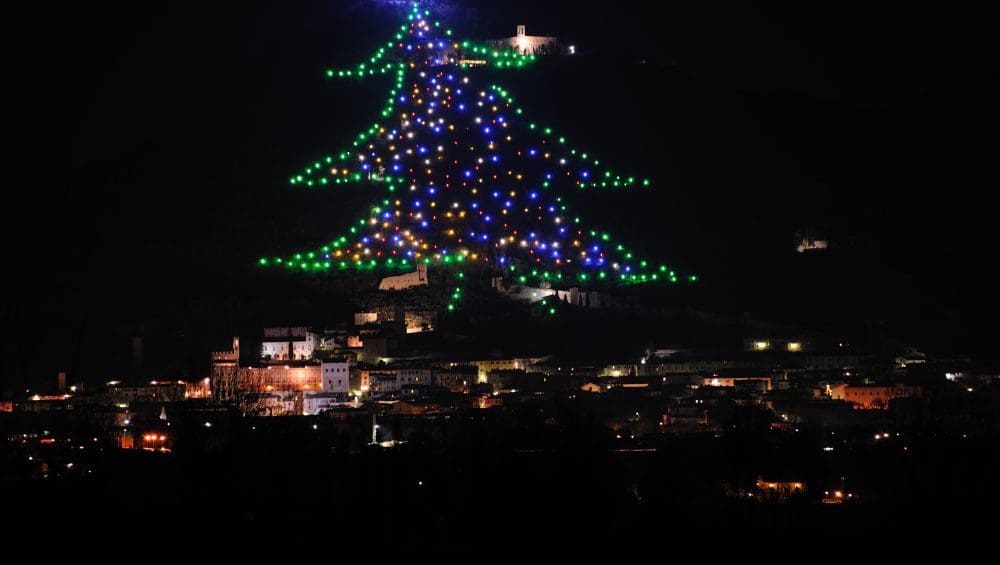
The Largest Tree in the World in Gubbio
Officially, the date of birth of the project and the construction of the tree that lies on the gentle slopes of Monte Igino in Gubbio dates back to 1891, receiving in 1991 the Guinness Book of Records as the largest Christmas tree in the world.
Today, as per the thirty-year tradition, the largest tree in the world of Gubbio is lit at the beginning of December and turned off on the second Sunday of January.
It is certainly among the most impactful Christmas attractions not only for Umbria, arriving to welcome visitors who flock to admire the largest tree in the world from all over Italy and abroad.
Located along the slopes of Monte Igino, it is made up of about 800 lights powered by renewable sources and therefore not only a project with a great tourist impact but also an eco-sustainable one.
The Tree of Gubbio is 450 meters wide and 750 high and measures 13,000 square meters, reaching the Basilica of Sant’Ubaldo on the top of the mountain.
Gubbio’s Christmas
The Committee which since 1992 (the year of its legal foundation) has been involved in the creation of the Tree and in a certain sense also in the tourist promotion of the city of Gubbio at Christmas, is dedicated, and takes its name, to Mario Santini, the creator of the project. Every year the Tree is lit by important personalities such as that of Pope Francis but also by important “places” such as in 2017 lit by Paolo Nespoli directly from the Space.
Gubbio and the Magic of Christmas can be accessed not only with the lights of the largest tree in the world, with its charm, its majesty, attracting the curiosity of the little ones and the wonder of the grown-ups, but it is adorned with the Christmas atmosphere also thanks to the Christmas Land initiative with markets, the tour on Santa’s train, Santa’s Village and many themed initiatives.

Umbrian Christmas Recipes
Christmas Flavor in Umbria: A Culinary Journey through Typical Recipes
Christmas is a magical celebration, and what better way to celebrate it than immersing oneself in the culinary traditions of a region rich in history and authenticity? In Umbria, the Christmas table is a true spectacle of flavors, with dishes that reflect generosity and love for local traditions. In this article, we will explore some of the typical Christmas recipes in Umbria, offering a taste of the gastronomic heritage that makes this region unique.
The typical family Christmas menu in Umbria.
Appetizers:
Chicken Liver Crostini
A simple recipe, typical of the peasant tradition in this region, widely spread and appreciated throughout Central Italy. Chicken liver pâté crostini are always present on the table, especially during the holiday season. It is an appetizer with a very distinctive flavor, slightly tangy and quite savory. The pâté is made with chicken livers and is excellent when paired with Umbrian rustic bread – known for being low in salt – lightly toasted. The warm and fragrant crostini served with this flavorful sauce pairs well with a good glass of local red wine.
Chicken Galantine
An Umbrian dish considered a classic of Christmas lunch in the regional tradition. It seems that it was usually the housewives who cooked it in exchange for money or, more often, according to simple barter rules, for other essential products. It can be reasonably assumed that not only did every town, fortress, or village exhibit its own galantine recipe, claiming it to be the best, but every woman or man who ventured into the task had their own personal interpretation. This stuffed chicken terrine is both majestic, intimidating, and instructive. We could consider it a kind of relic of “synthetic” cuisine, as it puts everything (literally everything) together. It’s also a bit like a Chinese puzzle box, as each element is skillfully fitted inside the other. It starts with the chicken, deboned and gutted. The outer layer is filled with meat (chicken, beef, salted tongue, ground pork), eggs, mortadella (but also ham and lard), pistachios, cream, truffles. The resulting food chimera is secured with sturdy strings (twine), cooked in broth, and, once cooled, served in slices with chicken jelly.
First Course:
Cappelletti in Broth
Homemade cappelletti are a must during the Christmas holidays in Umbria. These small ravioli filled with beef and pork are cooked and served in a rich broth, providing warmth and comfort to diners during the cold winter days.
Second Course:
Stewed Capon
It is a castrated rooster cooked slowly in a rich sauce based on red wine and aromas such as rosemary and bay leaves. The capon is marinated with garlic, white wine, and herbs before cooking. Often accompanied by side dishes like mashed potatoes, Stewed Capon represents Umbrian culinary tradition, offering a tasty dish symbolizing conviviality.
Desserts:
Panpepato
Panpepato is one of the most beloved Christmas delicacies in Umbria. A mixture of nuts, almonds, candied fruit, honey, chocolate, and a myriad of spices, this sweet recalls the Sienese panforte but with a unique Umbrian touch. It is a true explosion of Christmas flavors that delights the senses.
Torciglione
Among the typical Umbrian Christmas sweets, there is one with a very particular shape: torciglione. Its origins are still uncertain: some claim that its shape resembles a lake eel, others that of a snake. Regardless of its history, it is a famous sweet throughout the region, with various versions that can vary in dosage or the presence of certain ingredients, but especially in the final decorations, leaving ample space for creativity.
Rocciata
A traditional sweet during the winter holiday period (from early November to Carnival), mainly prepared at Christmas, roc- ciata is a typical recipe of Foligno, Assisi, and Spello. Its spiral shape resembles that of a snake coiled upon itself, and its red color is given by alchermes. Inside the dough, a rich filling of cooked apples with walnuts, almonds, pine nuts, dried figs, raisins, and chocolate. Naturally, there are variations based on the area and family traditions, which usually remain secret!
Pinoccata
Traditional Christmas sweets in Perugia, pinoccate are packaged in colorful and festive papers that brighten shop windows, gift baskets, and tables. It seems that these sweets were in use among Benedictine monks since the 14th century and were still consumed at the end of lavish Christmas lunches in the late 18th century.
Almost exclusive to the Umbrian capital, this sweet owes its name, known in variations such as pinoccati, pinocchiati, pinoccate, and pinocchiate, to pine nuts, formerly more frequently called pinocchi, which constitute its main ingredient and give it an unusual and spicy taste. It consists of a mixture composed only of water and sugar boiled until obtaining a thick syrup, in which a quantity of pine nuts almost equivalent to that of sugar is immersed. On half of the dough, from which many small diamonds will then be drawn, cocoa is added, useful to dampen the excessive sweet taste and also to diversify these products, then wrapped in pairs: one white and the other black.
The contrast between the two colors seems to evoke medieval decorative taste when very distant colors were approached, a taste found in architecture, decorative arts, but also in coats of arms, shields, banners, and banners (not to mention games – from checkers to chess – and city factions like whites and blacks). The packaging with which the sweet is presented seems to refer to the same medieval and Renaissance world: wrapped in paper as if it were a large candy, it is similar to those “throwing sweets” that were actually thrown during mock battles between knights and in tournaments of the feasts of those distant times.
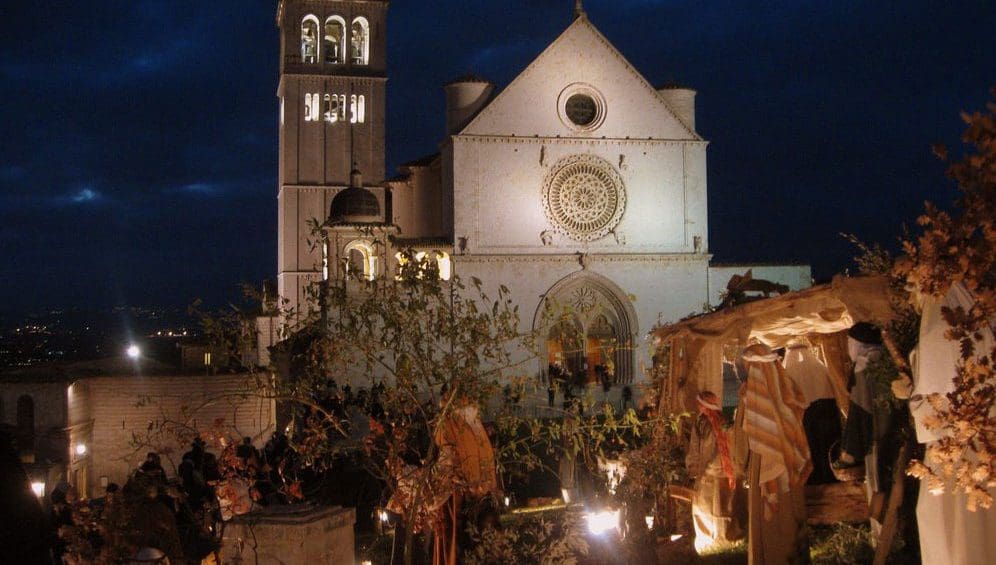
The Story of the Nativity Scene of Saint Francis
Umbria is a land of ancient traditions and deep spirituality. In today’s Christmas-flavored article, we will delve into one of the most significant traditions: the Nativity Scene of Saint Francis of Assisi. This sacred representation is a testament to Umbria’s cultural and religious heritage, an icon of faith and devotion that attracts visitors from around the world.
The Birth of the Nativity Scene of Saint Francis The Nativity Scene of Saint Francis has ancient roots dating back to the 13th century. The story goes that in 1223, Saint Francis of Assisi, the Patron Saint of Italy and founder of the Franciscan order, created the first living representation of the Nativity Scene in the Umbrian town of Greccio. This year marks the eight hundredth anniversary of the first representation. The Nativity Scene was a true gift to the birth of Jesus Christ, and Saint Francis thus initiated a tradition that has lasted for centuries throughout Italy and beyond.
The representation of the Nativity Scene in Greccio was conceived by Saint Francis as a humble cave, with a worn-out manger, and at its center, the Saint with his prayers, hymns to life, holy songs, and his profound devotion. It is in this atmosphere that the Baby Jesus makes His presence known.
Today, as in the past, the Nativity Scene is not just an artistic representation but also a powerful spiritual symbol. It embodies humility, simplicity, and the love that Saint Francis had for the child Jesus. This tradition encapsulates the essence of the Christian faith and the importance of reflecting on the true values of Christmas: love, compassion, and sharing.
The Magic of the Umbrian Nativity Scene Every year, during the Christmas season, the small villages and cities of Umbria come alive with the magic of the Nativity Scene of Saint Francis. Streets are filled with sparkling lights, Christmas music, and the air is filled with the scent of roasted chestnuts and mulled wine. Citizens passionately dedicate themselves to creating intricate and detailed scenarios depicting the nativity. Houses, streets, and squares are transformed into real living paintings, capturing the attention and admiration of residents and tourists.
The Umbrian Nativity Scene stands out for its authenticity and attention to detail, capturing the essence of daily life at the time. The figurines, skillfully crafted by local artisans, are often handmade and painted with vibrant colors, lending the Nativity Scene a touching realism.
Visiting Umbria During the Christmas Season For anyone wanting to live this unique experience, visiting Umbria during the Christmas season is an unforgettable adventure. In addition to contemplating the wonderful Nativity Scenes of Saint Francis and the living nativities in various historical and medieval villages, there are scattered Santa Claus Markets in picturesque locations such as Perugia’s Rocca Paolina, or the world’s largest Christmas tree in Gubbio or the world’s largest Christmas tree on the water of Lake Trasimeno.
Don’t miss these fantastic events; we look forward to welcoming you for your Christmas in Umbria!

What to do in Umbria in December? UmbriaSì tells you
December is a magical month in Umbria, when the landscape transforms into an enchanting winter scene.
We would love to guide you through a unique journey in this fascinating region, offering you an unforgettable experience during the festive season.
Discover with us what to do in Umbria in December and let yourself be enchanted by this unique destination.
Christmas Markets
Get into the festive atmosphere by exploring the Christmas markets of Perugia and Assisi, Gubbio, Spoleto, Orvieto, Terni
The squares are filled with twinkling lights, colorful stalls and the delicious smell of local specialties. It’s the perfect opportunity to buy unique gifts and taste Umbrian delicacies.
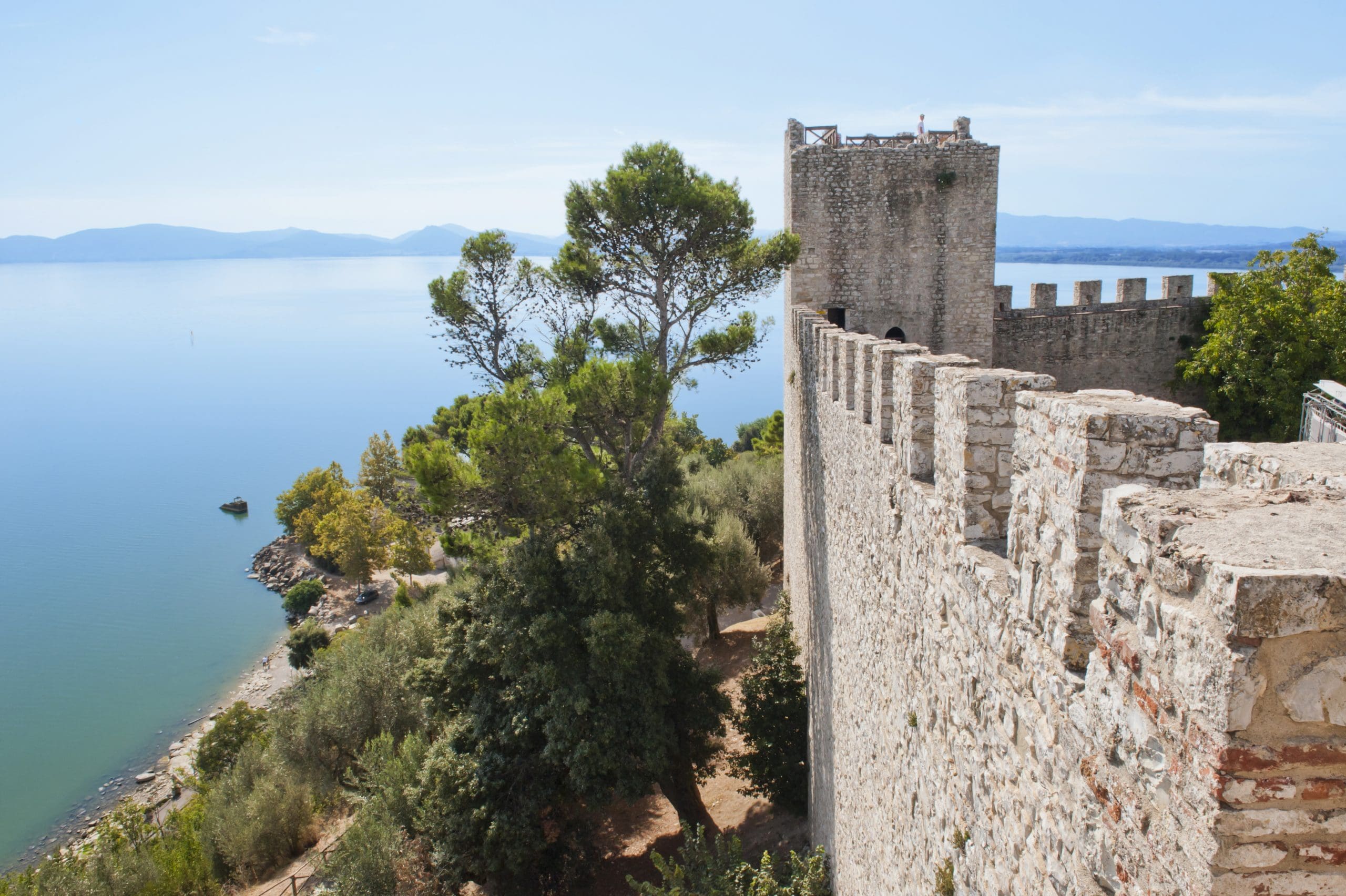
The world’s largest Christmas tree on the water on Lake Trasimeno
The Christmas tree on Lake Trasimeno is a magical tradition that lights up the shores of the lake in December. The tree displays twinkling lights, creating an enchanting spectacle reflected on the water. The lighting ceremony, usually accompanied by festive events, attracts visitors and residents, creating a unique Christmas atmosphere on the shores of this picturesque Umbrian lake. An unmissable experience to immerse yourself in the magic of the holidays in a suggestive context.
The largest tree in the world in Gubbio
It is certainly one of the most impactful Christmas attractions not only for Umbria, welcoming visitors who flock to admire the largest tree in the world from all over Italy and abroad.
Located along the slopes of Mount Igino, it is made up of around 800 lights powered by renewable sources and therefore not only a project with a great tourist impact but also eco-sustainable.
Living Nativity Scenes: Tradition and Authenticity
Umbria is a land of ancient traditions and deep spirituality. With today’s Christmas-themed article, we will immerse ourselves in one of the most significant traditions: the Nativity Scene of St. Francis of Assisi.
This sacred representation is a testimony to Umbria’s cultural and religious heritage, an icon of faith and devotion that attracts visitors from all over the world.
Umbria in December offers a unique experience that blends the magic of the holidays with the beauty of nature and tradition. Trust us to organize your trip, ensuring a complete immersion in the culture, gastronomy and scenic wonders of this fascinating Italian region.
Make your December unforgettable with a trip to Umbria.
We are waiting for you in Umbria 
On the Path of Ceramics
Starting from Euro 195,00 per person
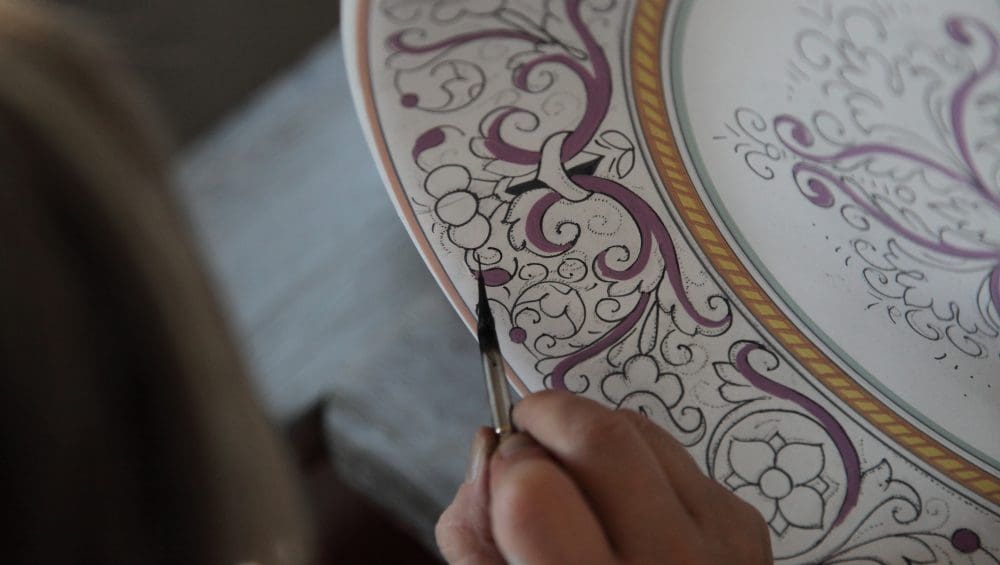
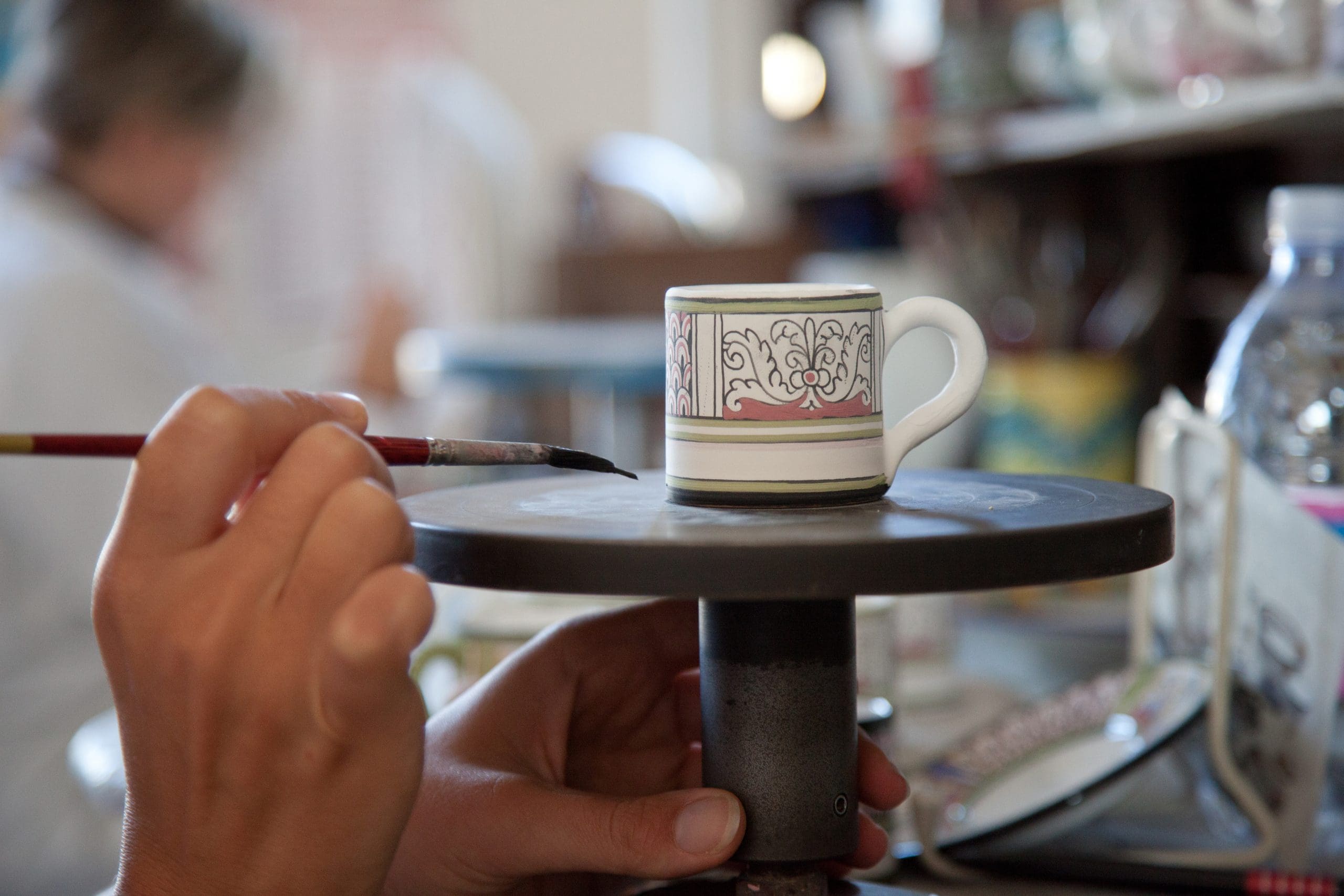
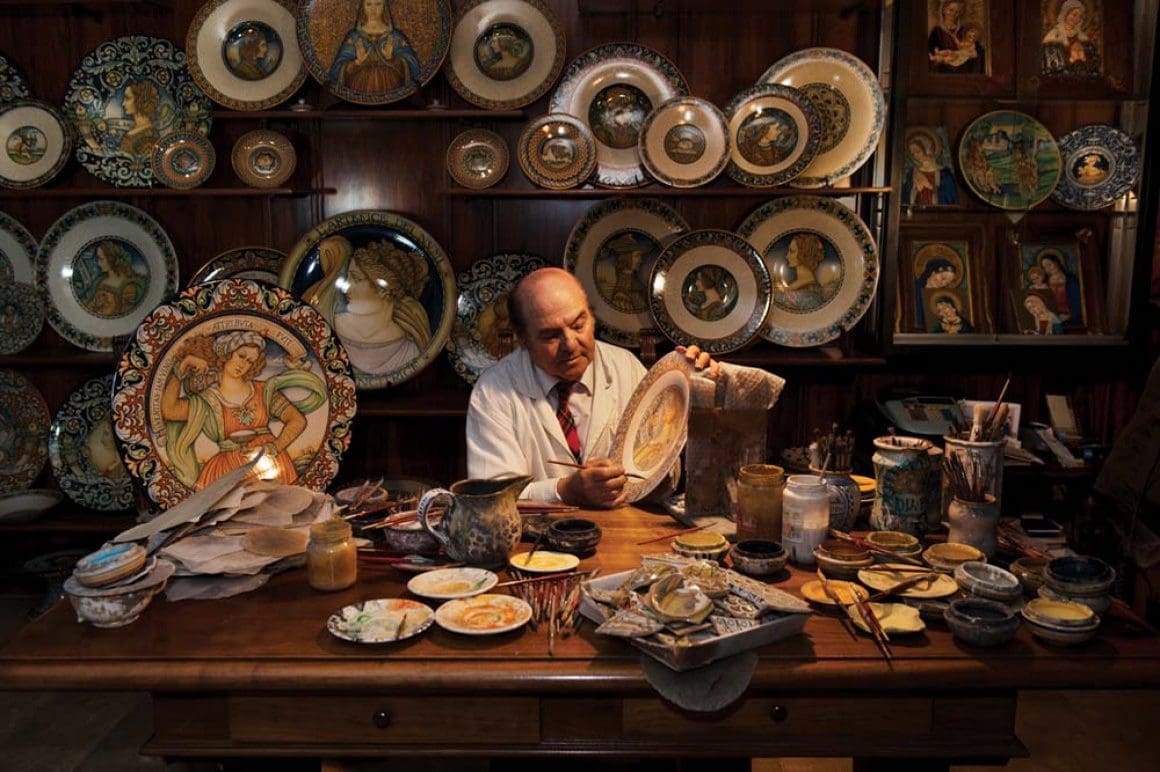
If during your travels and holidays in Umbria you are not satisfied with seeing but want to deepen, understand and know, you can let yourself be fascinated by the mastery of skilled craftsmen who have handed down precious knowledge in their workshops for generations by working the ceramic.
1st day
Arrival in the early afternoon. Deruta, the city par excellence of artistic majolica, among the most appreciated and known in the world. The “Raphaelesque” decoration characterizes all the production: they are fast interweaving of leaves, birds and other animals with Moorish motifs, and the prevailing colors of this type of ceramic are intense cobalt blue and yellow on white enamel which embellishes the whole. Particularly in the former convent of San Francesco, it is worth visiting the Regional Museum of Ceramics, which documents centuries of this activity.
Followed by a visit to an artisan workshop.
Accommodation in the structure and overnight.
2nd day
After breakfast moving to Gubbio.
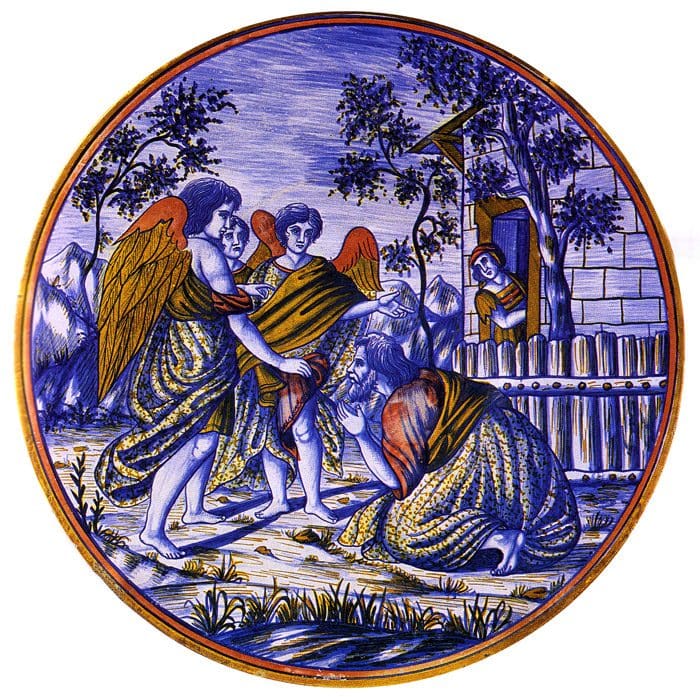
The fame of Gubbio ceramics is linked to the name of Mastro Giorgio, whose original majolica with ruby and pale gold reflections are still today the object of study by artists from all over the world. This type of processing is accompanied by the processing of the famous black and shiny vases called buccheri, which repeat the shapes and friezes of the very ancient original Etruscan models.
Sightseeing tour with the Gubbio Express.
Free lunch
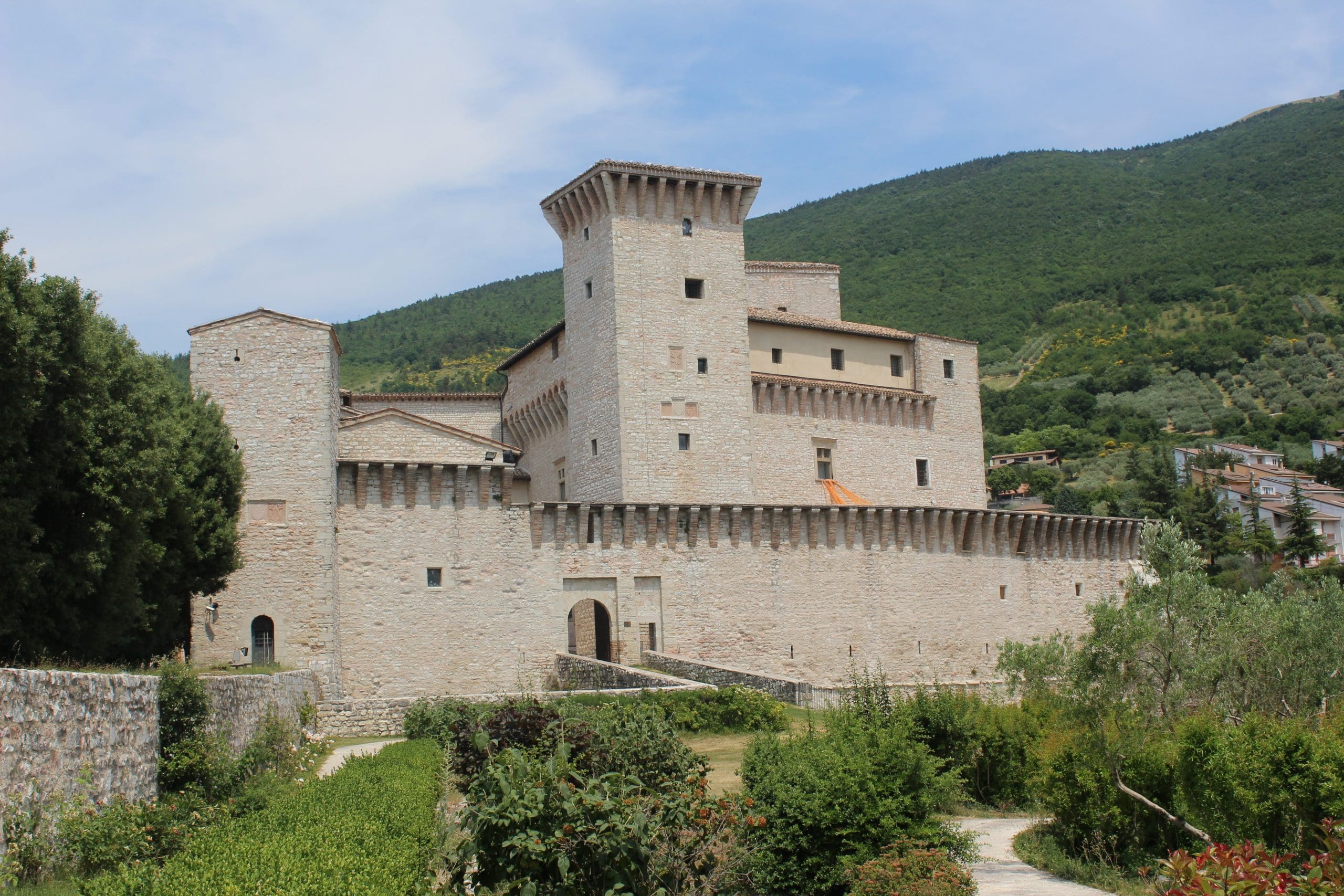
In the afternoon we move to Gualdo Tadino, a place where the production of ceramics had already started in the distant fourteenth century and which saw a rediscovery at the end of the nineteenth century by Paolo Rubboli of the ruby gold luster, according to the Arab formula described by Cipriano Piccolpasso, a renewed artistic season opens for Gualdo ceramics. Entrance to Rocca Flea
Overnight.
3rd day
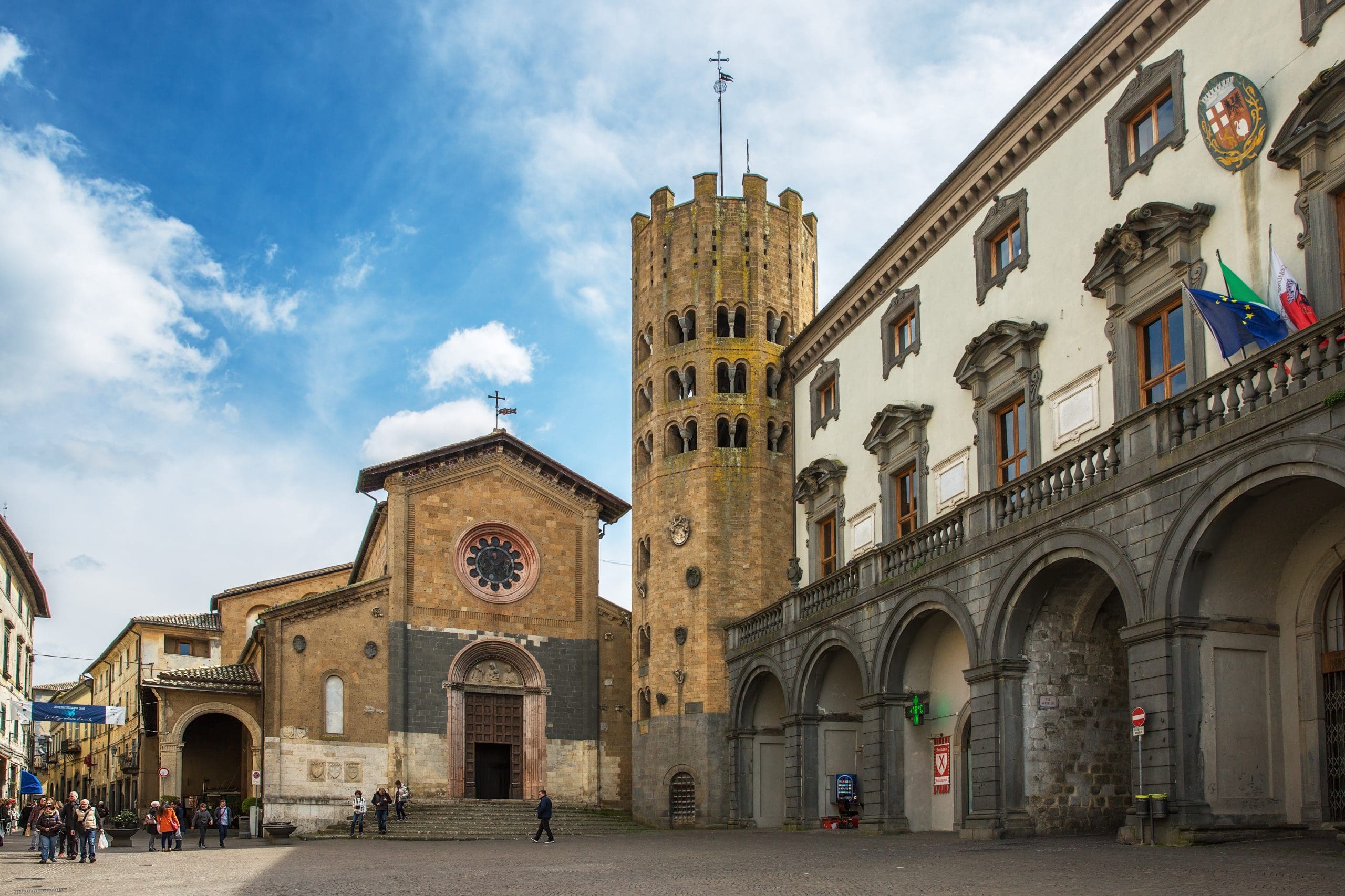
After breakfast, the journey to Orvieto ends. Over the centuries, traces of the ancient activity had been lost, until the beginning of the twentieth century, when the rediscovery of finds dating back to the Middle Ages reawakened the impulse to a rich and flourishing production. Orvieto Carta Unica will be made available for visiting the main monuments.
Our best offer is starting from € 195,00 per person
The fee is per person and includes:
- 2 nights in a double/twin room with breakfast
- Admission to the Regional Museum of Ceramics
- Visit to an artisan workshop in Deruta
- Sightseeing tour with the Gubbio Express
- Entrance to Rocca Flea
- Orvieto Carta Unica
- Europ Assistance insurance
The fee does not include:
- Extras, tips and offers
- Means of transport
- City tax where introduced by the Municipality of reference
- Anything not expressly indicated in “the rate includes”
Ask for information
Gallery

Umbria a heart of chocolate
Starting from Euro 325,00 per person
Day 1
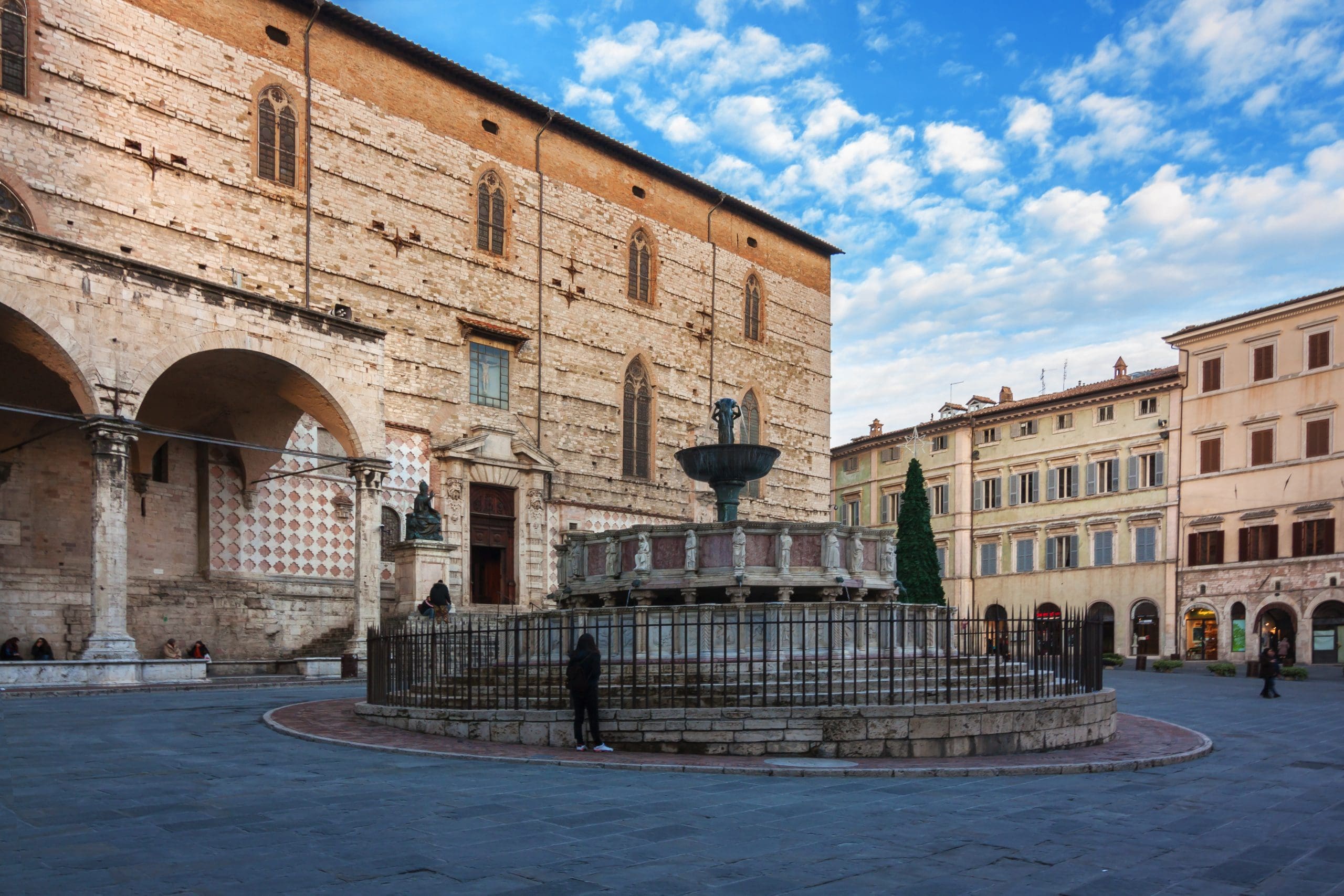
Arrival in Perugia made famous throughout the world by Perugina and its excellent chocolate.
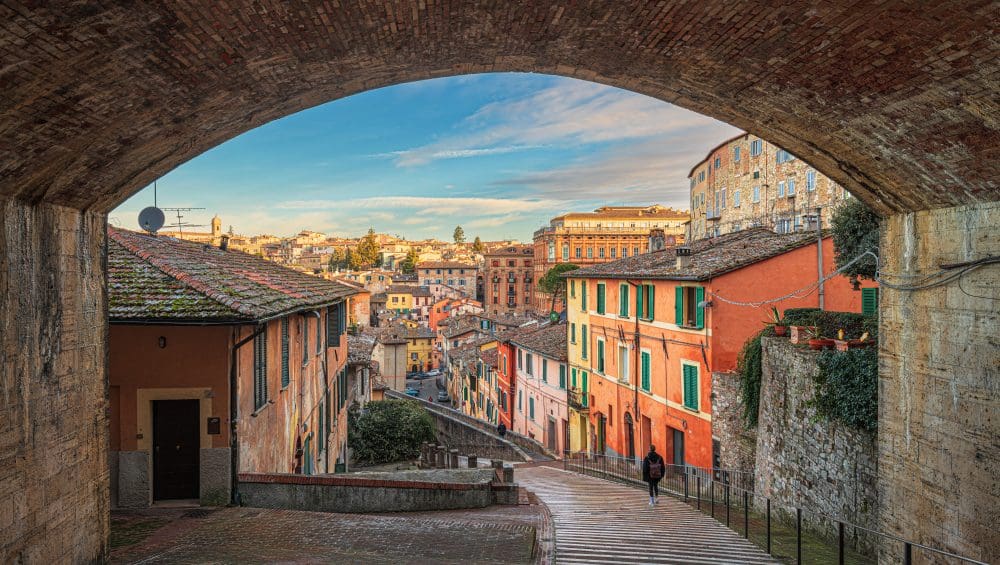
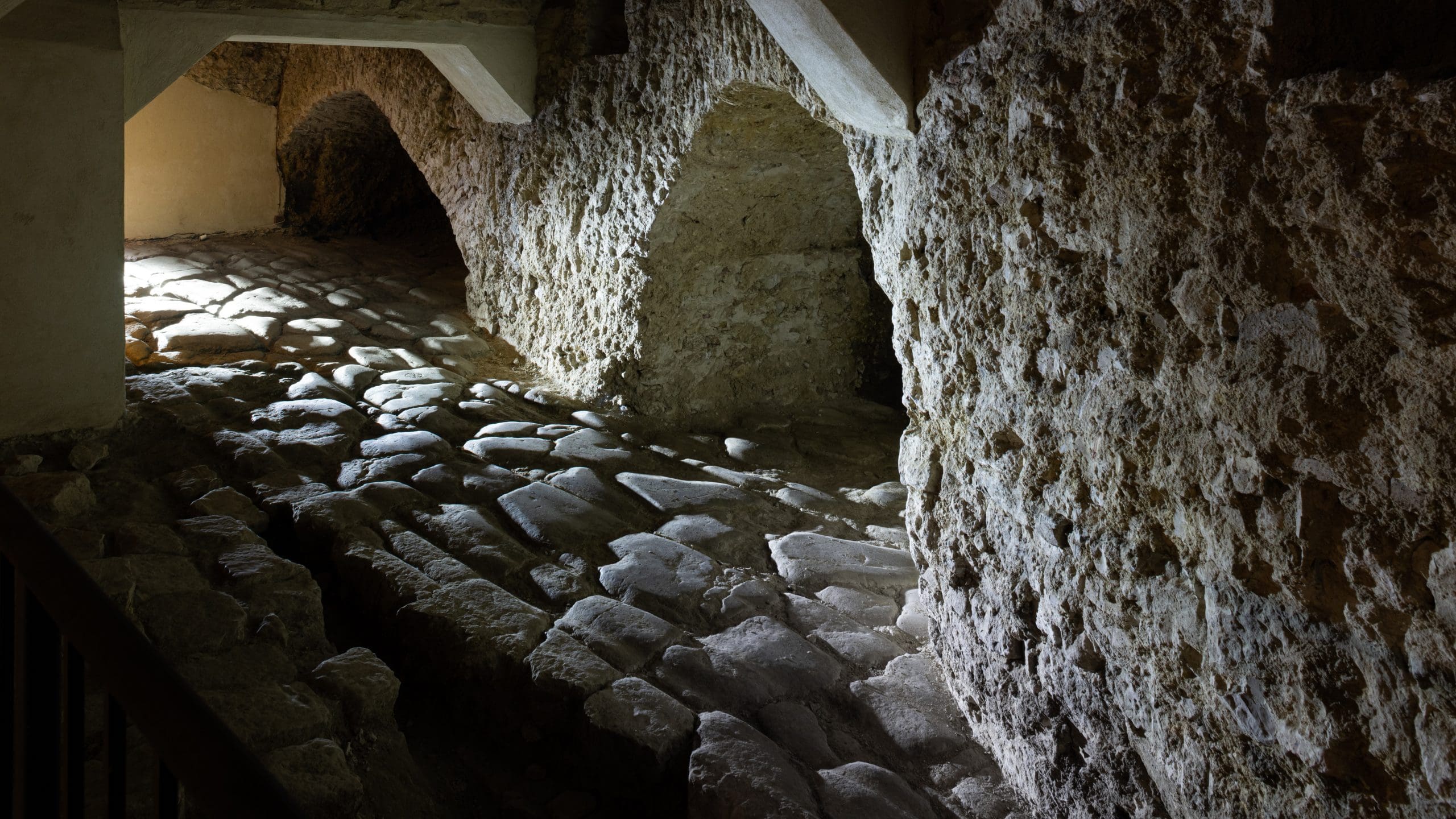
In the afternoon, the walk in the historic center includes entry to Perugia Sotterranea, a real leap back in time under the cathedral of San Lorenzo.
Before going to the structure, a pleasant stop in a chocolate shop in the historic center for a tasting.
Accommodation in a structure for the overnight stay
2nd Day
After breakfast we move towards our Lake Trasimeno that seen from space the astronaut Parmitano said “It looks like a heart”. Walk to Passignano sul Trasimeno, a small tourist pearl of the lake, where it will be possible to take the ferry to reach Isola Maggiore, the only inhabited island, with a small museum circuit.
Lunch in Isola Maggiore
Free dinner and overnight stay
3rd Day
After breakfast, on the way back to your destination, you can stop for a walk in Todi a medieval city named the “most liveable city in the world”.
Tasting with snack in the Cellar.
Our best is starting from Euro 325.00 per person
The rate is per person in a double room and includes:- 2 nights accommodation with breakfast
- Entrance to Perugia Sotterranea
- Chocolate tasting in Perugia
- Daily excursion to Isola Maggiore from Passignano sul Trasimeno (return boat ticket, museum circuit, lunch)
- Wine tastings in a cellar with snack in Todi
- Europ Assistance travel insurance
- Extras, tips and offers
- Means of transport
- City tax where introduced by the relevant Municipality
- Anything not expressly indicated in the “the rate includes” section
Ask for information
Gallery

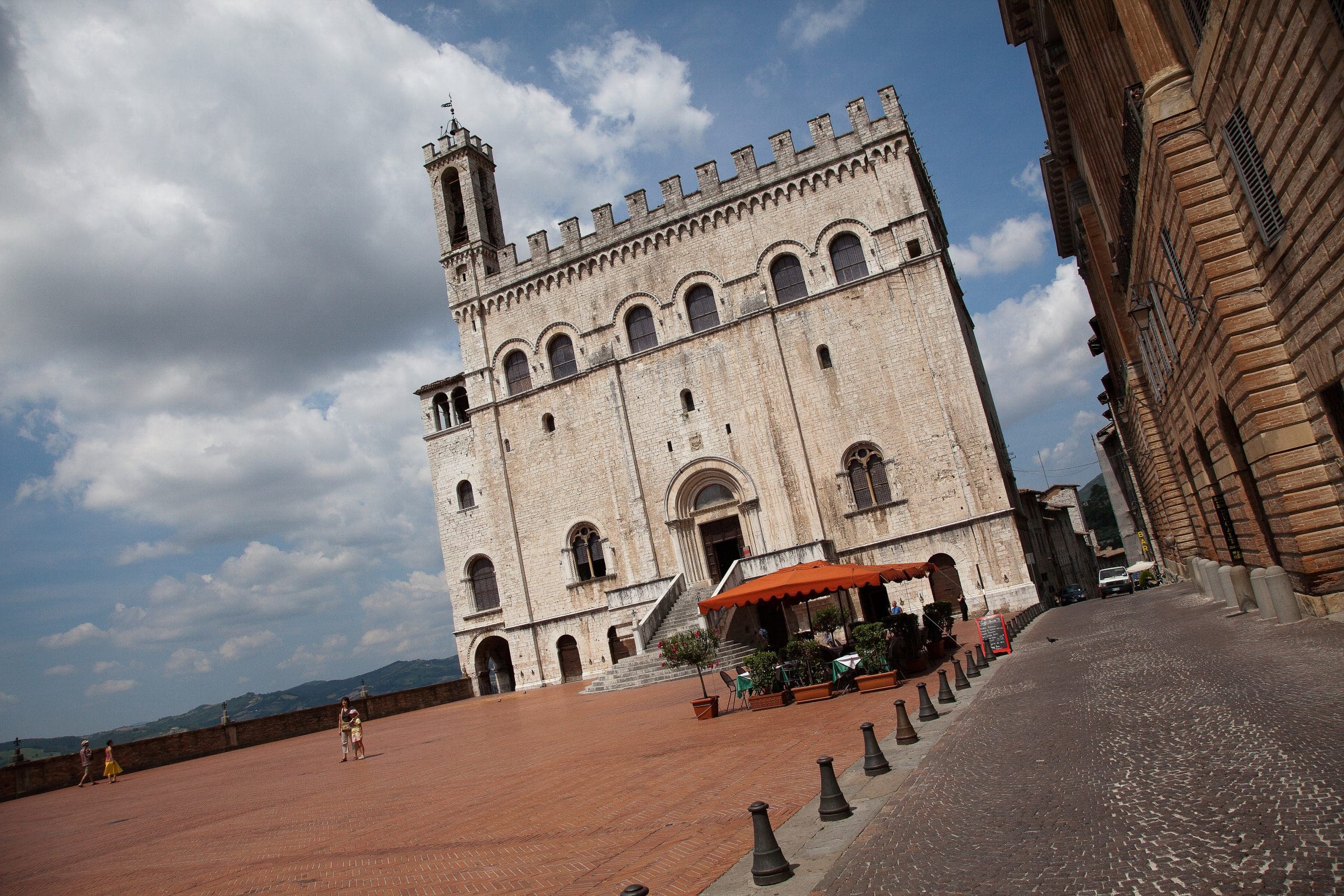
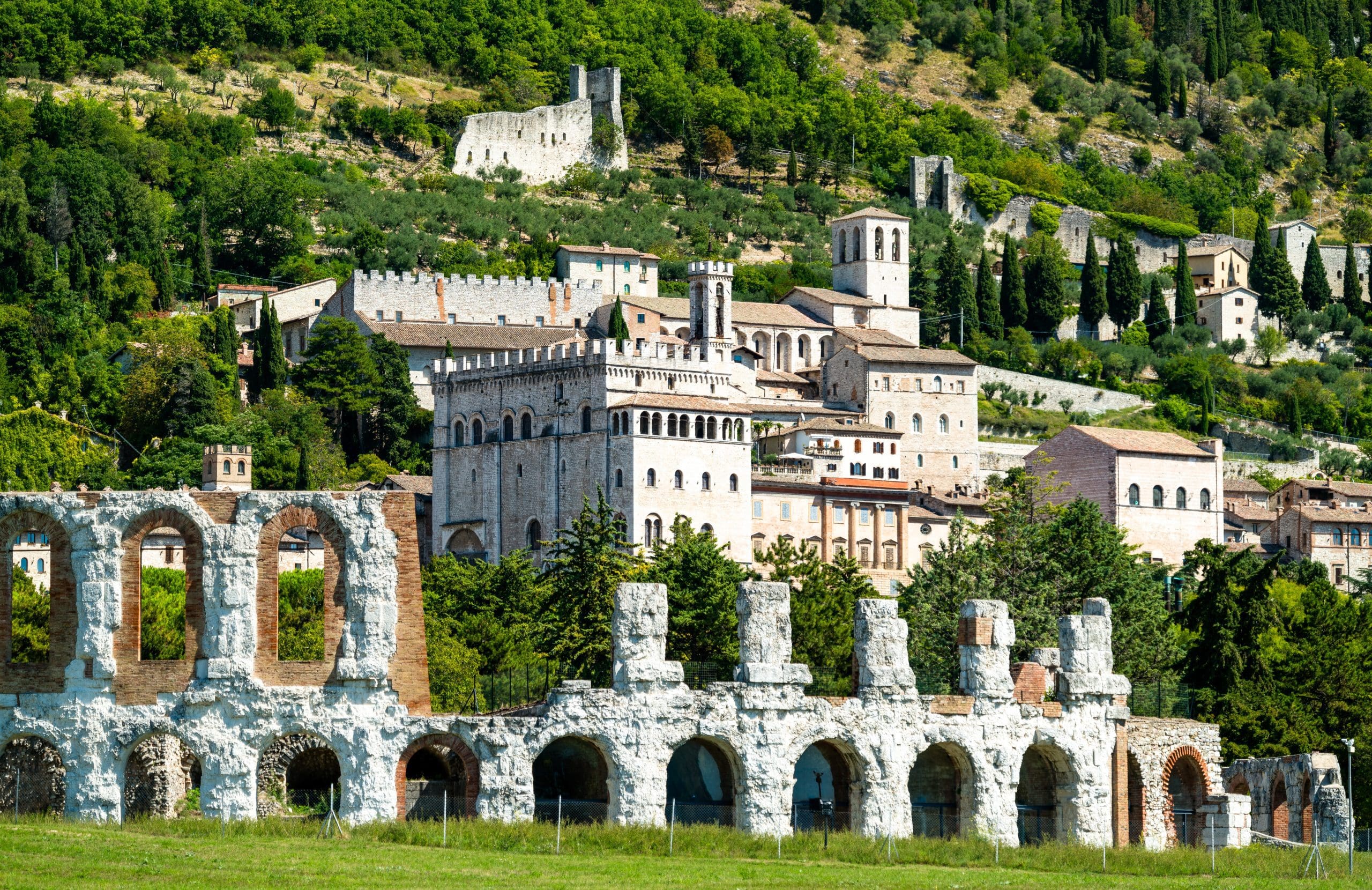
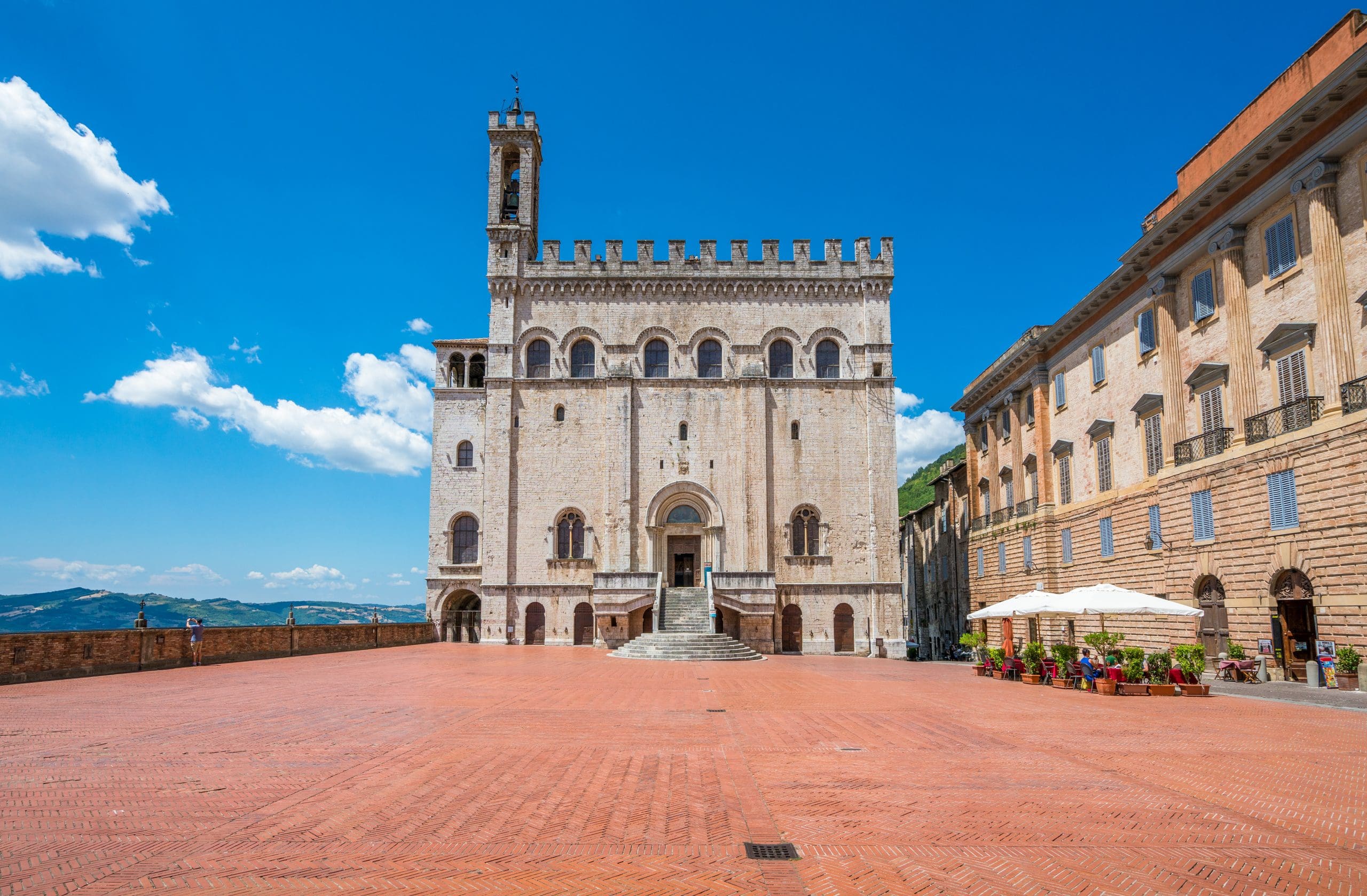
Federico da Montefeltro by bike
Gubbio-Urbino
Duration: MTB 4.40 h E-MTB 3.36 h
Distance: 61.7 km
Difference in altitude: 1,280+
Points of interest: Gubbio, Cantiano, Cagli, Fermignano, Metauro waterfall, Urbino.
A 75 km itinerary that separates the ducal city from the birthplace of Federico da Montefeltro.
It is an itinerary rich in art and culture on one side and wonderful natural landscapes on the other, the one that connects Gubbio to Urbino.
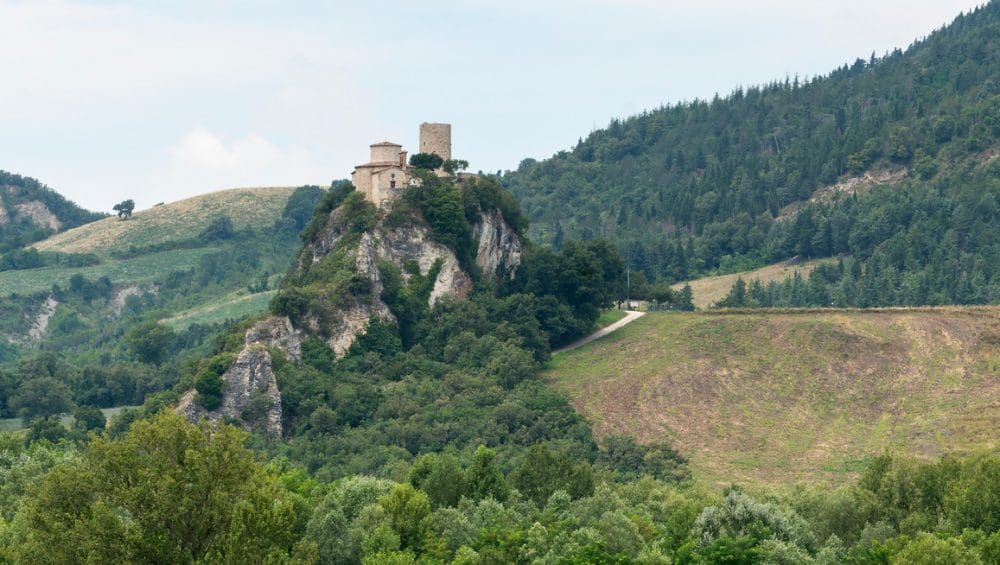
The route develops largely on panoramic and low-traffic roads, immersed in the charming Umbria-Marche countryside, touching the places where Federico da Montefeltro, one of the most famous figures of the Renaissance, had a strong influence.
Departure from Gubbio, the birthplace of Federico da Montefeltro.
Federico’s affection and the greatest intensity of his feelings went to Gubbio, as he wrote in 1446: «because we can assure you that there is all our heart and all our soul».
It is here that he built his palace as the second seat of the duchy and the second capital rich in pre-Roman and classical vestiges.
We go up towards Urbino, along the old Contessa road, crossing the ancient borders of the state of Feltre, Cantiano and Cagli where the Duke was Lord by birth with titles obtained from his father through
the papal investiture in 1424 AD.
In Cagli, the Torrione is all that remains of the ancient fortress, designed by Francesco Di Giorgio Martini, which was part of a defense plan desired by Duke Federico da Montefeltro.
Having abandoned its defense function, the Torrione today is not only a beautiful historical monument, but also the headquarters of the Contemporary Sculpture Center. The rooms host works by internationally renowned artists,
such as Mattiacci, Kounellis, Nagasawa, Icaro and many others. Their sculptures rest on an unprecedented and original scenography, harmonizing with stone and bricks, creating an incredibly suggestive effect.
Fermignano is a small town of Roman origin that stands on the left bank of the Metauro river, with all around the soft and hilly landscape typical of Montefeltro.
After about 60 km the arrival in Urbino, the city declared a UNESCO World Heritage Site, cradle of the Italian Renaissance and city of Raphael. Urbino is the pearl of the Marche also known as the “ideal city” because of
the painting of the same name preserved in the Palazzo Ducale, one of the most beautiful works of the Renaissance and the beating heart of the city of Urbino in which some of the greatest architects, painters, sculptors and
workers called by Federico from many parts of Italy and Europe participated.
Urbino is the perfect representation of a classic Italian village: the crisscrossing alleys, the delicious smell at every corner, the magnificent panorama that surrounds the town and then… so much art!
Gallery
Commenti recenti
- A Taste of Umbria 5
- Accomodations 111
- Activity 12
- Attività 13
- Blog 49
- Christmas in Umbria 5
- Consigli 16
- Culture 13
- Events in Umbria 2
- Experiences 26
- La Contessa: a door between land and sea 34
- Mystic Umbria 5
- News 12
- Olive oil experiences 1
- Outdoor 3
- Packages 22
- Recipe 8
- Taste 10
- Tips 15
- Umbria A Journey through Time 7
- Umbria Beactive 9
- Umbria For Family 4
- Uncategorized 2
-
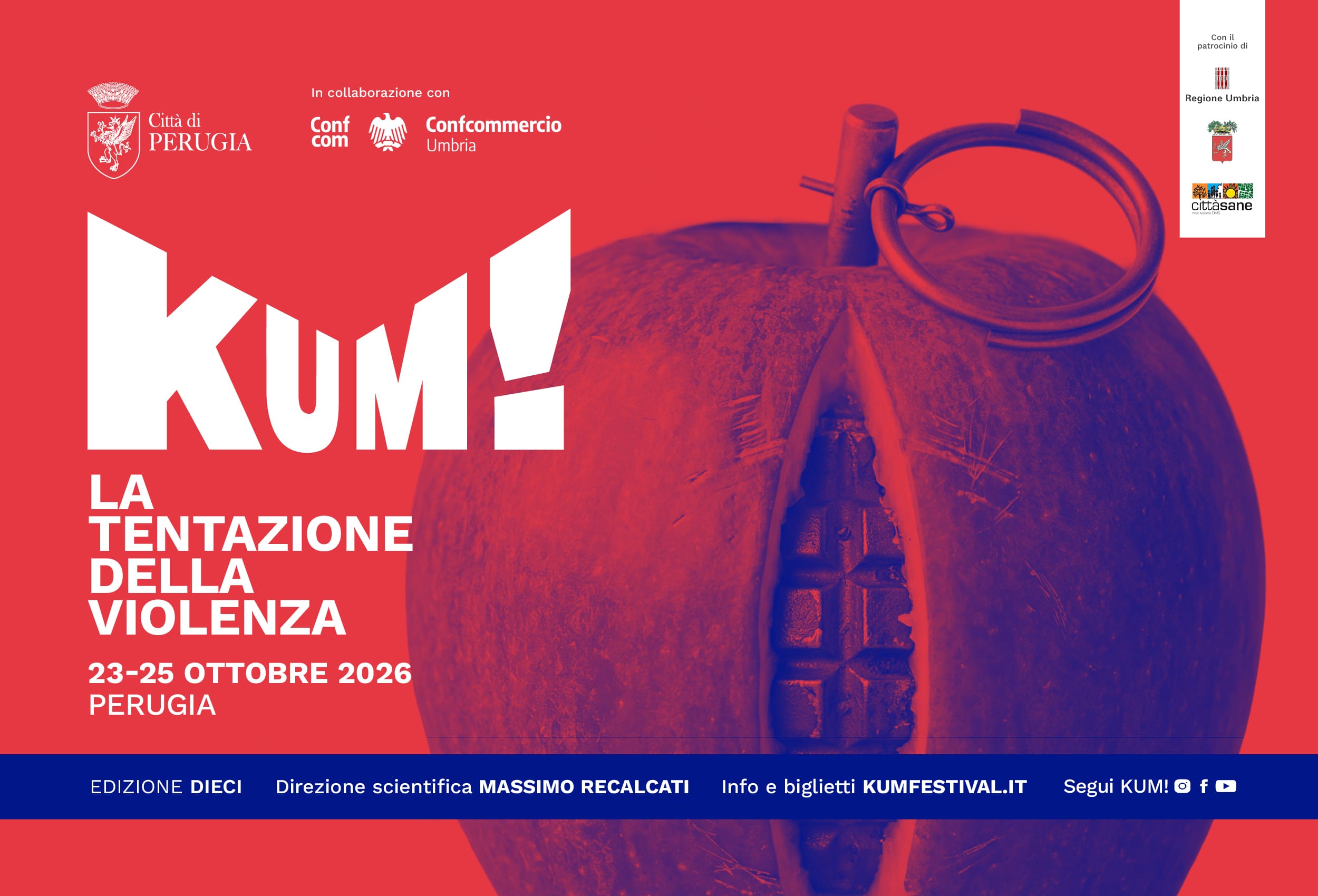
KUM! Festival 2026 29 July 2026
-
Grand Hotel Elite 28 July 2026
-
Residence San Pietrino 28 July 2026