
Città del Cioccolato

In Perugia there is a new destination to experience with all the senses: the City of Chocolate

In Perugia, there’s a new way to experience the historic center: not just by wandering through squares, churches, and views, but by letting yourself be guided by a call that belongs to everyone’s memory: the scent of chocolate.

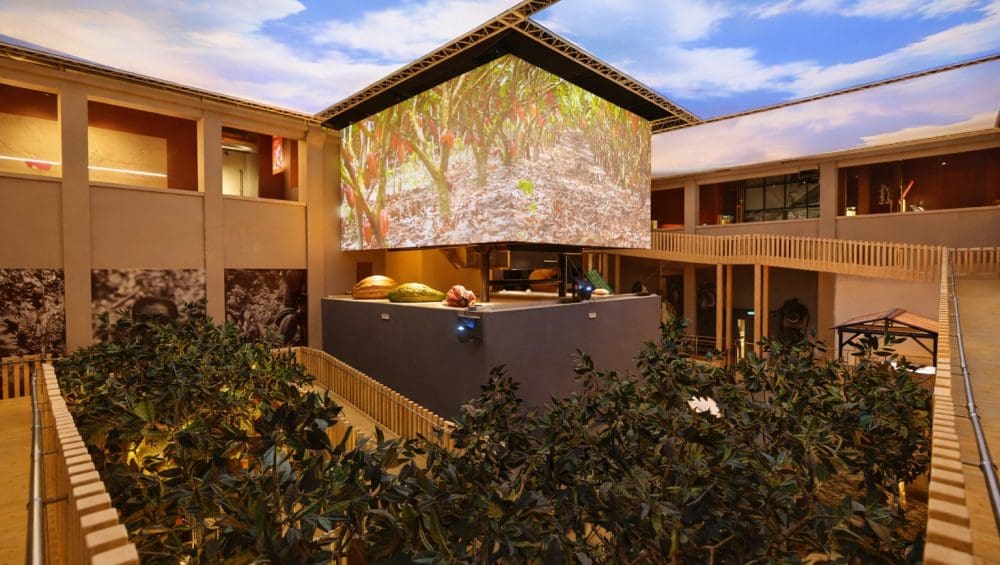
In the heart of the city, the City of Chocolate takes shape, a large experiential museum dedicated to cocoa and chocolate, designed to transform the visit into a cultural and sensorial journey capable of engaging families, couples, food and wine enthusiasts, and curious travelers. It’s no coincidence that this project was born right here: Perugia is historically linked to chocolate and its know-how, and this vocation today translates into a contemporary destination, consistent with the trajectory the city has pursued for years, including through Eurochocolate, an iconic event that for over thirty years has continued to establish itself as the largest international event dedicated to cocoa and chocolate.

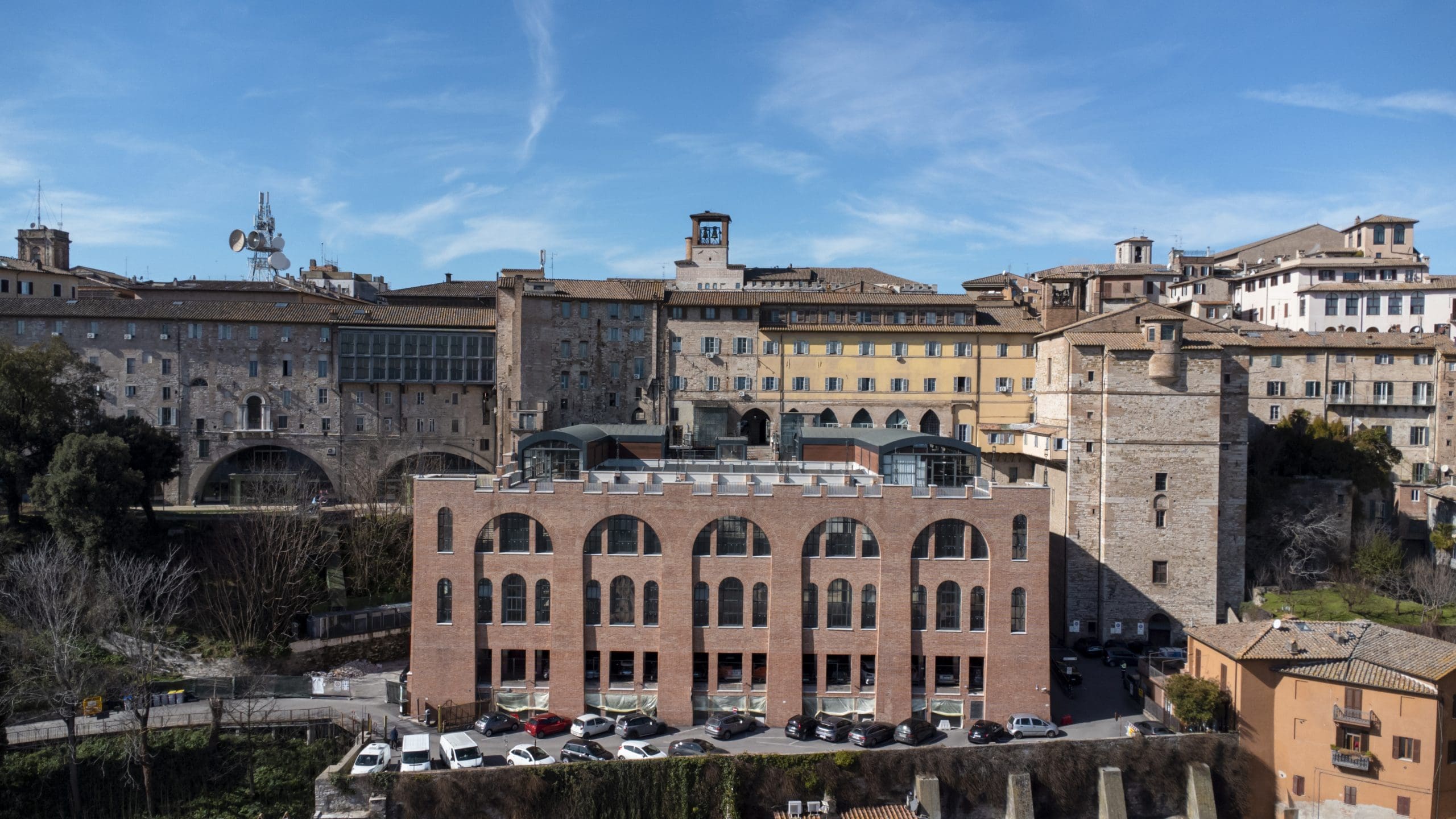
The venue itself is part of the experience: the former Covered Market, one of the city’s iconic urban spaces, just steps from the main cultural itineraries.

Entering the City of Chocolate also means rediscovering a building that for decades served as a meeting place and a hub for exchange, now revitalized as a space for culture, entertainment, and learning.

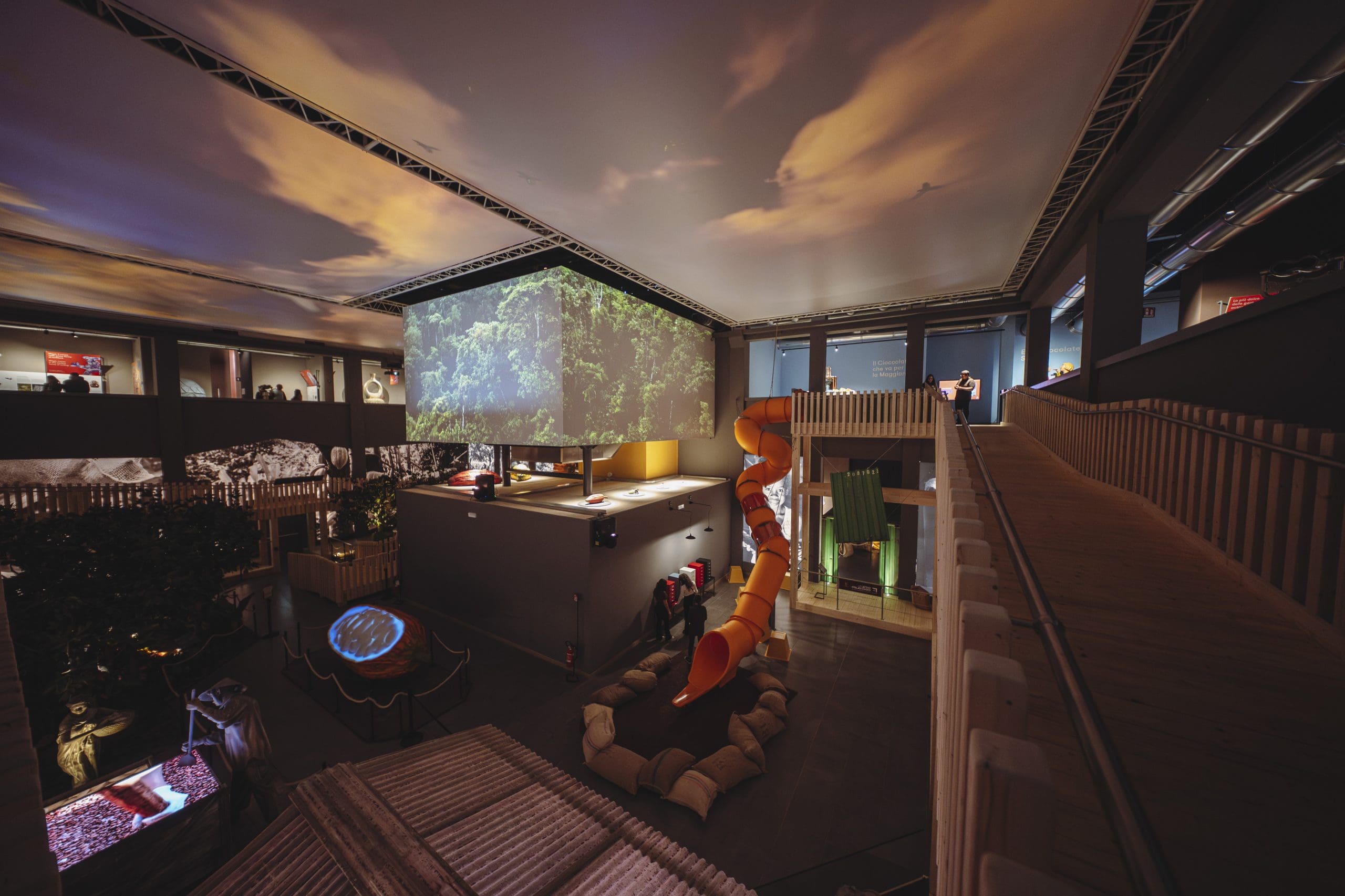
Across over 2,800 square meters of space, visitors are led on a narrative that begins with Mesoamerican civilizations, traverses the Europe of courts and technical innovations, and reaches the present day, demonstrating how cocoa became the chocolate we know: not just a food, but an economic and cultural phenomenon that intertwines territories, production styles, consumption, imagery, and design.

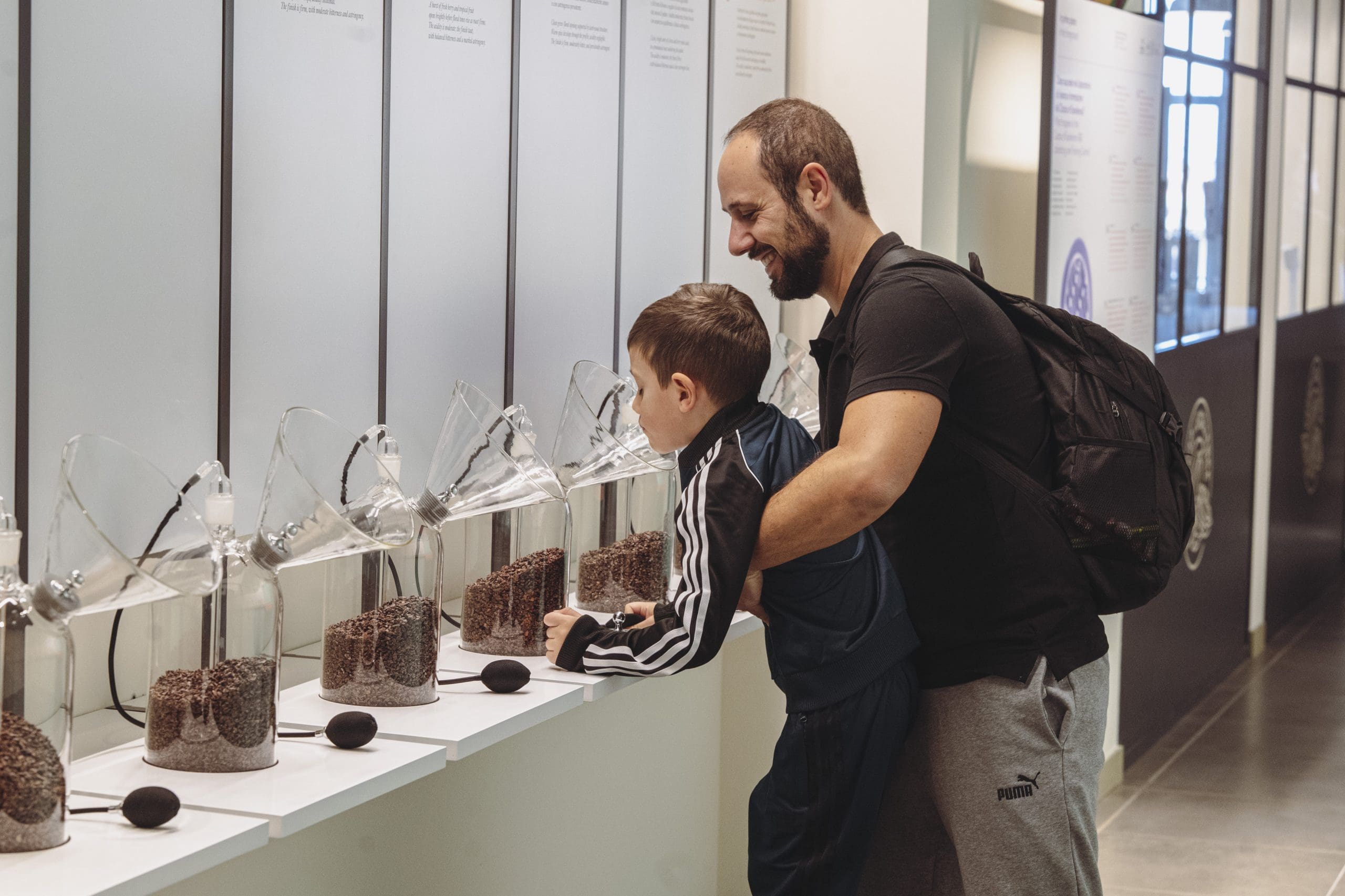
The museum doesn’t just “tell the story”: it showcases the supply chain, focusing on biodiversity, producing countries, technological transformations, and contemporary issues of sustainability and quality. It uses immersive and multimedia techniques that make the visit accessible and engaging without sacrificing content.

The journey continues in Perugia, recognized as the Italian capital of chocolate: not only for being the birthplace of Perugina and the iconic Bacio chocolate, but also for its ability to combine tradition and innovation thanks to Eurochocolate, celebrating its thirty-second edition this November.

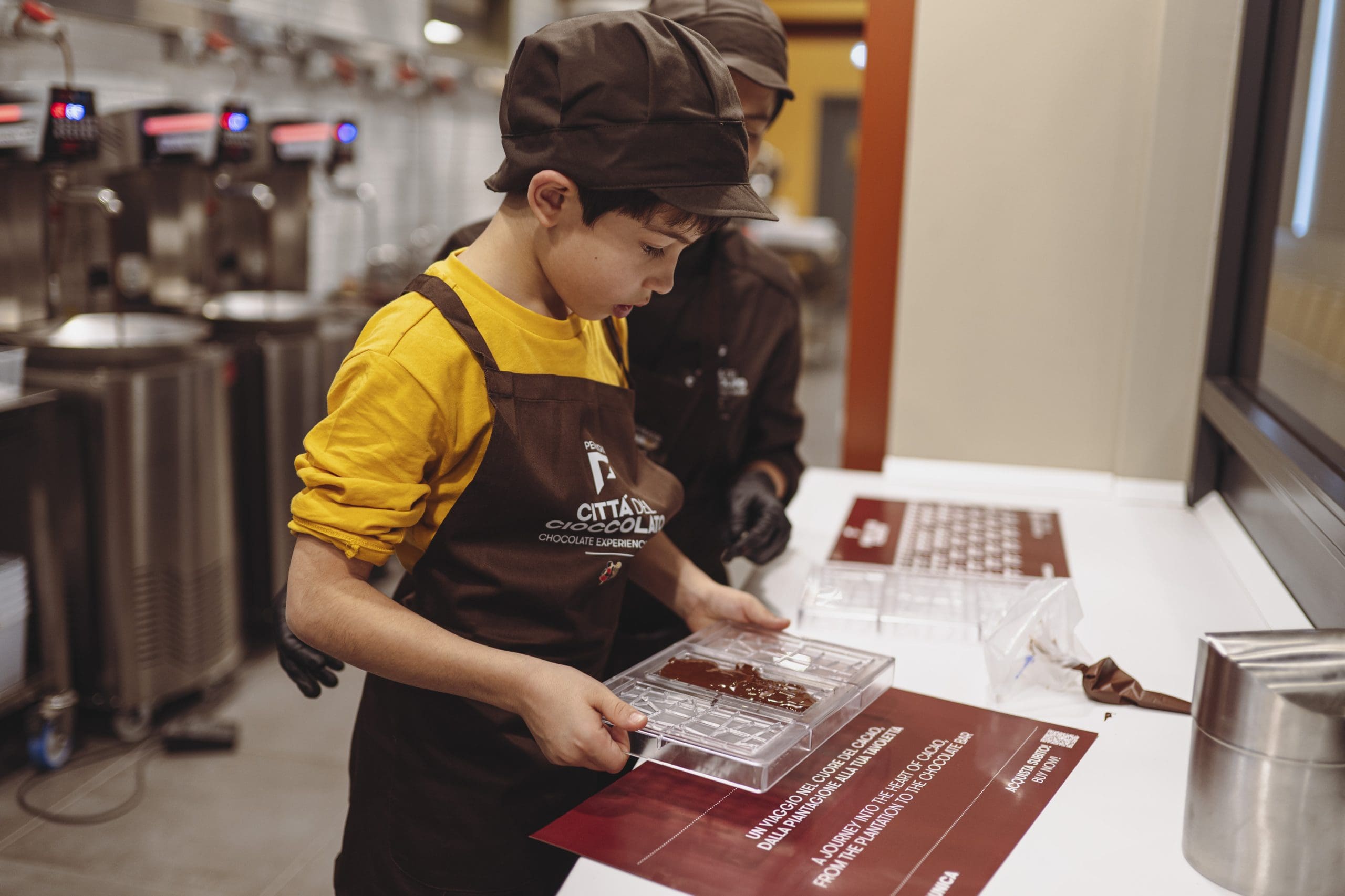
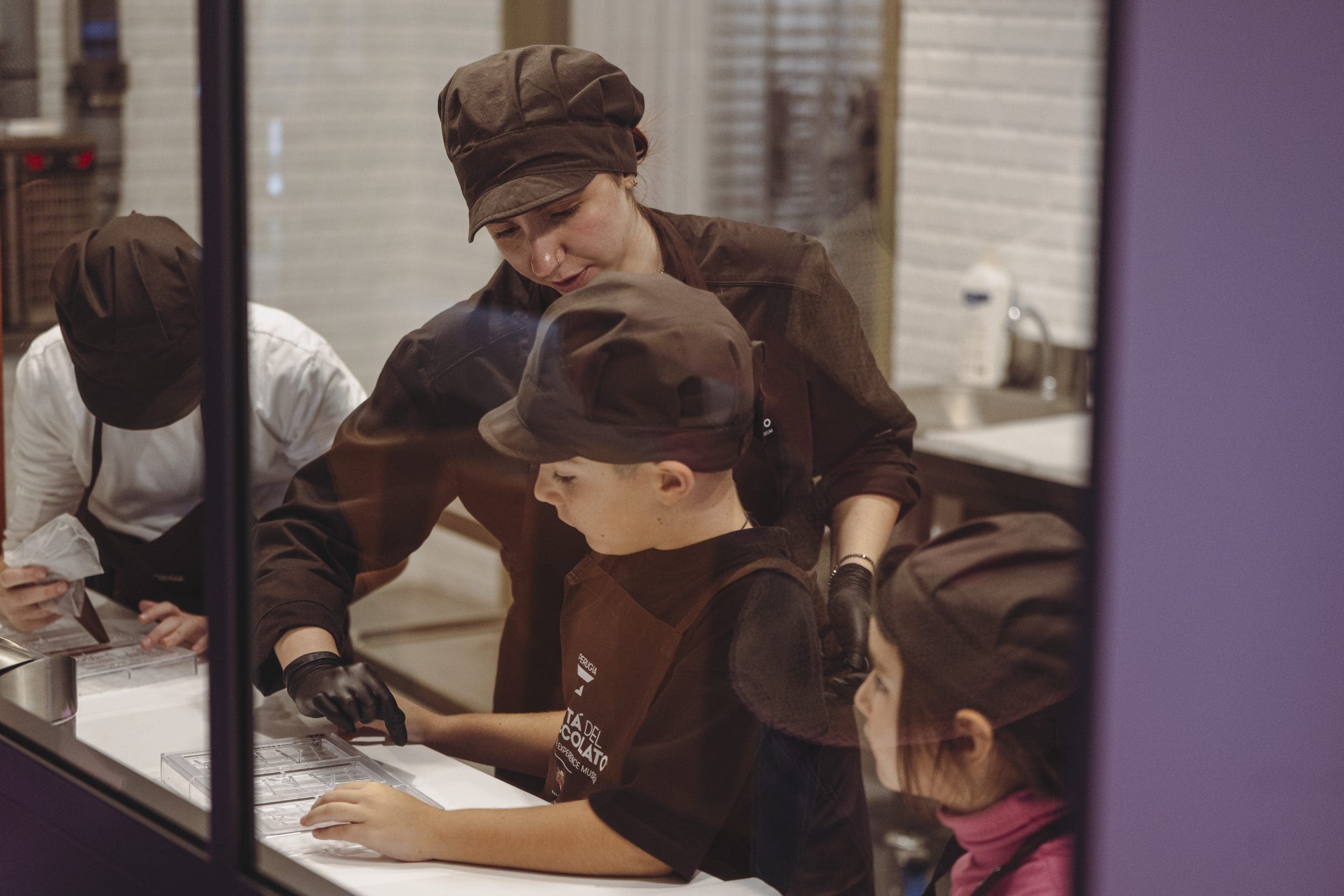
Finally, one of the memorable moments of the museum visit is the Bean to Bar factory, where visitors can follow the entire transformation process from bean to bar, without resorting to semi-finished products. It’s here that the experience ceases to be merely contemplative and becomes a real understanding, made up of machinery, gestures, aromas, artisanal skills, and sensory differences that explain what quality truly means.

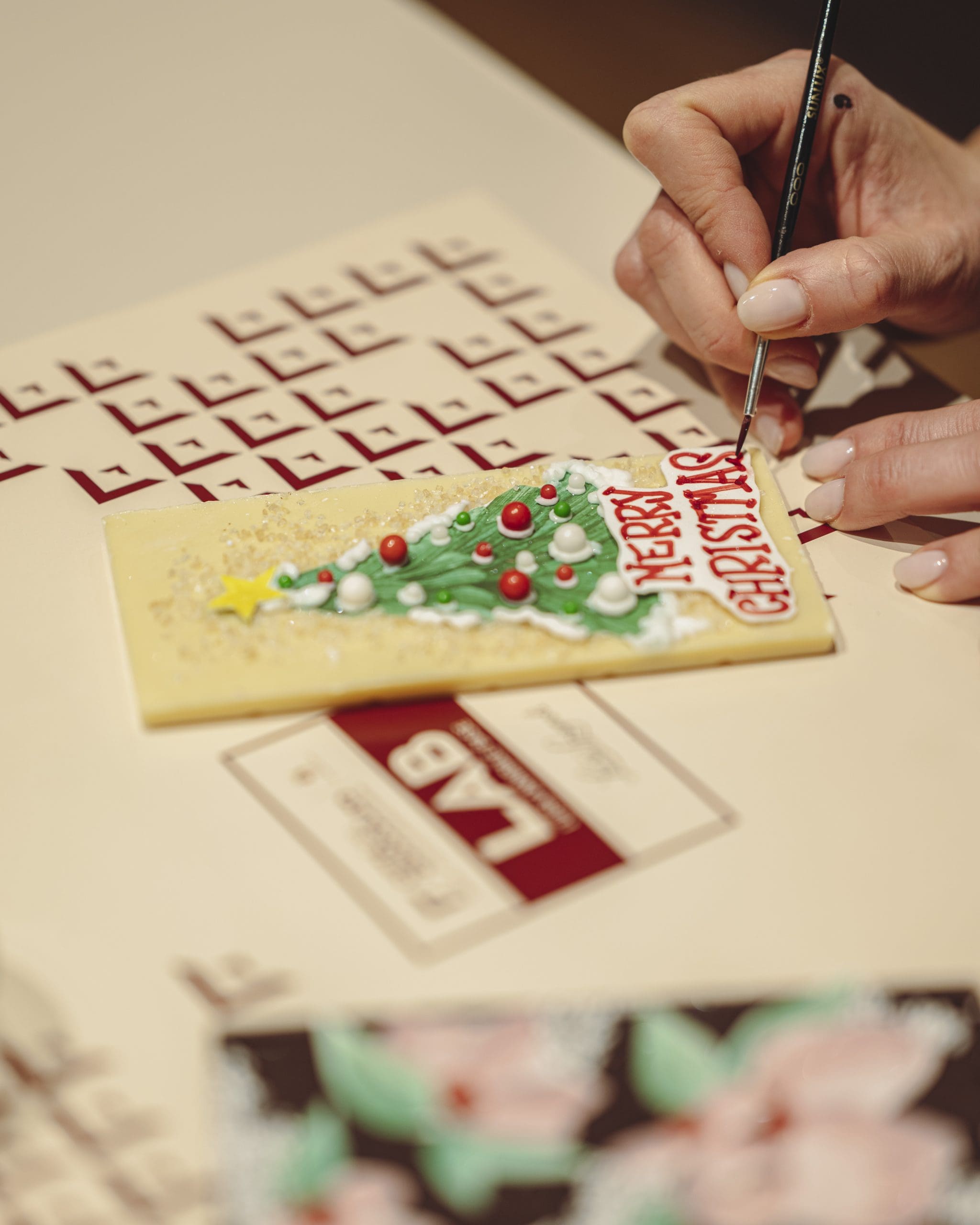
The City of Chocolate, however, is not conceived as a museum: it is a living place, designed to open up to the city and renew itself over time through temporary exhibitions, events, workshops, tastings, and educational activities for schools and families. The idea is to make cocoa a starting point for discussions about regions, supply chains, taste, and awareness.

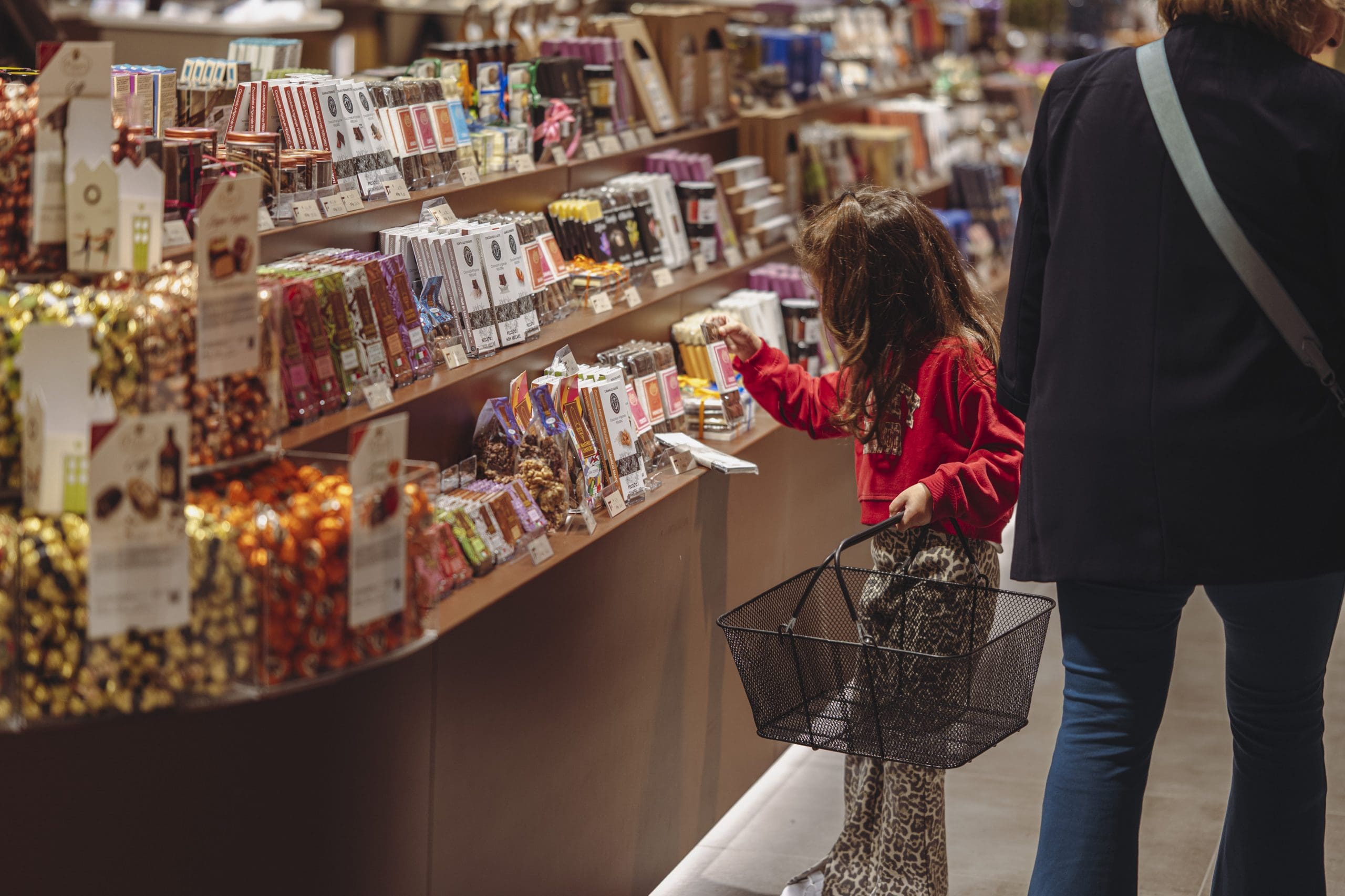
This approach also includes the ChocoShop, accessible without a ticket, which functions as a stand-alone urban stop in the heart of Perugia: a space where the visit can continue in the form of discovery, gifts, and curiosity, with offerings from more than 150 international, European, and Italian brands.

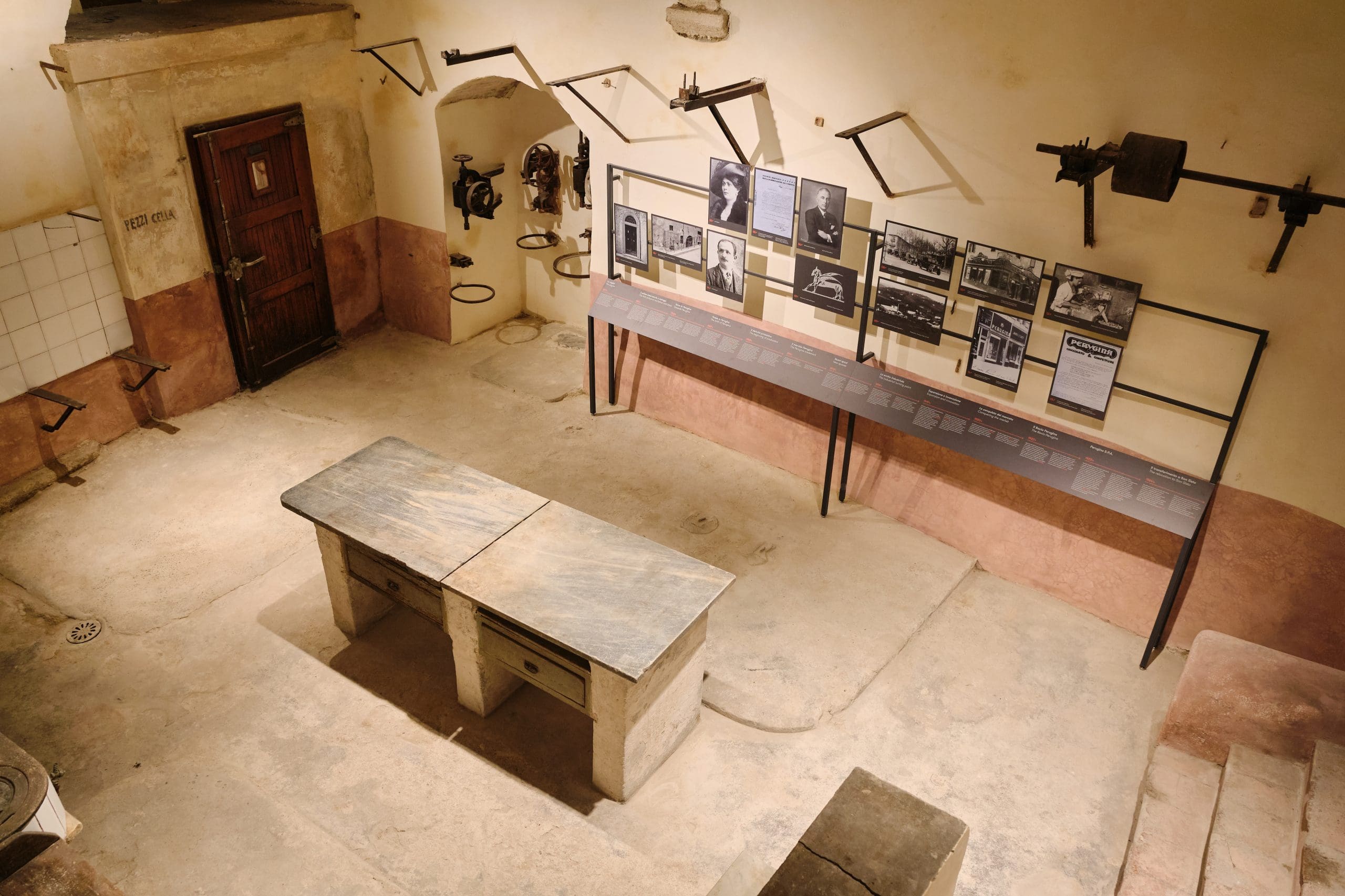
Making the experience even richer is the dialogue with other spaces that are key to the city’s identity, extending the visit beyond the museum. On the one hand, the museum offers access to a surprising and little-known glimpse: the Arcone, a monumental support structure in the Piazza Matteotti area, now reopened to public use with an evocative illuminated passageway. It is a place that adds historical depth to the visit: local tradition also links it to the memory of medieval Perugia and the story of the imprisonment of Saint Francis after the 1202 Battle of Collestrada, transforming a structural element of the city into an unexpected narrative stage. On the other hand, a few steps from the museum, a crucial fragment of the history of Perugian chocolate comes to life: the recovery of the spaces of the first Perugina laboratory dating back to 1907, restored and enhanced as a place of memory and the story of its origins.
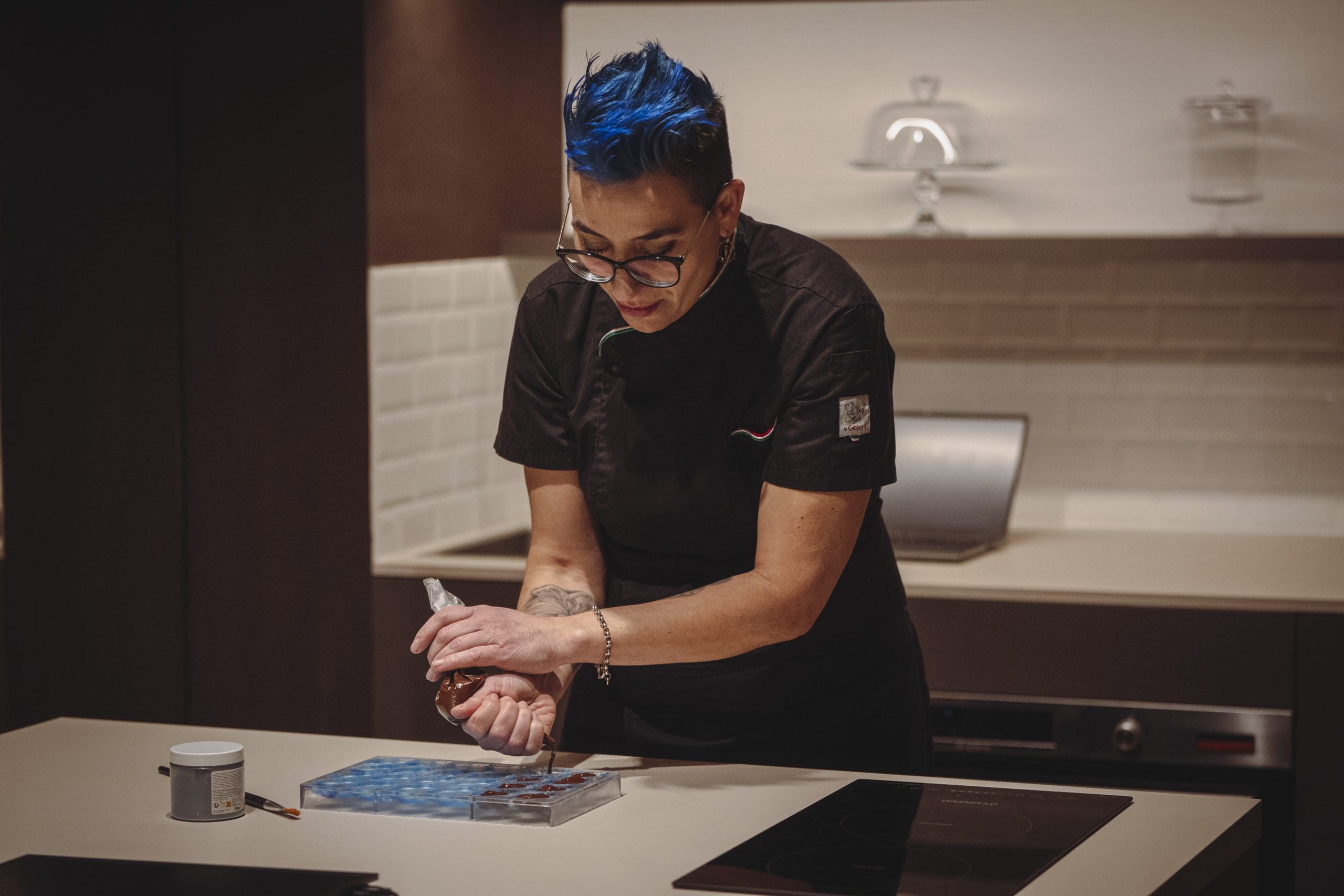
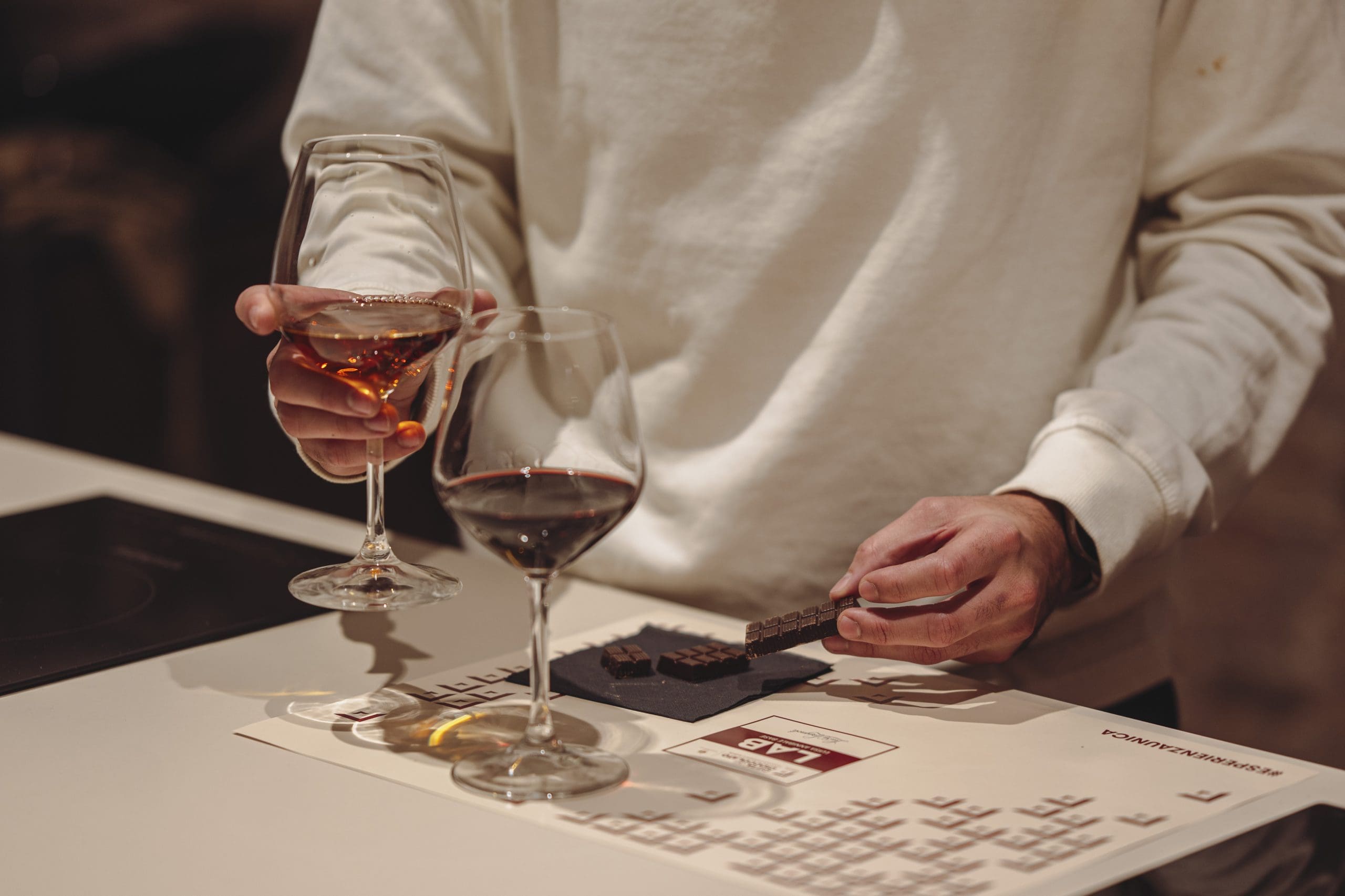
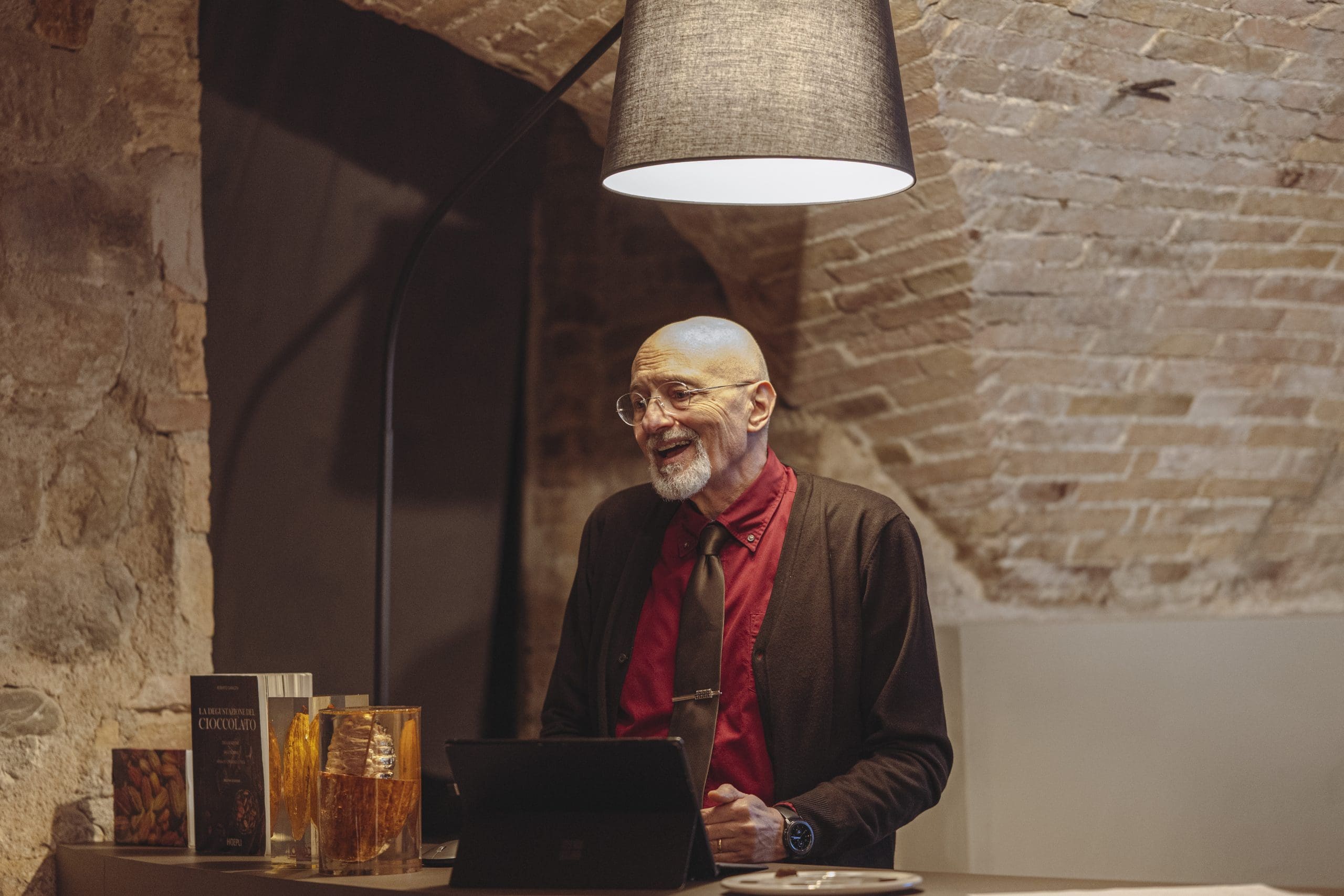
Alongside these historic spaces, LAB – Luisa Annibale Base is also an experiential hub dedicated to meetings, tastings, activities, and in-depth learning opportunities: a space designed to make chocolate happen, not just to tell its story, hosting meetings with professionals, guided tours, and initiatives that focus on gesture, knowledge, and conviviality. Together, the museum, LAB, and historic spaces create a coherent ecosystem: an itinerary that unites story and practice, memory and contemporaneity, city and supply chain, making Perugia understandable through an immediate and universal thread: cocoa.

In short, the City of Chocolate doesn’t simply add an “attraction” to the local offering: it builds a new gateway to Perugia, combining experience, identity, and storytelling in a contemporary format where visitors don’t just see, but learn, taste, experience, and be amazed.

For those visiting Umbria, it’s one more reason to choose Perugia; for those who already know Perugia, it’s a radically different way—more sensorial, more narrative, more immersive—to rediscover it.

💚 We are waiting for you in Umbria💚

Gallery

Spring in Umbria: Simple Ideas for a Truly Enjoyable Experience

Spring is the time when Umbria changes pace. The days get longer, the villages come back to life, and everything invites you to slow down.

It’s also the ideal time for those seeking:

💚a couple’s trip
💚a few days with the family
💚a break with a small group of friends

Here you’ll find some simple ideas, designed to experience Umbria calmly, without overly rigid plans and without the feeling of “having to see everything.”

Why choose Umbria in spring

In spring Umbria is more authentic. The summer heat hasn’t arrived yet, the crowds are gone, and you can truly enjoy the area.

It’s the perfect time to:

💚 stroll through the villages
💚 stop and chat with the locals
💚 savor local food without rushing

And above all, it’s the right time for stress-free, stress-free travel.

A weekend among villages, nature, and silence

You don’t need to travel constantly to discover Umbria. In fact, often you just need to choose an area and truly experience it.

An ideal weekend can include:

💚 stone villages
💚 scenic trails
💚 free time to stop wherever you like

Perfect for those who want to unplug and rediscover a slower pace.

Authentic food and wine experiences

In Umbria, food is a serious matter, but never ostentatious.

In spring, it’s wonderful to visit:

💚family wineries
💚olive oil mills
💚farms

Simple, authentic experiences that even the youngest visitors enjoy and make the trip more authentic.

Slow and “soft” tourism

Not everyone likes to tire themselves out, running and walking for hours. And that’s perfectly fine.

Umbria offers countless opportunities for:

💚nature walks on foot or by bike
💚short trails that pass through some of the most beautiful villages and towns in the Green Heart of Italy
💚easy routes, suitable for everyone, even the littlest ones

Traveling well also means organizing well

A successful trip is made of simple but wise choices. From where to stay to the experiences you enjoy, every detail counts.

Want to plan your spring in Umbria?

Tell us what kind of trip you have in mind. We’ll help you create a tailor-made experience, designed just for you.

💚 We are waiting for you in Umbria💚

Pozzo di San Patrizio: a pioneering hydraulic work

It was the year 1527 when the Florentine architect Antonio da Sangallo the Younger was commissioned to build a Well in the heart of the city of Orvieto, a work that would later prove to be a real pioneering and avant-garde enterprise.
The task was ordered by the then Pope Clement VII, during the Sack of Rome, who wanted to give the city that gave him refuge (after having arrived there disguised as a greengrocer), a supply of water that was always available, especially during difficult periods such as sieges (or famines). A medal was also minted later, now kept in the Vatican Museums, with the engraving “ut populus bibat” – “for the people to drink”.

Initially the Pope had imagined the Pozzo for use in the fortified fortress of the Albornoz Fortress (hence the name “Pozzo della Rocca”). We have to wait for the 1800s for the current name Pozzo di San Patrizio.

Renaissance avant-garde
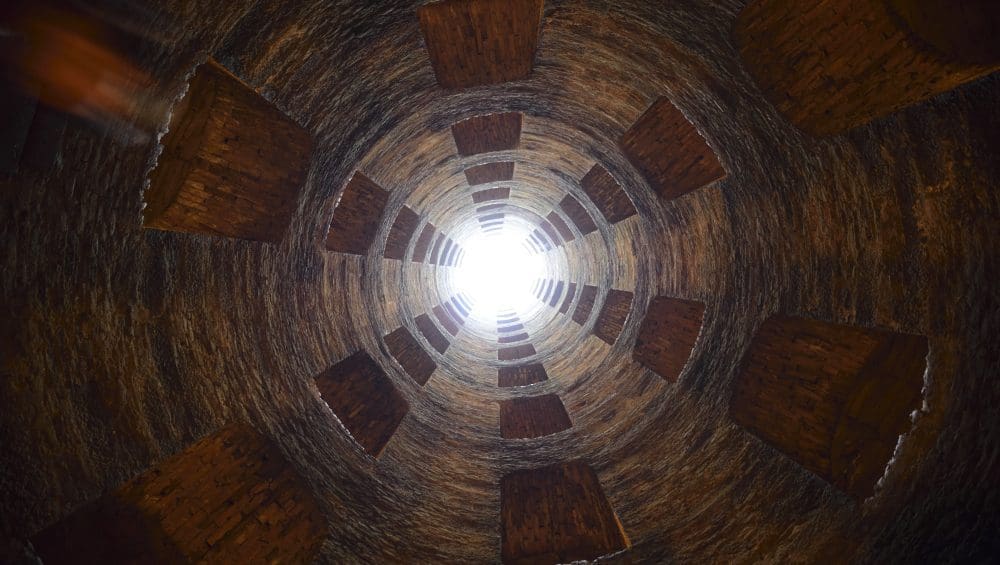
The architect Sangallo designed the cylindrical well, 58 meters deep, starting and taking inspiration from the spiral staircase of the Villa del Belvedere in the Vatican with a helicoidal design of steps (248) designed so that no traffic jams were created. and in fact whoever went down and whoever went up had their own “way” free, especially those who went there with mules.
There are 72 windows that illuminate the well until it reaches the semi-darkness in depth, where there is a small bridge connecting the two stairways.
The Well, completed in 1537, was built by digging into the tuff (Orvieto is famous precisely for its tufaceous soils and tuff tunnels where many famous Orvieto wines are kept and refined today) and then into the clay up to the aquifer of natural origin.
At the entrance you read “quod natura munimento inviderat industry adiecit – what nature had not given, industry procured”, a clear celebration of human ingenuity at the service of nature.

The Well and Ireland
As mentioned, the name Pozzo di San Patrizio, arrived in the 1800s at the behest of the friars of the Convento dei Servi who were aware of the legend of the “Irish saint”, St. Patrick, guardian of a cave so deep that it did not have a bottom enough to be recognized as St. Patrick’s Purgatory (and once it reached the bottom by overcoming the “tests” it was then possible to enter Paradise) and that the well was even connected to Ireland, where the Saint did the work of evangelization, and often found in the Well a time for reflection and prayer. Thus it was that the Pozzo became a sacred rather than a military destination. Today a tourist and cultural destination of great impact and emotion.

The Largest Tree in the World in Gubbio

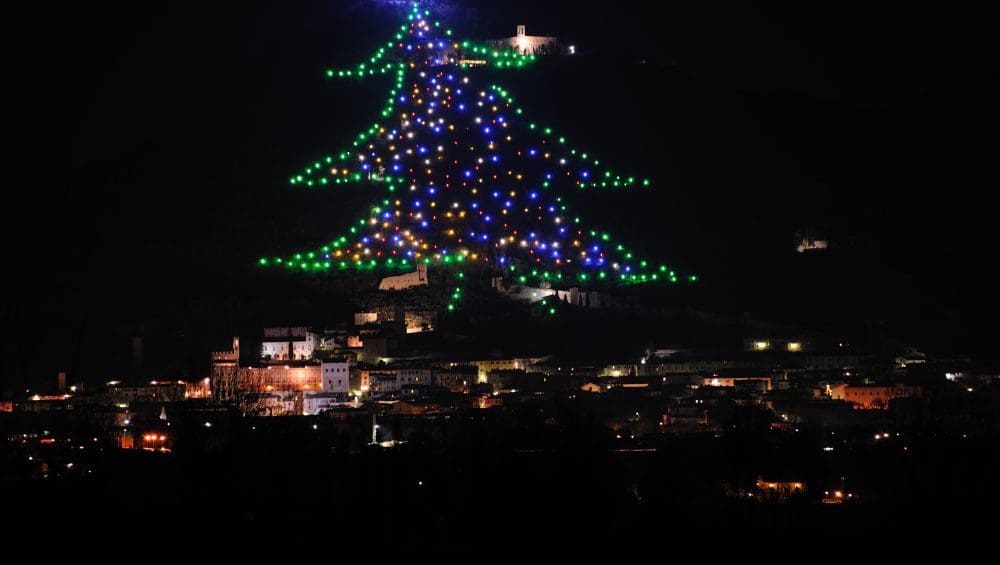
Officially, the date of birth of the project and the construction of the tree that lies on the gentle slopes of Monte Igino in Gubbio dates back to 1891, receiving in 1991 the Guinness Book of Records as the largest Christmas tree in the world.
Today, as per the thirty-year tradition, the largest tree in the world of Gubbio is lit at the beginning of December and turned off on the second Sunday of January.

It is certainly among the most impactful Christmas attractions not only for Umbria, arriving to welcome visitors who flock to admire the largest tree in the world from all over Italy and abroad.

Located along the slopes of Monte Igino, it is made up of about 800 lights powered by renewable sources and therefore not only a project with a great tourist impact but also an eco-sustainable one.
The Tree of Gubbio is 450 meters wide and 750 high and measures 13,000 square meters, reaching the Basilica of Sant’Ubaldo on the top of the mountain.

Gubbio’s Christmas
The Committee which since 1992 (the year of its legal foundation) has been involved in the creation of the Tree and in a certain sense also in the tourist promotion of the city of Gubbio at Christmas, is dedicated, and takes its name, to Mario Santini, the creator of the project. Every year the Tree is lit by important personalities such as that of Pope Francis but also by important “places” such as in 2017 lit by Paolo Nespoli directly from the Space.

Gubbio and the Magic of Christmas can be accessed not only with the lights of the largest tree in the world, with its charm, its majesty, attracting the curiosity of the little ones and the wonder of the grown-ups, but it is adorned with the Christmas atmosphere also thanks to the Christmas Land initiative with markets, the tour on Santa’s train, Santa’s Village and many themed initiatives.

The Story of the Nativity Scene of Saint Francis

Umbria is a land of ancient traditions and deep spirituality. In today’s Christmas-flavored article, we will delve into one of the most significant traditions: the Nativity Scene of Saint Francis of Assisi. This sacred representation is a testament to Umbria’s cultural and religious heritage, an icon of faith and devotion that attracts visitors from around the world.

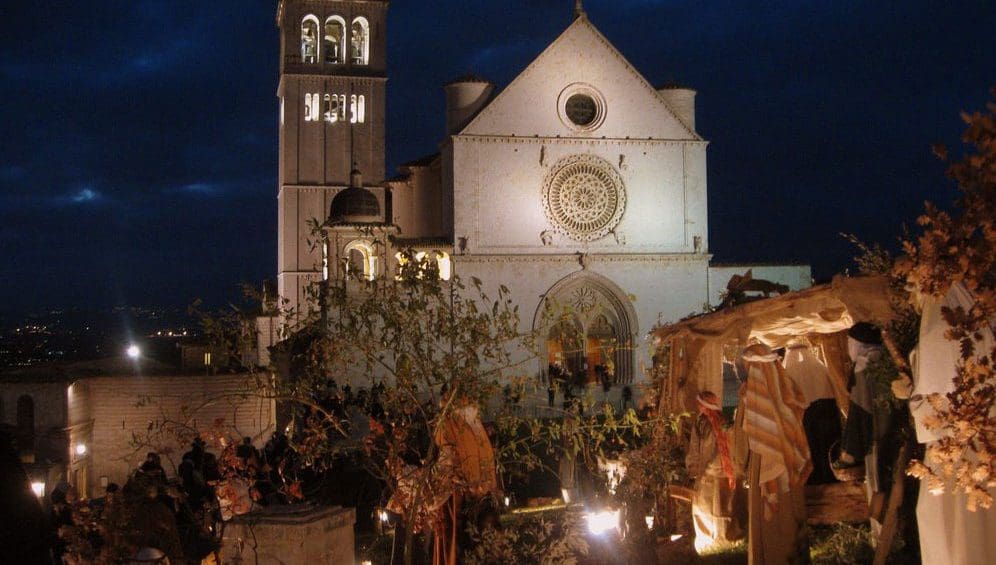
The Birth of the Nativity Scene of Saint Francis The Nativity Scene of Saint Francis has ancient roots dating back to the 13th century. The story goes that in 1223, Saint Francis of Assisi, the Patron Saint of Italy and founder of the Franciscan order, created the first living representation of the Nativity Scene in the Umbrian town of Greccio. This year marks the eight hundredth anniversary of the first representation. The Nativity Scene was a true gift to the birth of Jesus Christ, and Saint Francis thus initiated a tradition that has lasted for centuries throughout Italy and beyond.

The representation of the Nativity Scene in Greccio was conceived by Saint Francis as a humble cave, with a worn-out manger, and at its center, the Saint with his prayers, hymns to life, holy songs, and his profound devotion. It is in this atmosphere that the Baby Jesus makes His presence known.

Today, as in the past, the Nativity Scene is not just an artistic representation but also a powerful spiritual symbol. It embodies humility, simplicity, and the love that Saint Francis had for the child Jesus. This tradition encapsulates the essence of the Christian faith and the importance of reflecting on the true values of Christmas: love, compassion, and sharing.

The Magic of the Umbrian Nativity Scene Every year, during the Christmas season, the small villages and cities of Umbria come alive with the magic of the Nativity Scene of Saint Francis. Streets are filled with sparkling lights, Christmas music, and the air is filled with the scent of roasted chestnuts and mulled wine. Citizens passionately dedicate themselves to creating intricate and detailed scenarios depicting the nativity. Houses, streets, and squares are transformed into real living paintings, capturing the attention and admiration of residents and tourists.

The Umbrian Nativity Scene stands out for its authenticity and attention to detail, capturing the essence of daily life at the time. The figurines, skillfully crafted by local artisans, are often handmade and painted with vibrant colors, lending the Nativity Scene a touching realism.

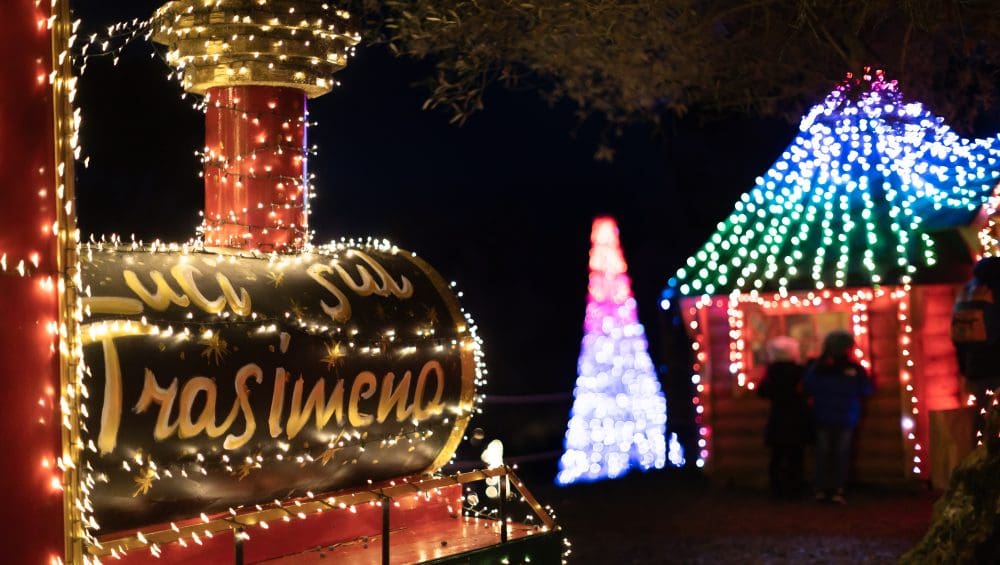
Visiting Umbria During the Christmas Season For anyone wanting to live this unique experience, visiting Umbria during the Christmas season is an unforgettable adventure. In addition to contemplating the wonderful Nativity Scenes of Saint Francis and the living nativities in various historical and medieval villages, there are scattered Santa Claus Markets in picturesque locations such as Perugia’s Rocca Paolina, or the world’s largest Christmas tree in Gubbio or the world’s largest Christmas tree on the water of Lake Trasimeno.

Don’t miss these fantastic events; we look forward to welcoming you for your Christmas in Umbria!


Experience an Incredible Adventure: Rafting in Umbria

If you are looking for an adventurous and engaging experience, rafting in Umbria is the perfect choice. Umbria, the green heart of Italy, offers breathtaking landscapes and rushing rivers that lend themselves magnificently to this exciting sport.

Umbria is one of the most fascinating destinations for rafting thanks to its variety of rivers and the natural beauty of the territory. Nestled between green hills, ancient forests and spectacular mountains, the region offers waterways that wind through uncontaminated landscapes, making each descent a unique and unforgettable experience.

The three reasons why you should consider rafting in Umbria

  1. **Contact with nature:** During rafting, you will have the opportunity to experience nature directly, discovering hidden corners and breathtaking landscapes that only the river can offer.
  2. **Adrenaline and fun:** Rafting is a dynamic and adventurous activity, perfect for those looking for strong emotions and guaranteed fun, both for beginners and experts.
  3. **Activities for everyone:** Suitable for groups of friends, families and couples, the rafting experience in Umbria is designed to be accessible to everyone. all, with routes of varying difficulty and expert guides who guarantee safety and fun.

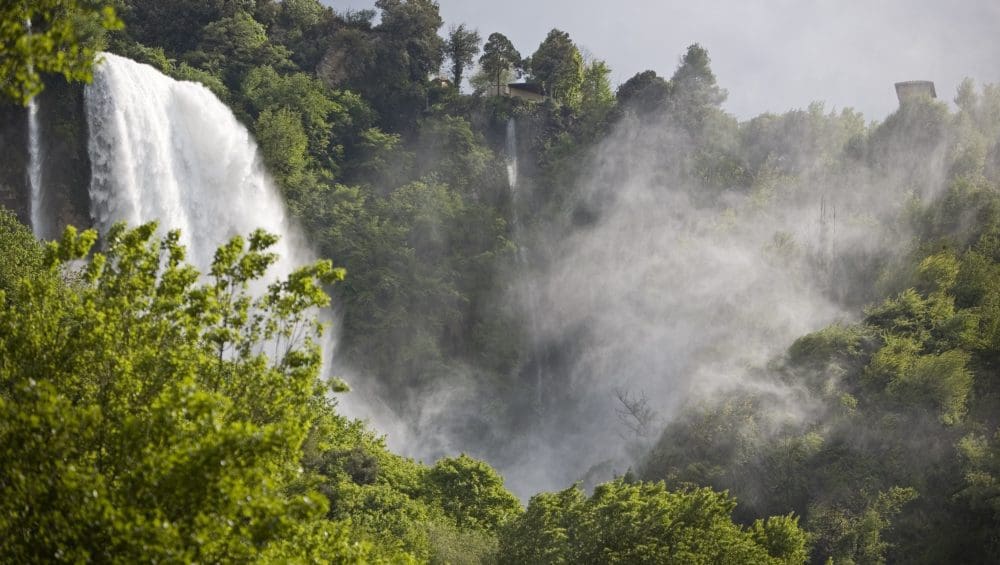
In Umbria, the main waterways suitable for rafting are along the Nera River or its tributary the Corno River, which flows through the picturesque Valnerina, and near the Marmore Falls.

Rafting in Umbria is an experience that offers adrenaline and natural beauty in a single adventurous package. Whether you are an expert rafter or a beginner looking for excitement, Umbria has something to offer everyone. With routes that pass through some of the most spectacular landscapes in the region, a rafting adventure here is not only a sporting activity, but an opportunity to connect with nature and discover the charm of Umbria from a unique perspective.

Don’t miss the opportunity to experience an unforgettable adventure among the Umbrian rapids this summer.

💚We are waiting for you in Umbria💚