Città del Cioccolato
In Perugia there is a new destination to experience with all the senses: the City of Chocolate
In Perugia, there’s a new way to experience the historic center: not just by wandering through squares, churches, and views, but by letting yourself be guided by a call that belongs to everyone’s memory: the scent of chocolate.
In the heart of the city, the City of Chocolate takes shape, a large experiential museum dedicated to cocoa and chocolate, designed to transform the visit into a cultural and sensorial journey capable of engaging families, couples, food and wine enthusiasts, and curious travelers. It’s no coincidence that this project was born right here: Perugia is historically linked to chocolate and its know-how, and this vocation today translates into a contemporary destination, consistent with the trajectory the city has pursued for years, including through Eurochocolate, an iconic event that for over thirty years has continued to establish itself as the largest international event dedicated to cocoa and chocolate.
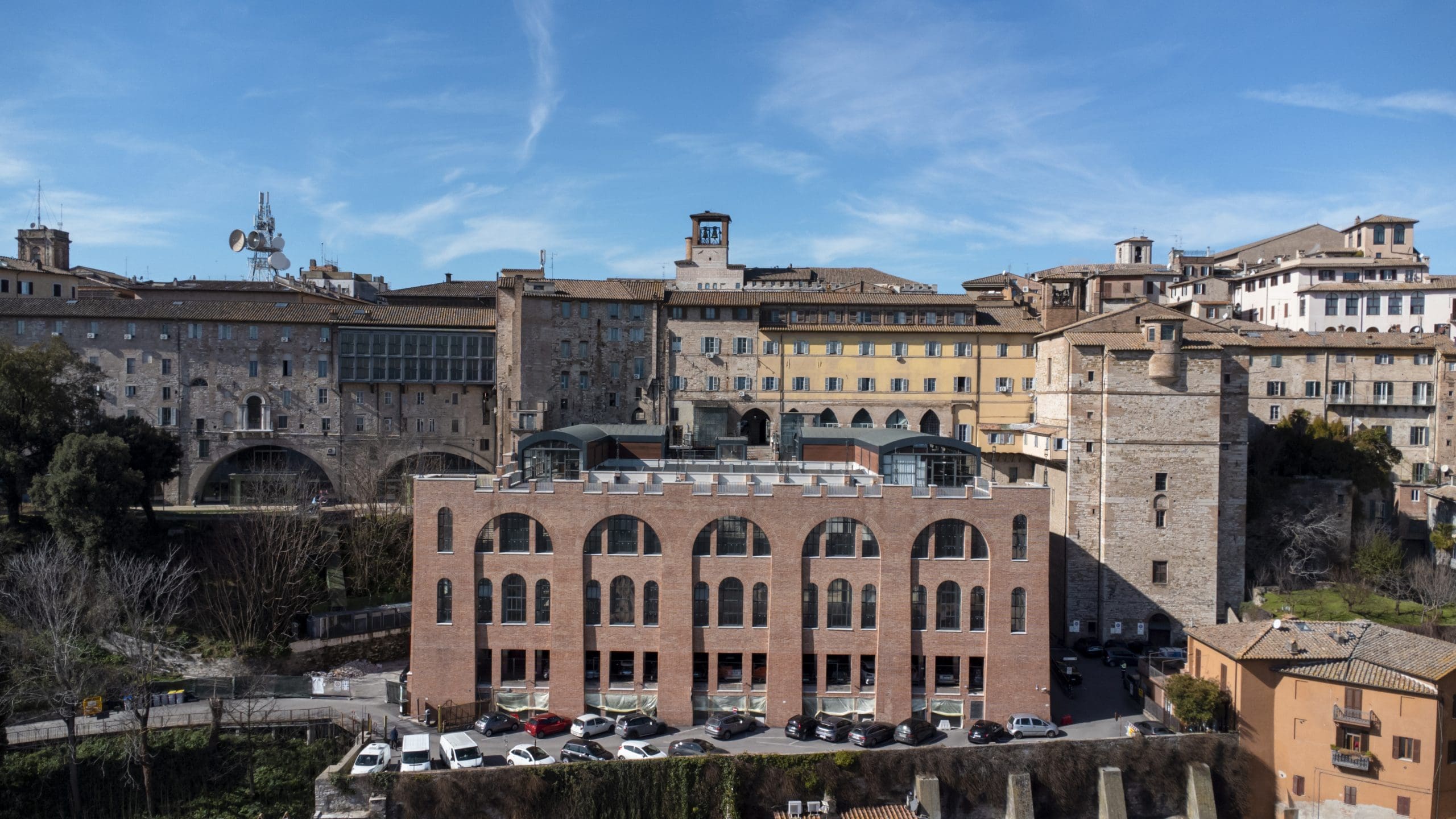
The venue itself is part of the experience: the former Covered Market, one of the city’s iconic urban spaces, just steps from the main cultural itineraries.
Entering the City of Chocolate also means rediscovering a building that for decades served as a meeting place and a hub for exchange, now revitalized as a space for culture, entertainment, and learning.
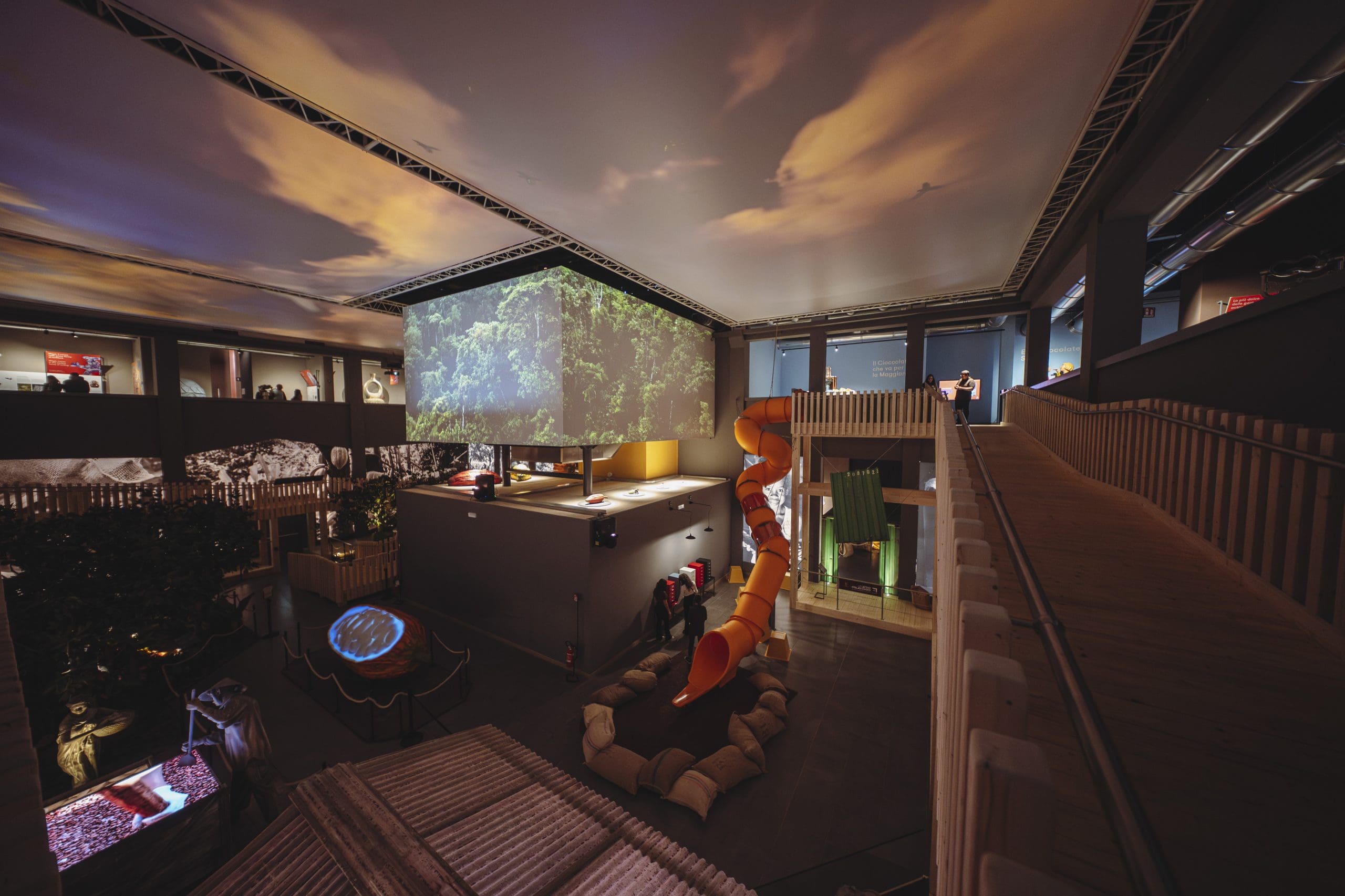
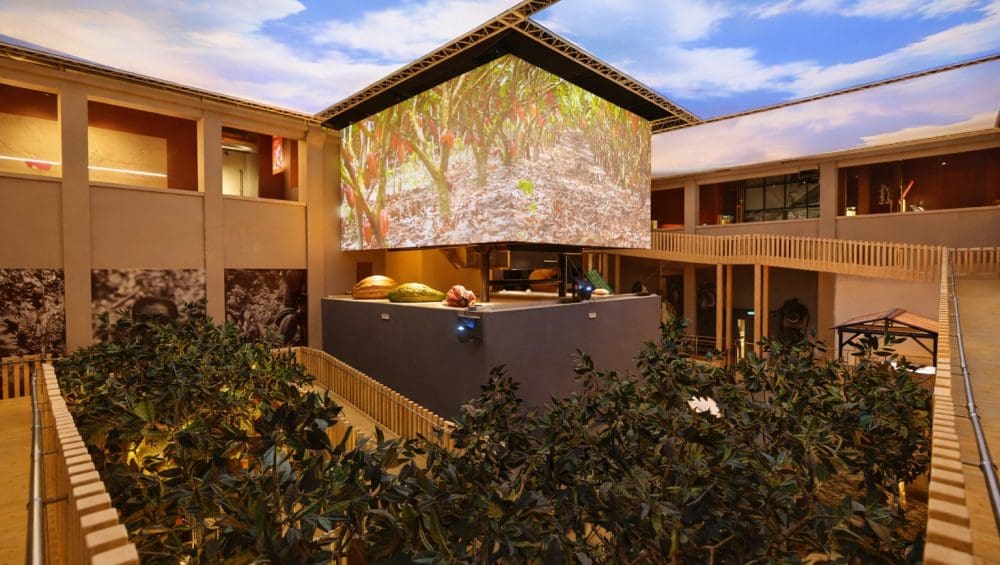
Across over 2,800 square meters of space, visitors are led on a narrative that begins with Mesoamerican civilizations, traverses the Europe of courts and technical innovations, and reaches the present day, demonstrating how cocoa became the chocolate we know: not just a food, but an economic and cultural phenomenon that intertwines territories, production styles, consumption, imagery, and design.
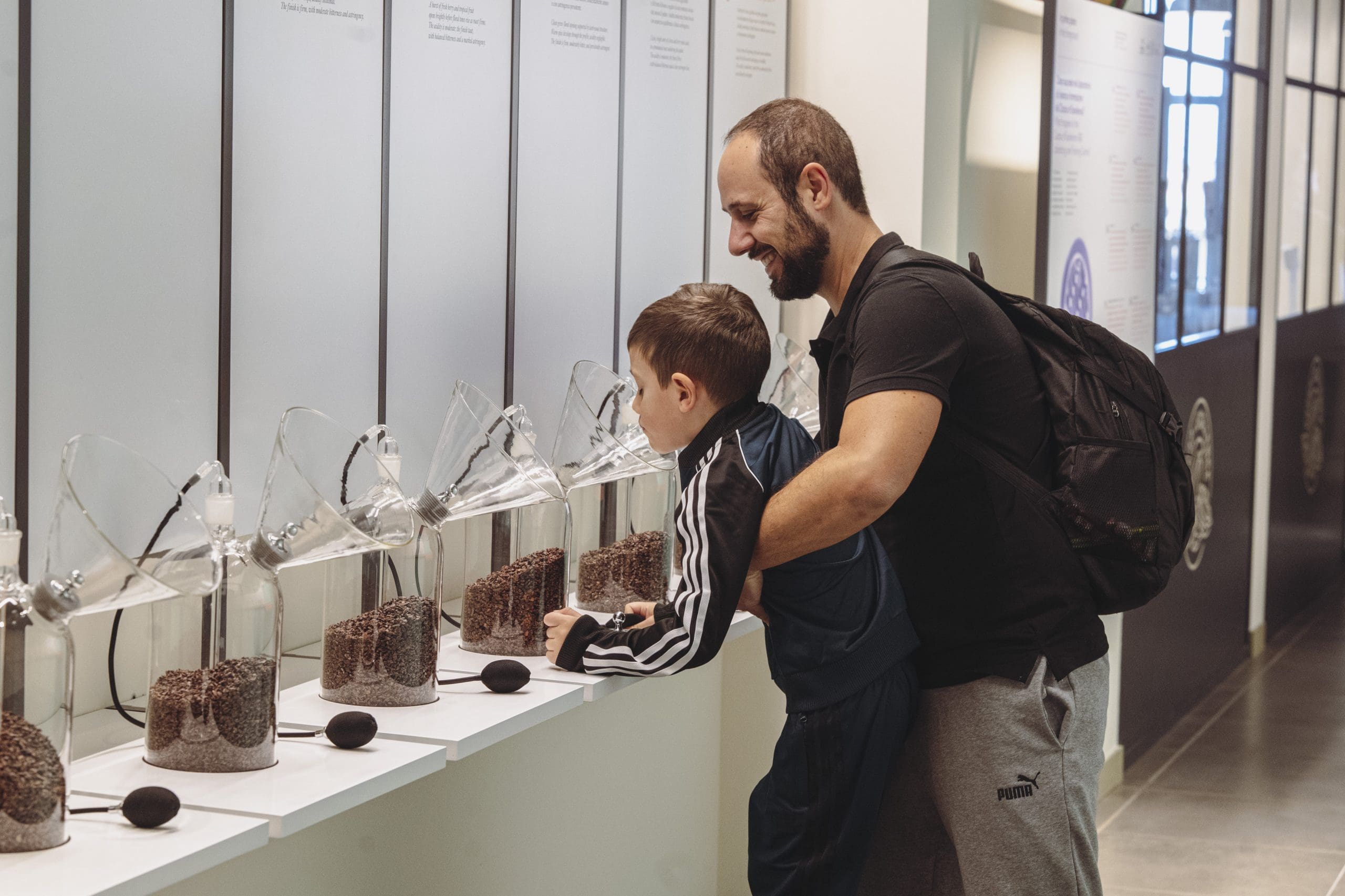
The museum doesn’t just “tell the story”: it showcases the supply chain, focusing on biodiversity, producing countries, technological transformations, and contemporary issues of sustainability and quality. It uses immersive and multimedia techniques that make the visit accessible and engaging without sacrificing content.
The journey continues in Perugia, recognized as the Italian capital of chocolate: not only for being the birthplace of Perugina and the iconic Bacio chocolate, but also for its ability to combine tradition and innovation thanks to Eurochocolate, celebrating its thirty-second edition this November.
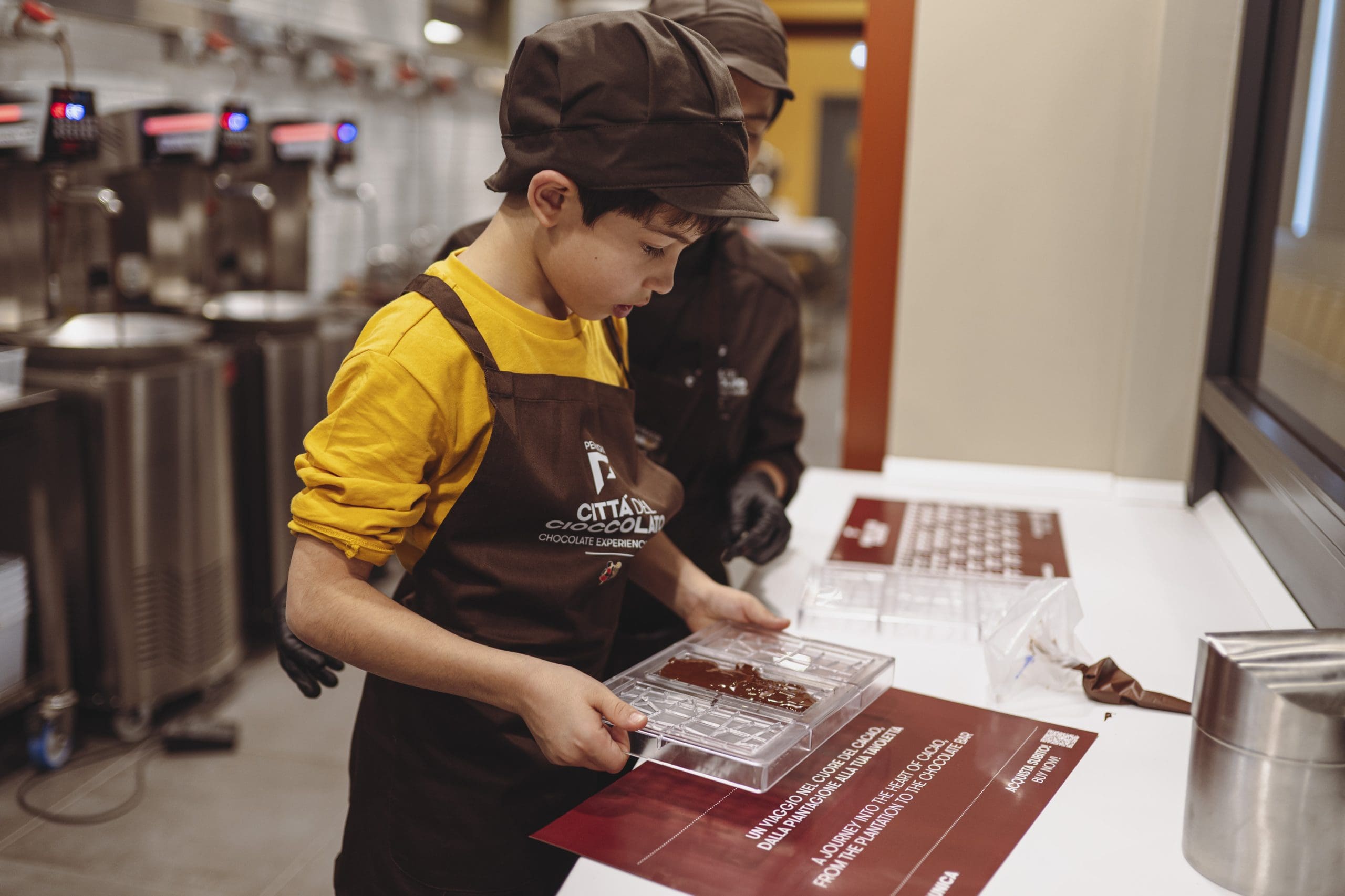
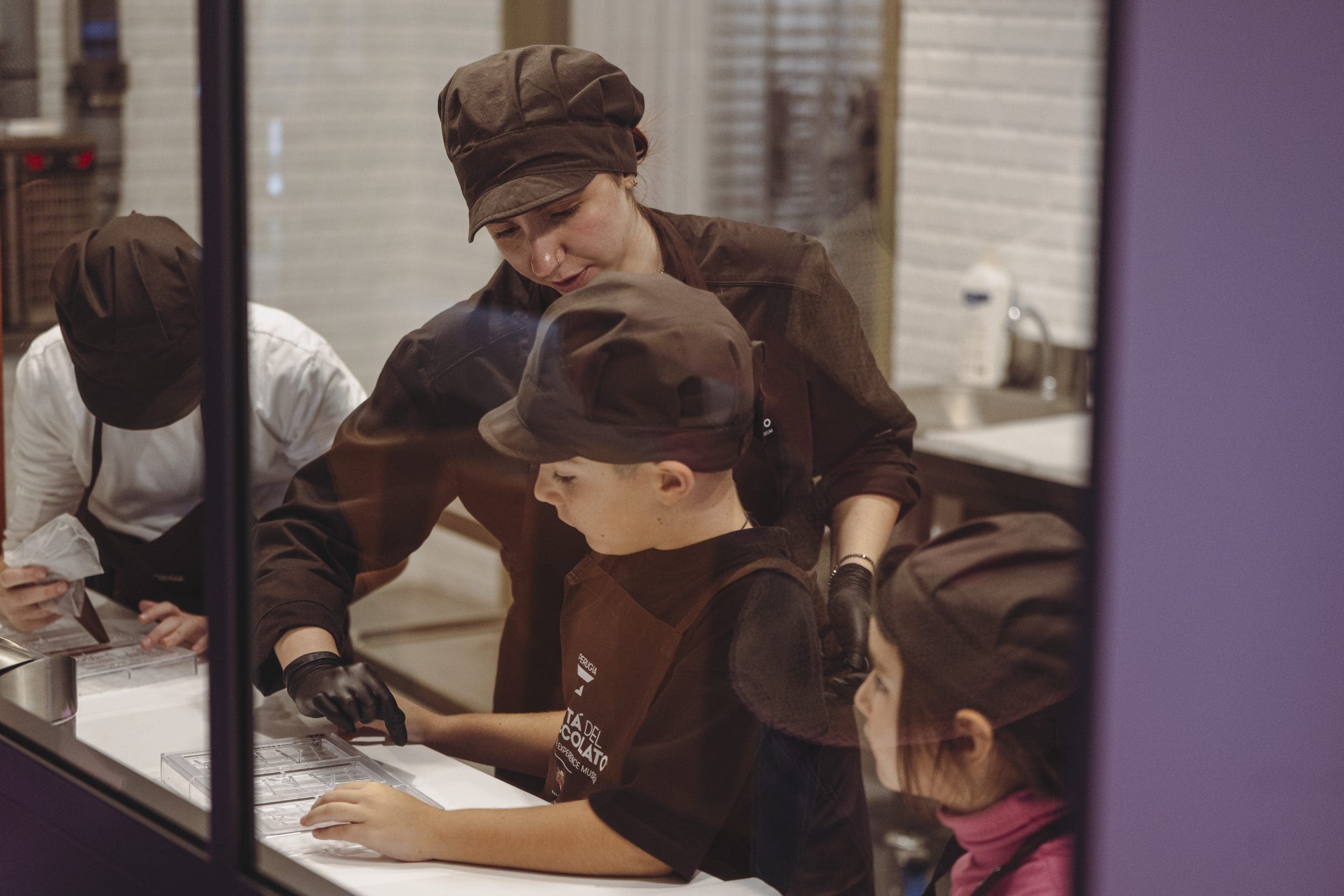
Finally, one of the memorable moments of the museum visit is the Bean to Bar factory, where visitors can follow the entire transformation process from bean to bar, without resorting to semi-finished products. It’s here that the experience ceases to be merely contemplative and becomes a real understanding, made up of machinery, gestures, aromas, artisanal skills, and sensory differences that explain what quality truly means.
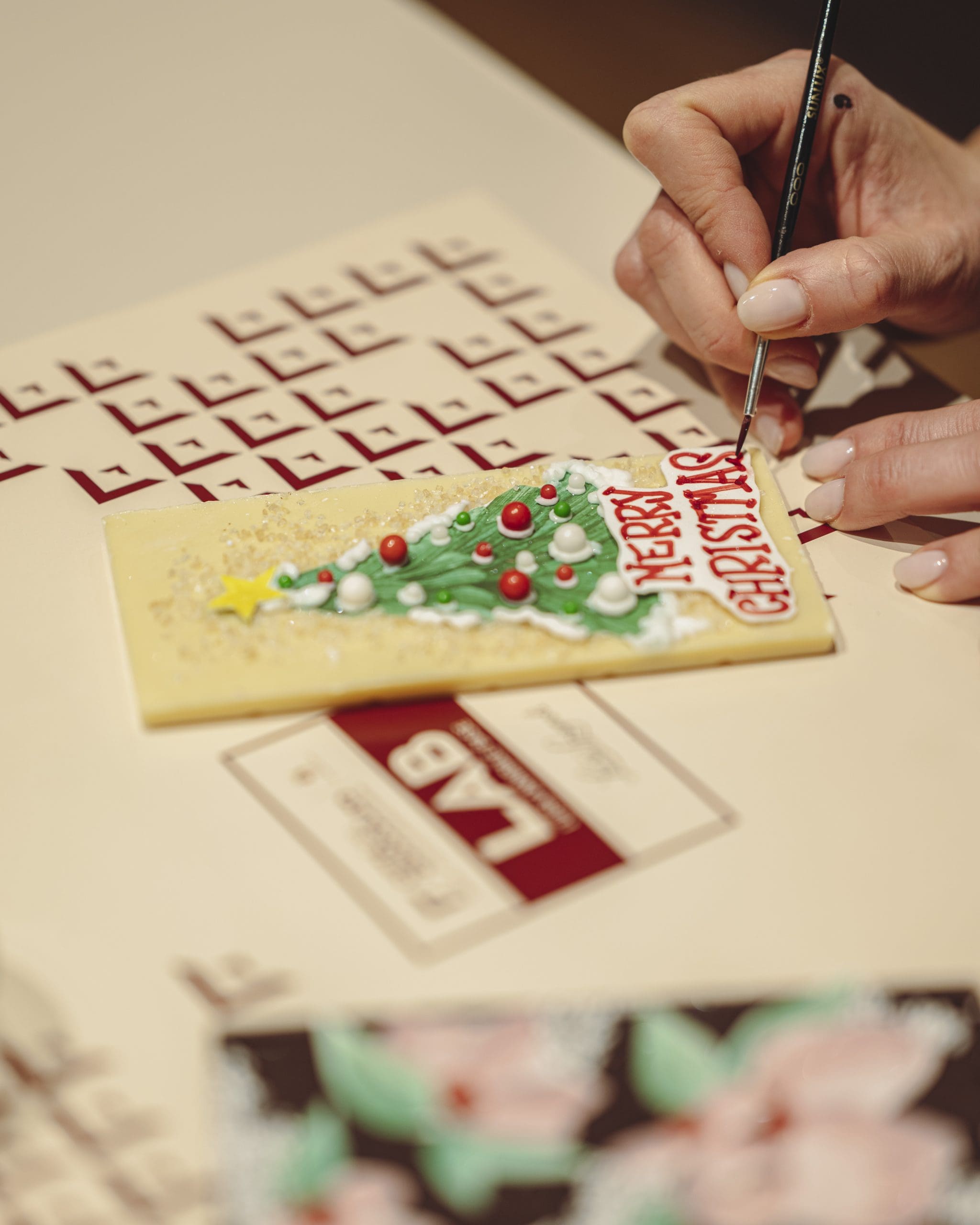
The City of Chocolate, however, is not conceived as a museum: it is a living place, designed to open up to the city and renew itself over time through temporary exhibitions, events, workshops, tastings, and educational activities for schools and families. The idea is to make cocoa a starting point for discussions about regions, supply chains, taste, and awareness.
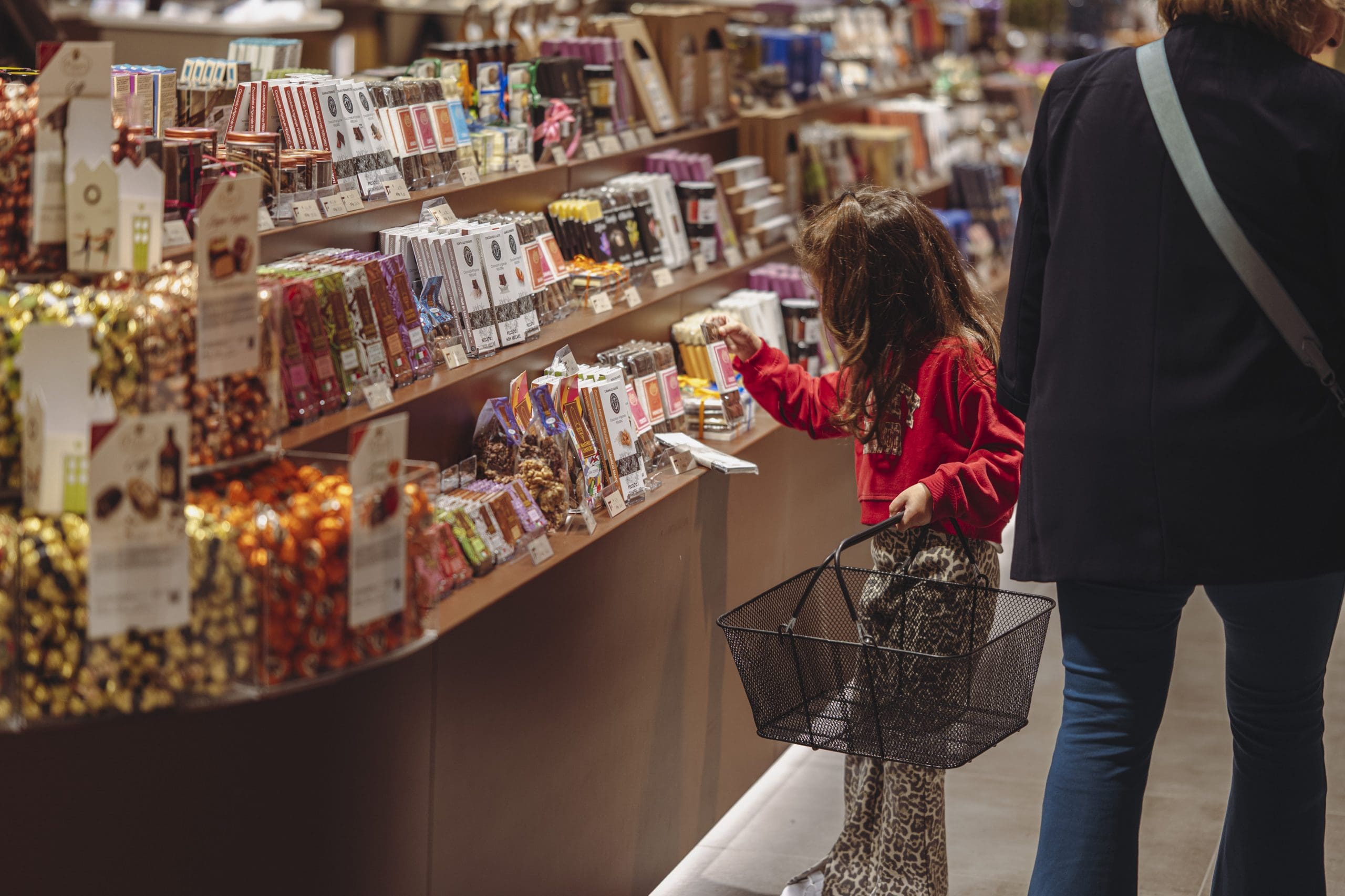
This approach also includes the ChocoShop, accessible without a ticket, which functions as a stand-alone urban stop in the heart of Perugia: a space where the visit can continue in the form of discovery, gifts, and curiosity, with offerings from more than 150 international, European, and Italian brands.
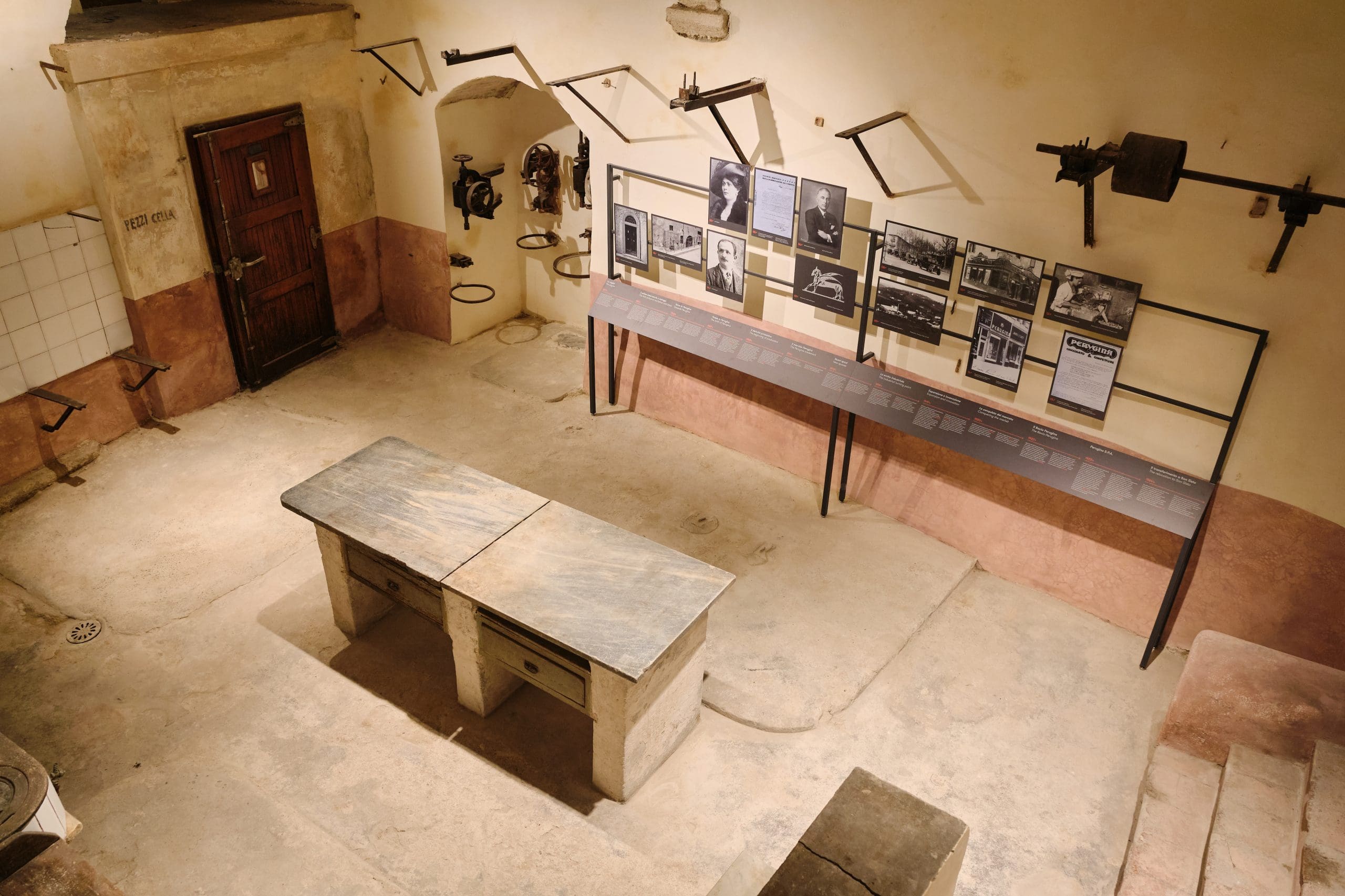
Making the experience even richer is the dialogue with other spaces that are key to the city’s identity, extending the visit beyond the museum. On the one hand, the museum offers access to a surprising and little-known glimpse: the Arcone, a monumental support structure in the Piazza Matteotti area, now reopened to public use with an evocative illuminated passageway. It is a place that adds historical depth to the visit: local tradition also links it to the memory of medieval Perugia and the story of the imprisonment of Saint Francis after the 1202 Battle of Collestrada, transforming a structural element of the city into an unexpected narrative stage. On the other hand, a few steps from the museum, a crucial fragment of the history of Perugian chocolate comes to life: the recovery of the spaces of the first Perugina laboratory dating back to 1907, restored and enhanced as a place of memory and the story of its origins.
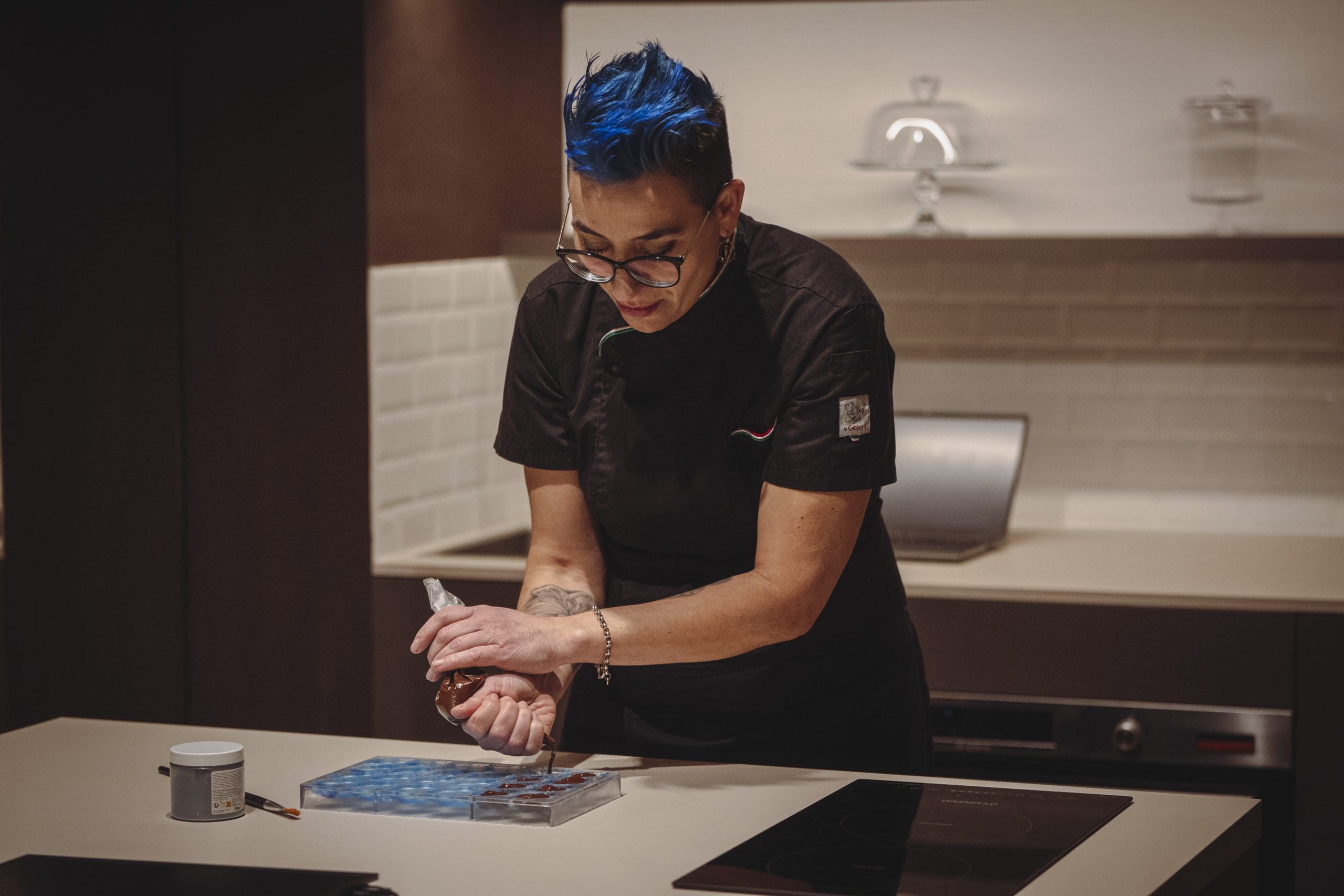
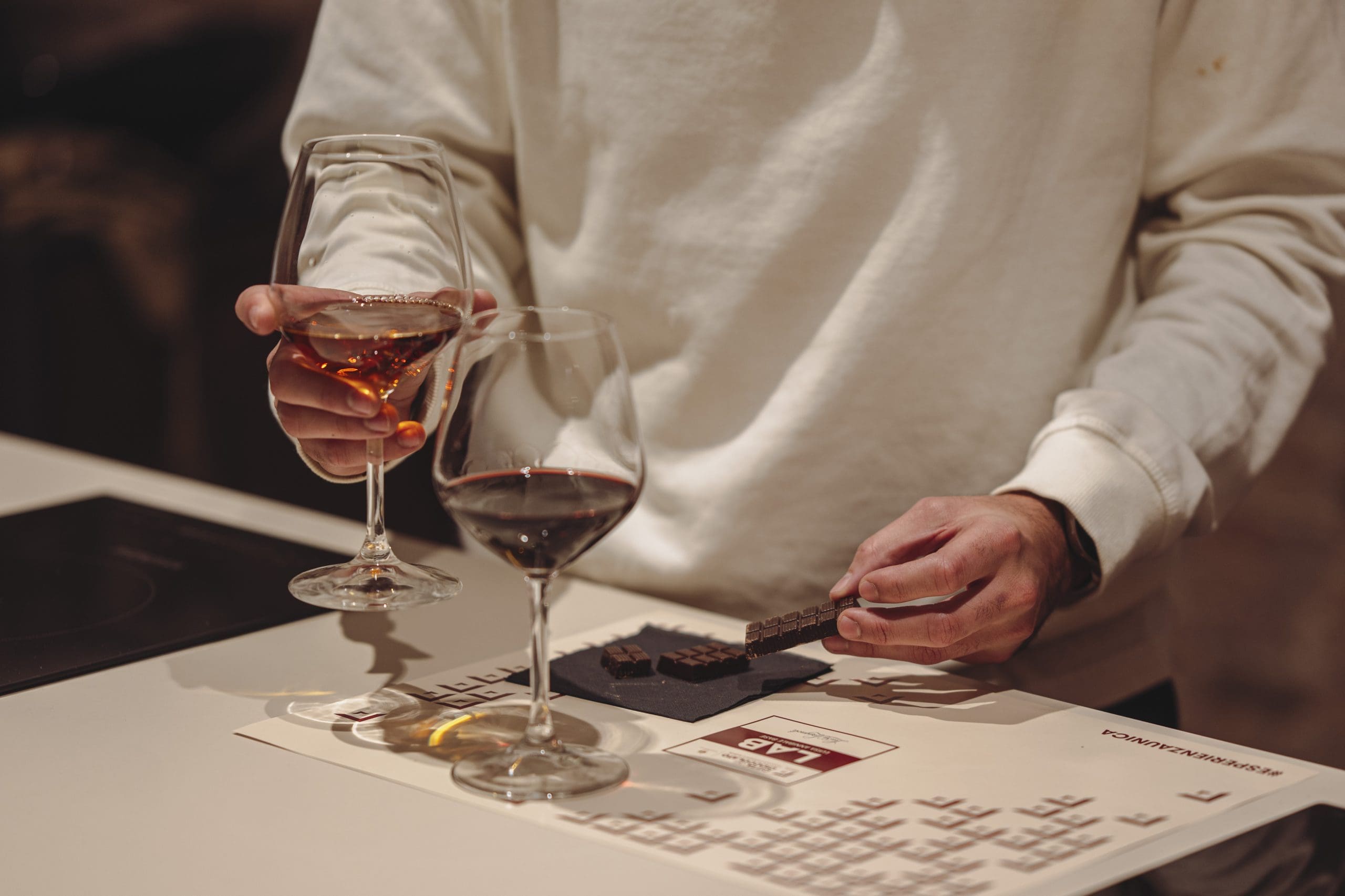
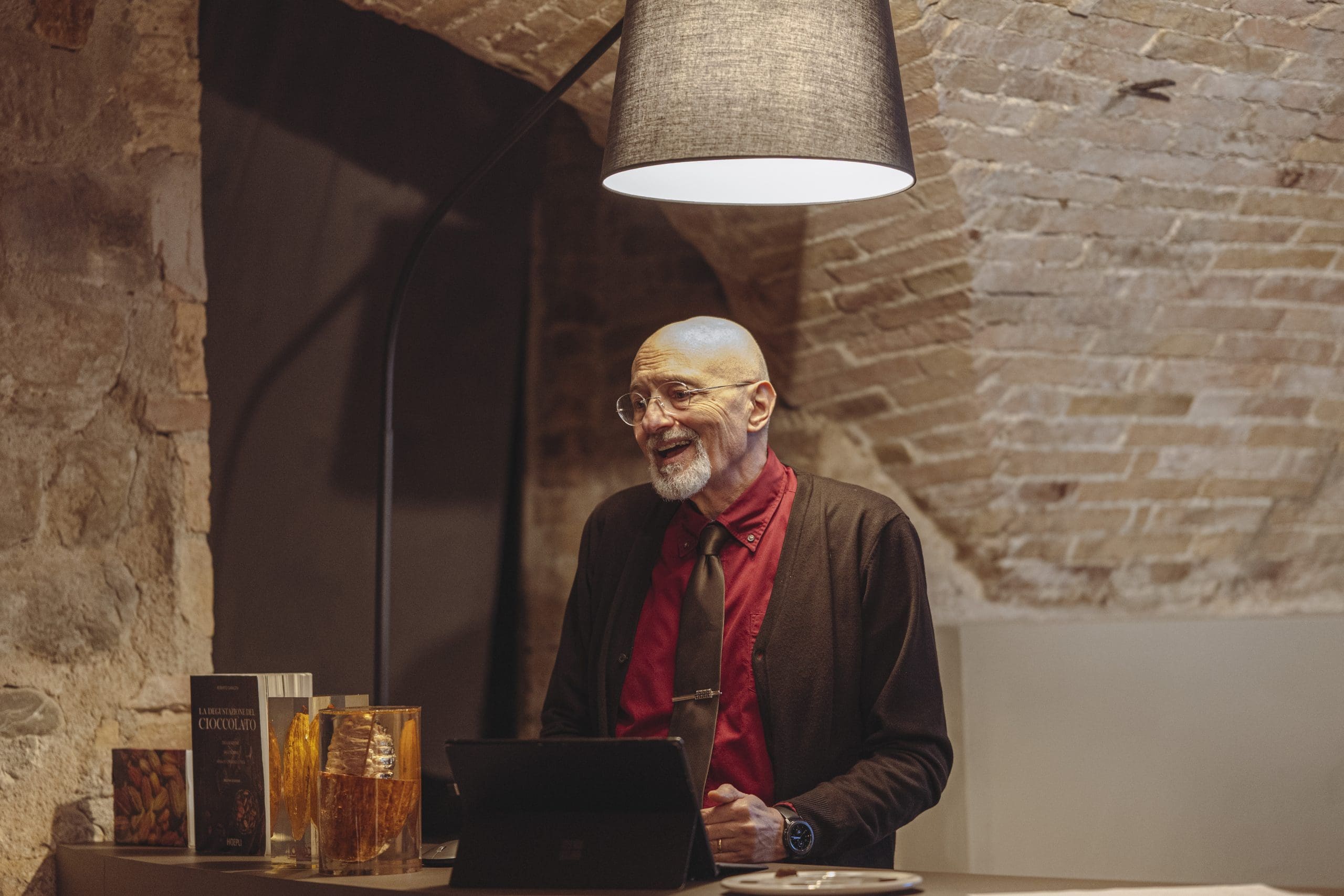
Alongside these historic spaces, LAB – Luisa Annibale Base is also an experiential hub dedicated to meetings, tastings, activities, and in-depth learning opportunities: a space designed to make chocolate happen, not just to tell its story, hosting meetings with professionals, guided tours, and initiatives that focus on gesture, knowledge, and conviviality. Together, the museum, LAB, and historic spaces create a coherent ecosystem: an itinerary that unites story and practice, memory and contemporaneity, city and supply chain, making Perugia understandable through an immediate and universal thread: cocoa.
In short, the City of Chocolate doesn’t simply add an “attraction” to the local offering: it builds a new gateway to Perugia, combining experience, identity, and storytelling in a contemporary format where visitors don’t just see, but learn, taste, experience, and be amazed.
For those visiting Umbria, it’s one more reason to choose Perugia; for those who already know Perugia, it’s a radically different way—more sensorial, more narrative, more immersive—to rediscover it.
 We are waiting for you in Umbria
Gallery