

What to do in Umbria in April? UmbriaSì tells you
Umbria in April dresses up in spring, offering a perfect mix of traditions, spirituality and lush nature.
With Easter coming, this month becomes a special time to discover the green heart of Italy.
Here are our three tips on what to do in Umbria in April

Experience the evocative Easter celebrations
Easter in Umbria is a unique spiritual and cultural experience. Attend religious celebrations in symbolic places such as the Basilica of San Francesco in Assisi or the Cathedral of San Lorenzo in Perugia. In villages such as Gubbio or Orvieto, Easter traditions come alive with historical re-enactments, processions and events that involve the entire community. The Good Friday Procession in Todi, for example, is an evocative and emotional moment.
Immerse yourself in blooming nature
In April, Umbrian nature is at its most splendor. Take a walk through the flowery meadows and olive groves, or explore the paths of Mount Subasio or the Trasimeno Lake Park, where breathtaking views combine with the perfect spring climate. Take advantage of the season for an outdoor picnic or to explore the flowery gardens of historic villas.
Taste the authentic flavors of Easter
Umbrian cuisine celebrates Easter traditions with unique dishes. Don’t miss the Torta di Pasqua, a delicious savory bread to be enjoyed with capocollo and local cheeses, or the classic roast lamb. Visit local markets to discover fresh products and typical sweets such as Ciaramicola, a shortcrust pastry cake covered in meringue and colored sprinkles. Complete your trip with a glass of Grechetto or Sagrantino wine, perfect for enhancing the Umbrian flavors.
 We are waiting for you in Umbria
Città del Cioccolato
In Perugia there is a new destination to experience with all the senses: the City of Chocolate
In Perugia, there’s a new way to experience the historic center: not just by wandering through squares, churches, and views, but by letting yourself be guided by a call that belongs to everyone’s memory: the scent of chocolate.
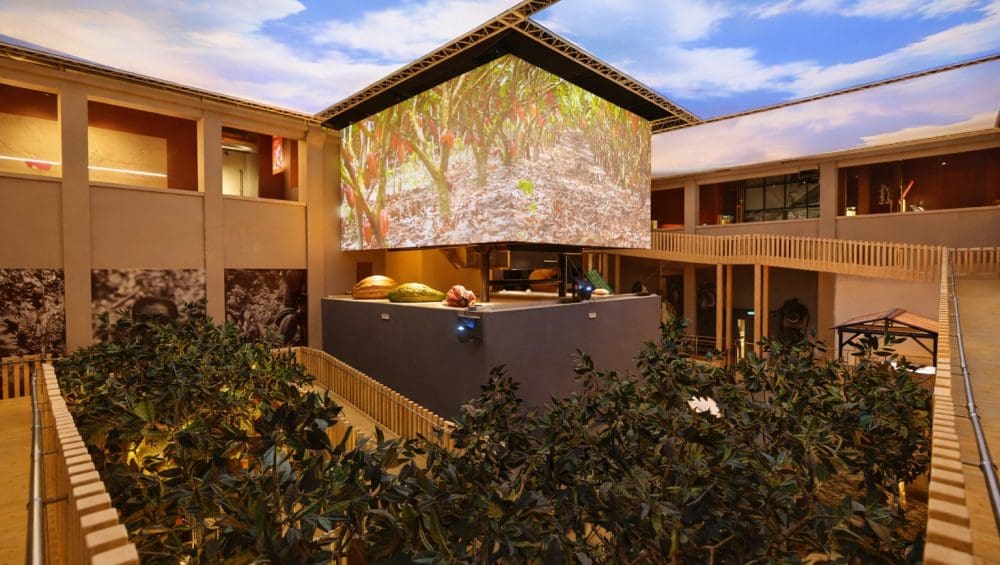
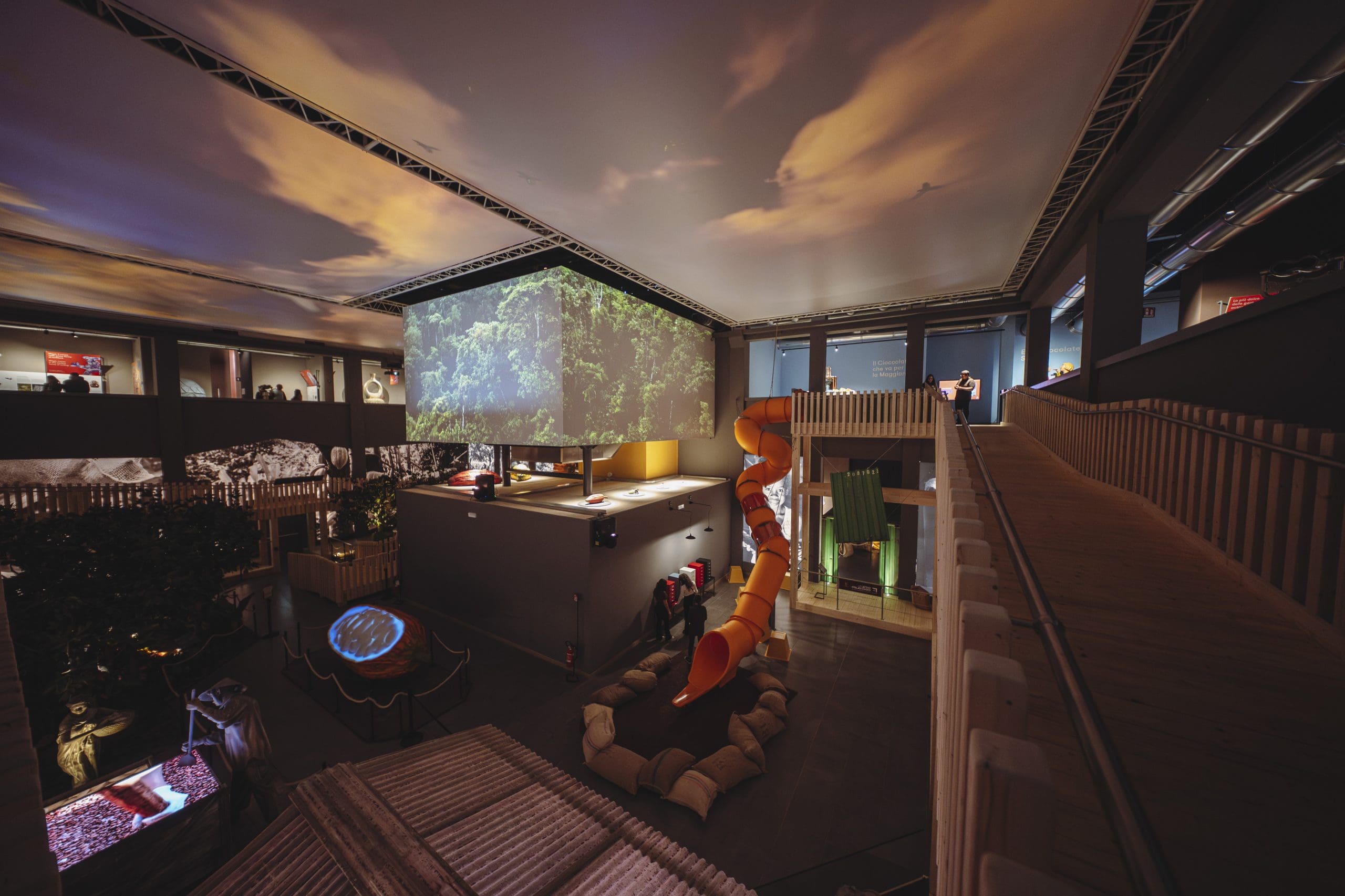
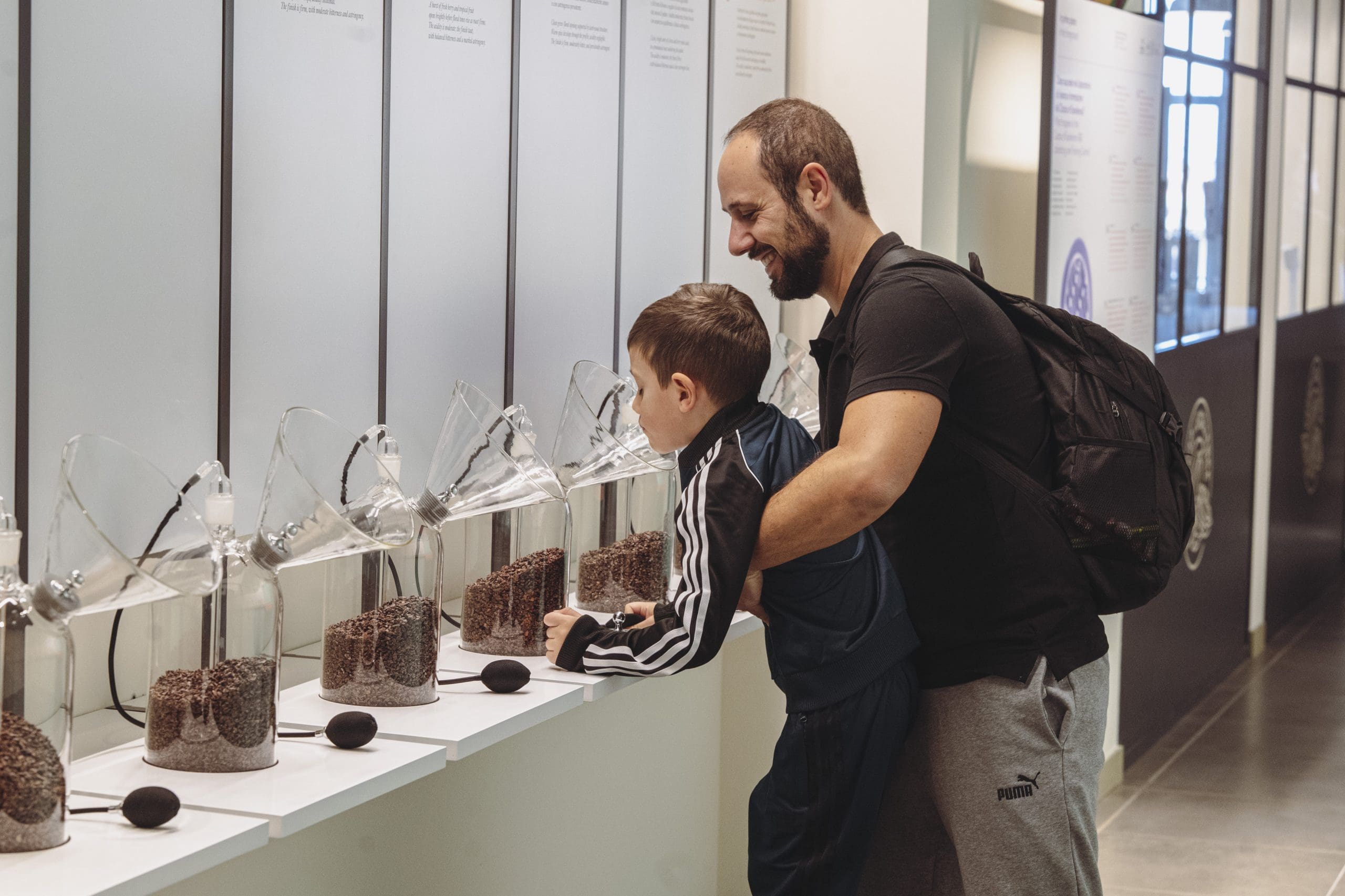
In the heart of the city, the City of Chocolate takes shape, a large experiential museum dedicated to cocoa and chocolate, designed to transform the visit into a cultural and sensorial journey capable of engaging families, couples, food and wine enthusiasts, and curious travelers. It’s no coincidence that this project was born right here: Perugia is historically linked to chocolate and its know-how, and this vocation today translates into a contemporary destination, consistent with the trajectory the city has pursued for years, including through Eurochocolate, an iconic event that for over thirty years has continued to establish itself as the largest international event dedicated to cocoa and chocolate.
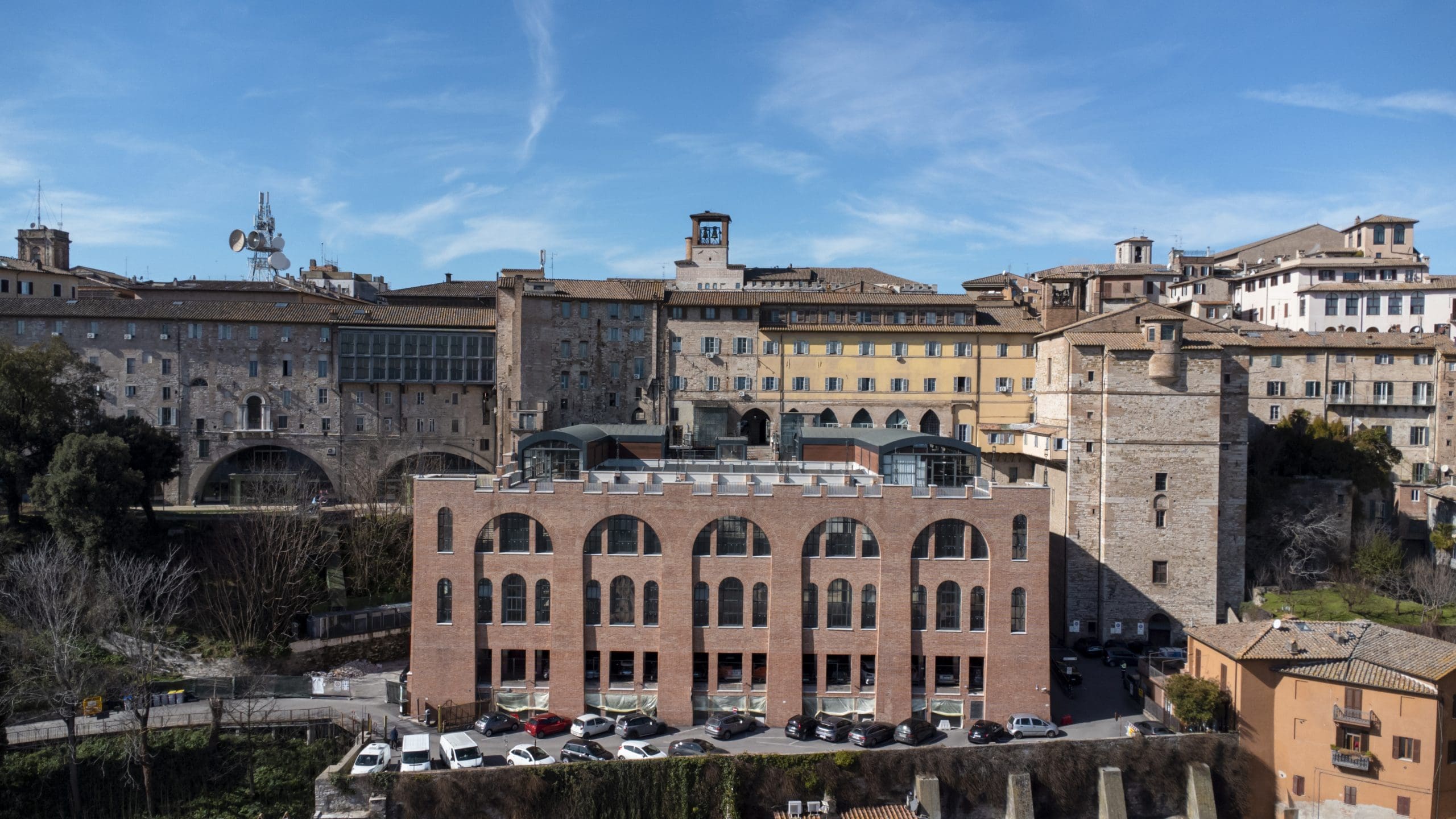
The venue itself is part of the experience: the former Covered Market, one of the city’s iconic urban spaces, just steps from the main cultural itineraries.
Entering the City of Chocolate also means rediscovering a building that for decades served as a meeting place and a hub for exchange, now revitalized as a space for culture, entertainment, and learning.
Across over 2,800 square meters of space, visitors are led on a narrative that begins with Mesoamerican civilizations, traverses the Europe of courts and technical innovations, and reaches the present day, demonstrating how cocoa became the chocolate we know: not just a food, but an economic and cultural phenomenon that intertwines territories, production styles, consumption, imagery, and design.
The museum doesn’t just “tell the story”: it showcases the supply chain, focusing on biodiversity, producing countries, technological transformations, and contemporary issues of sustainability and quality. It uses immersive and multimedia techniques that make the visit accessible and engaging without sacrificing content.
The journey continues in Perugia, recognized as the Italian capital of chocolate: not only for being the birthplace of Perugina and the iconic Bacio chocolate, but also for its ability to combine tradition and innovation thanks to Eurochocolate, celebrating its thirty-second edition this November.
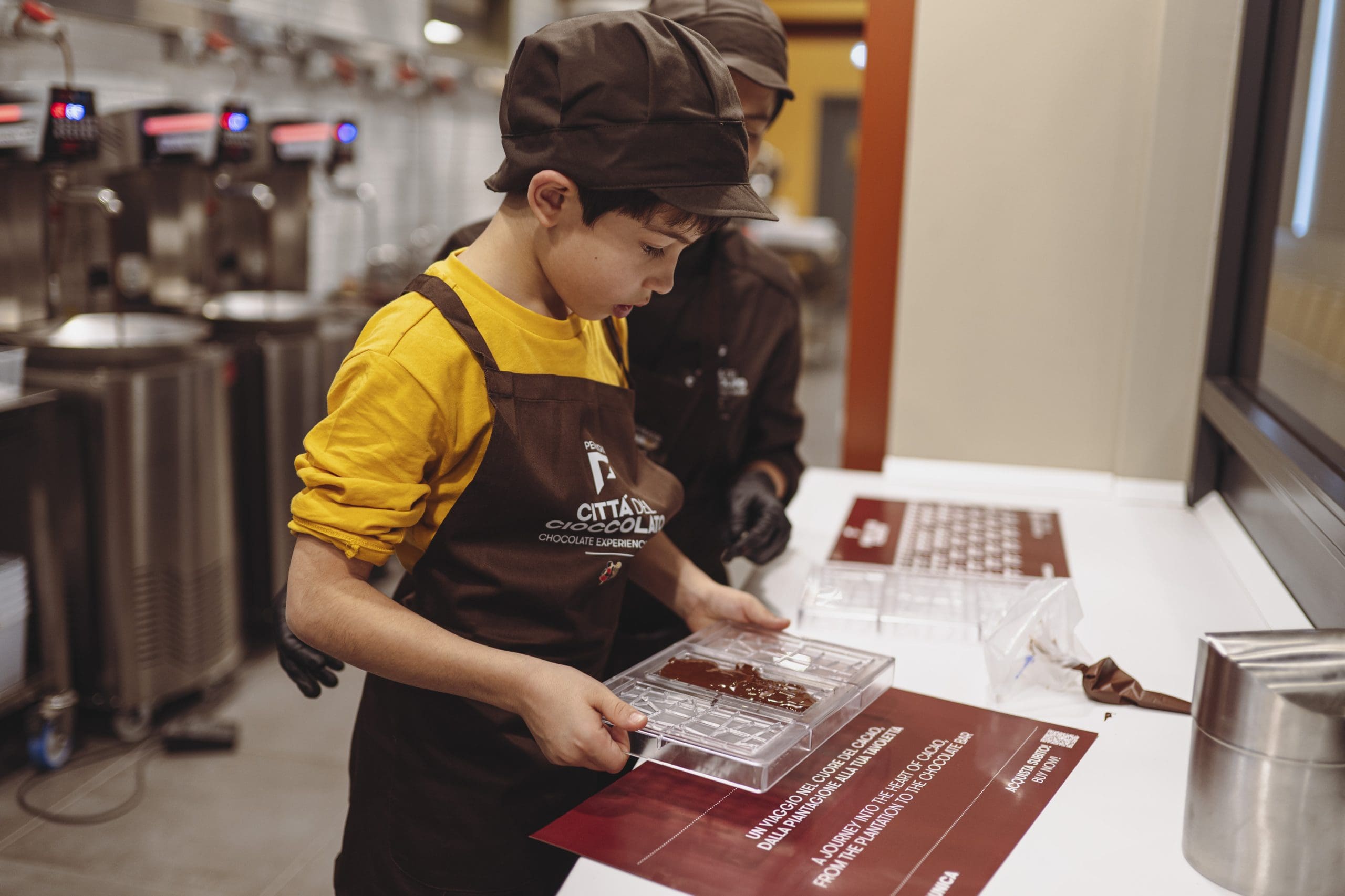
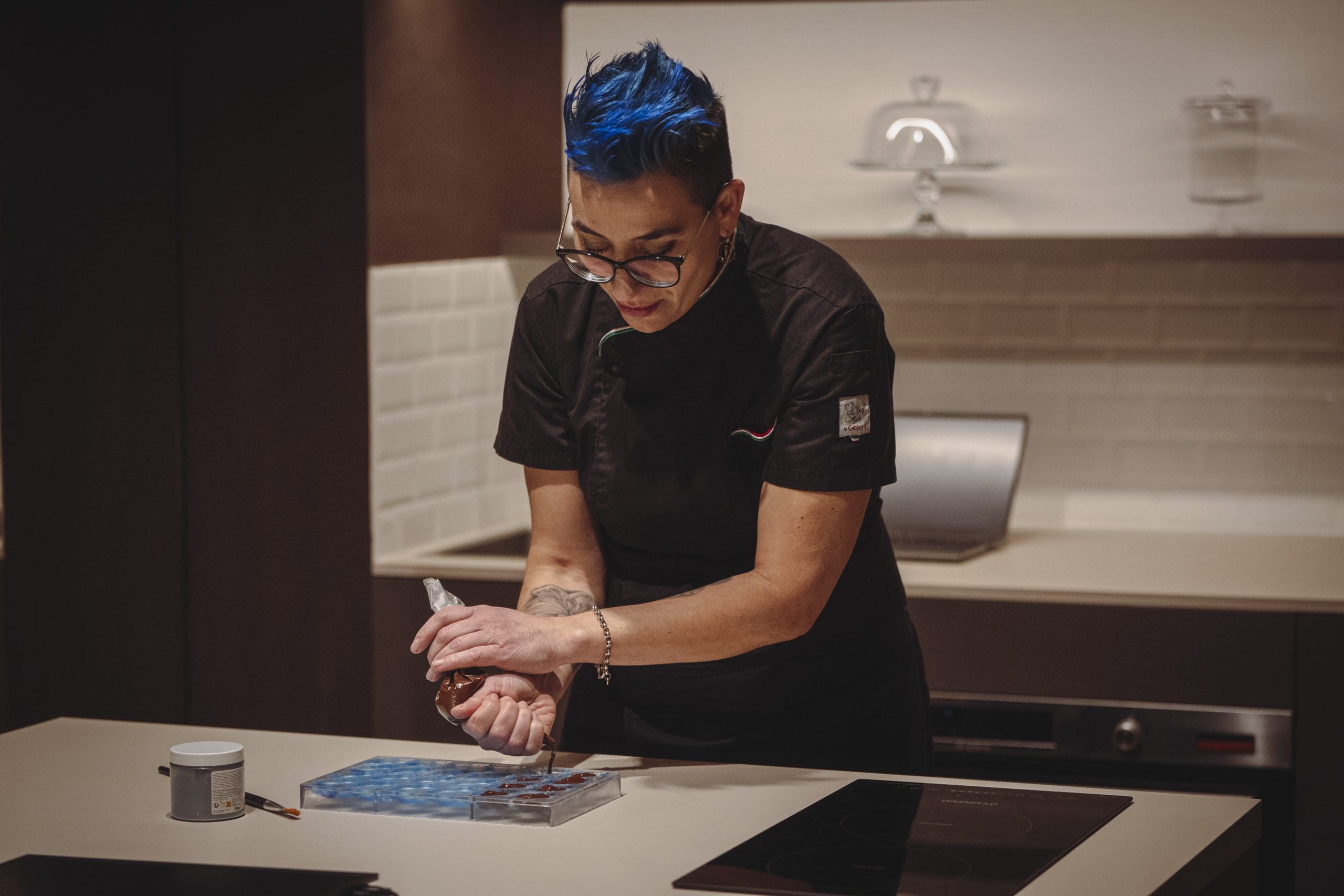
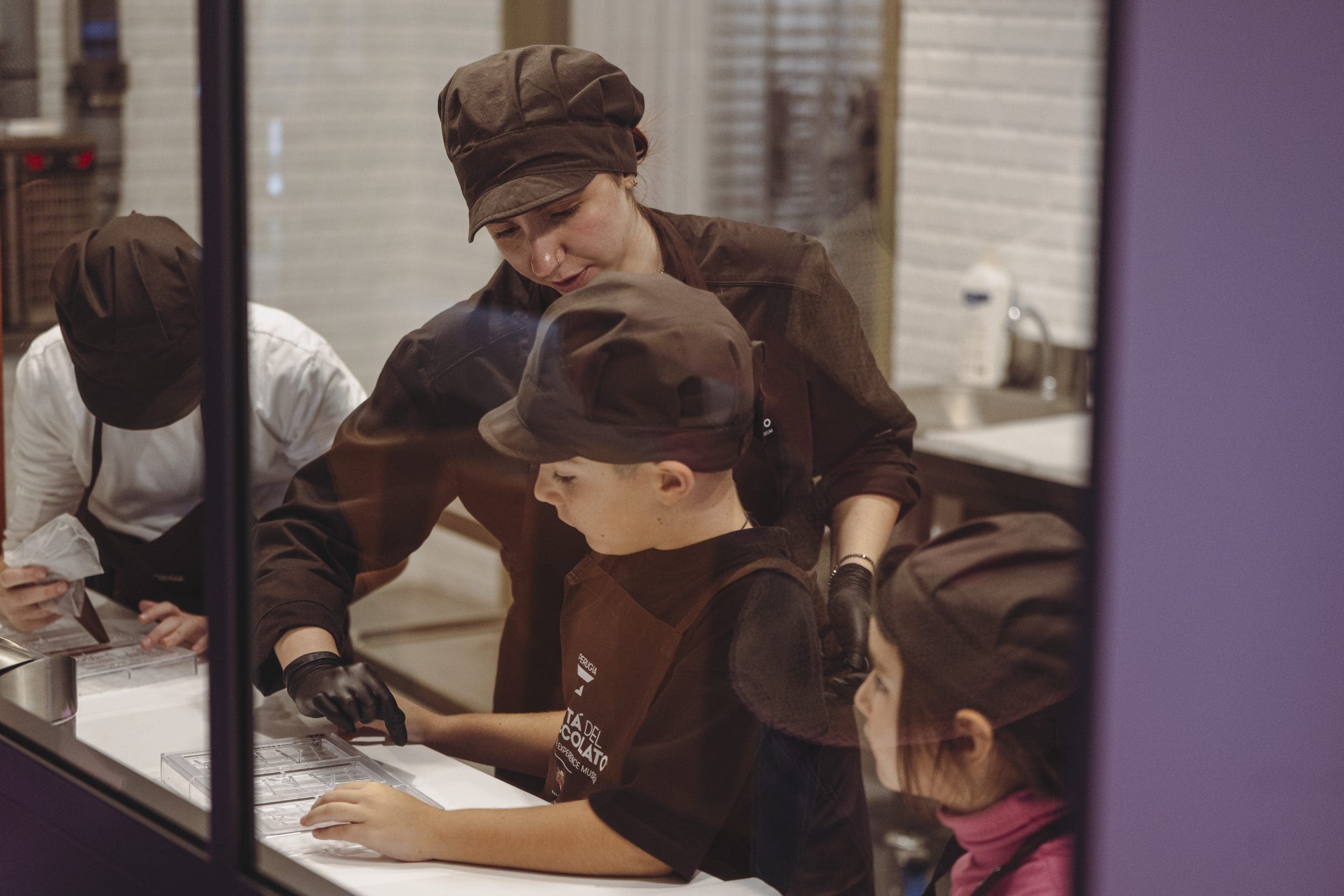
Finally, one of the memorable moments of the museum visit is the Bean to Bar factory, where visitors can follow the entire transformation process from bean to bar, without resorting to semi-finished products. It’s here that the experience ceases to be merely contemplative and becomes a real understanding, made up of machinery, gestures, aromas, artisanal skills, and sensory differences that explain what quality truly means.
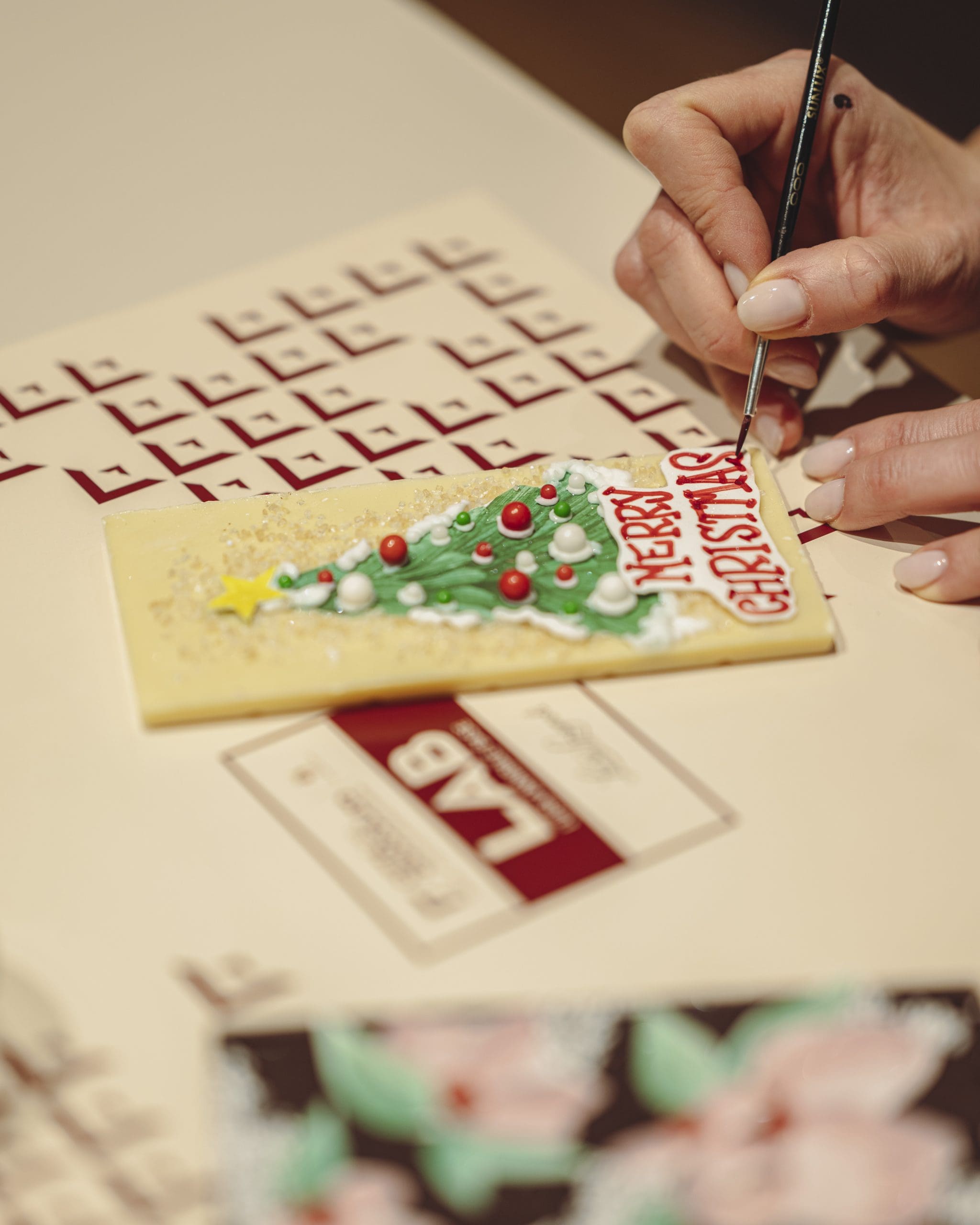
The City of Chocolate, however, is not conceived as a museum: it is a living place, designed to open up to the city and renew itself over time through temporary exhibitions, events, workshops, tastings, and educational activities for schools and families. The idea is to make cocoa a starting point for discussions about regions, supply chains, taste, and awareness.
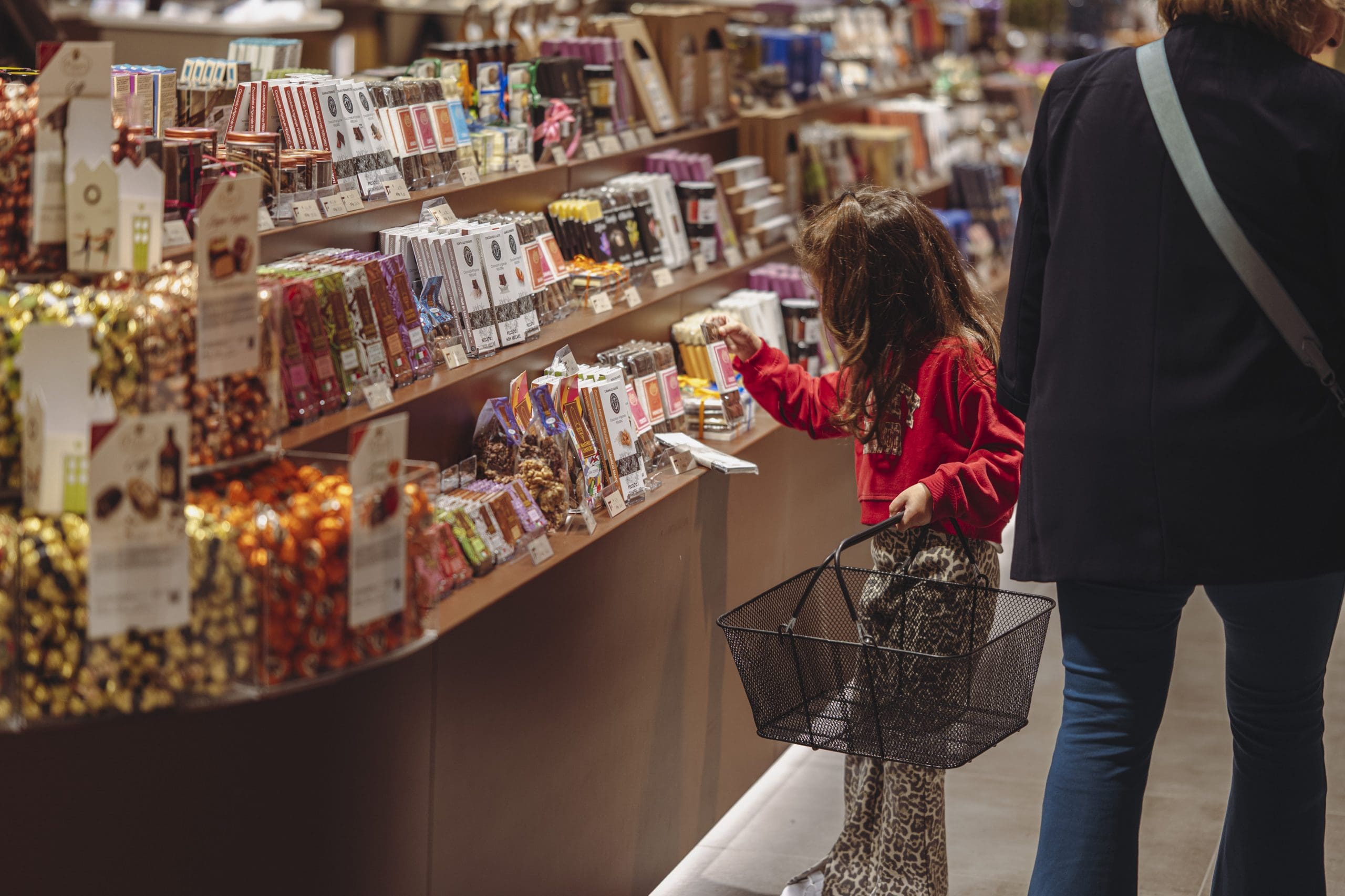
This approach also includes the ChocoShop, accessible without a ticket, which functions as a stand-alone urban stop in the heart of Perugia: a space where the visit can continue in the form of discovery, gifts, and curiosity, with offerings from more than 150 international, European, and Italian brands.
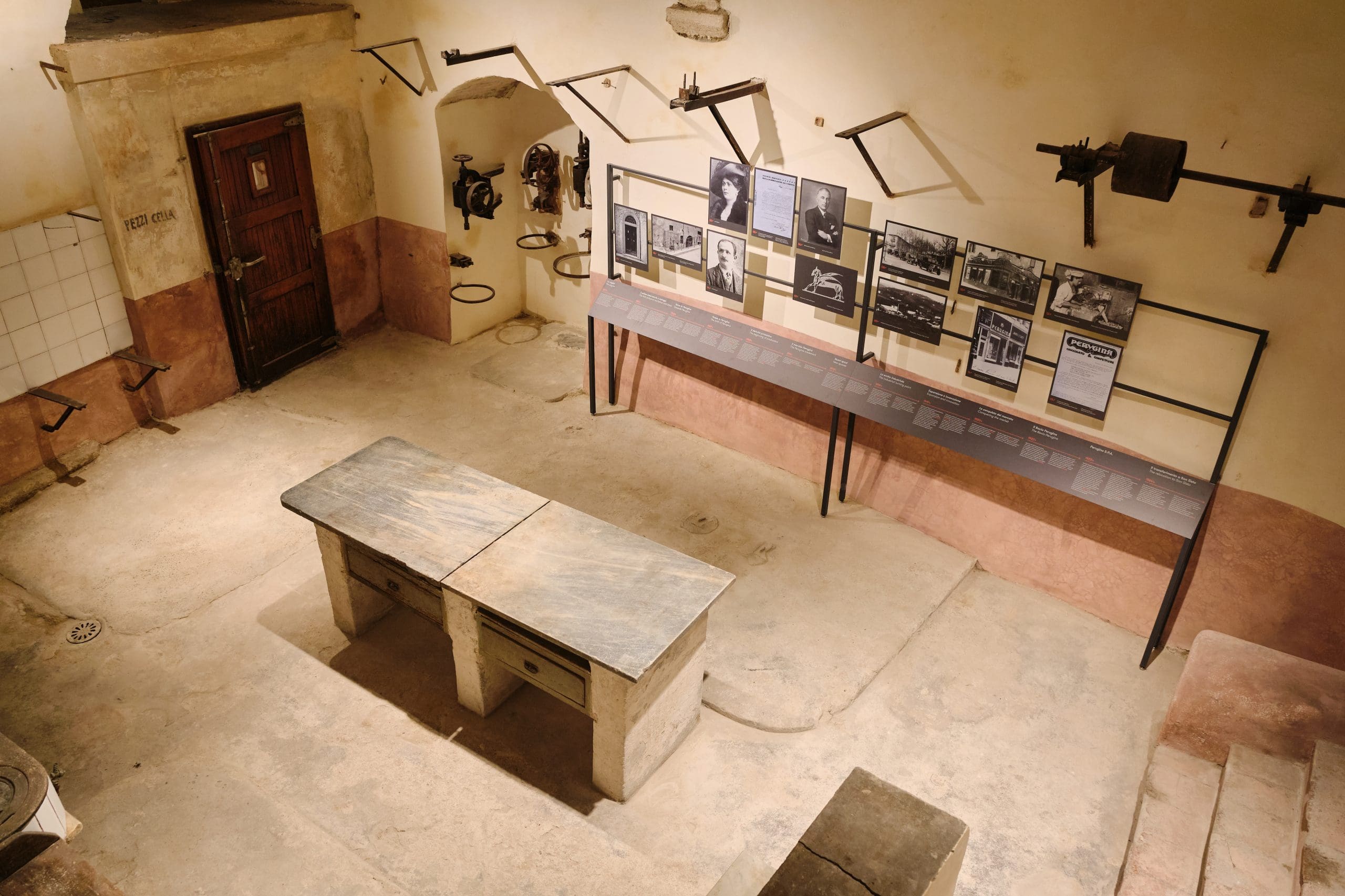
Making the experience even richer is the dialogue with other spaces that are key to the city’s identity, extending the visit beyond the museum. On the one hand, the museum offers access to a surprising and little-known glimpse: the Arcone, a monumental support structure in the Piazza Matteotti area, now reopened to public use with an evocative illuminated passageway. It is a place that adds historical depth to the visit: local tradition also links it to the memory of medieval Perugia and the story of the imprisonment of Saint Francis after the 1202 Battle of Collestrada, transforming a structural element of the city into an unexpected narrative stage. On the other hand, a few steps from the museum, a crucial fragment of the history of Perugian chocolate comes to life: the recovery of the spaces of the first Perugina laboratory dating back to 1907, restored and enhanced as a place of memory and the story of its origins.
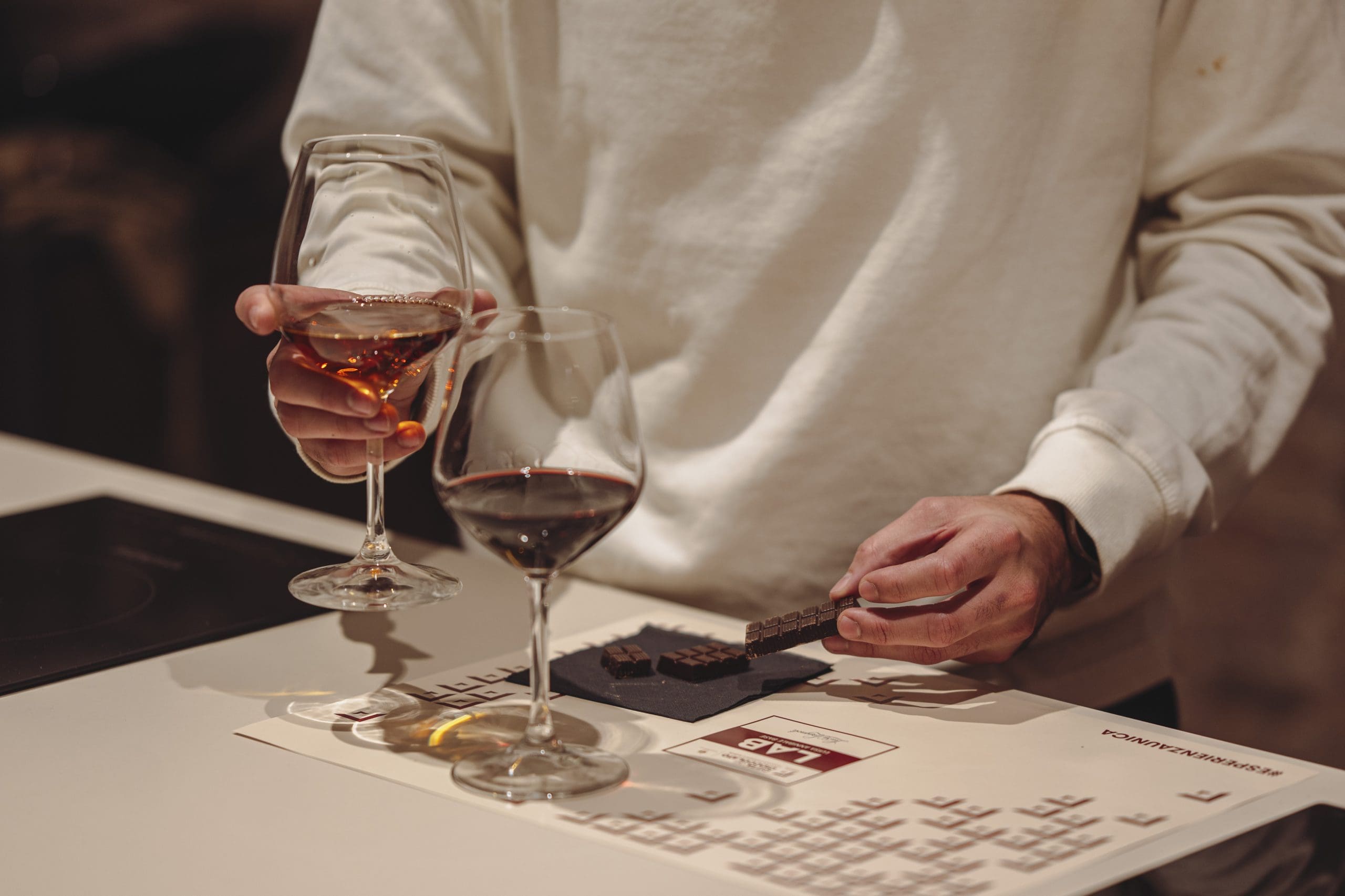
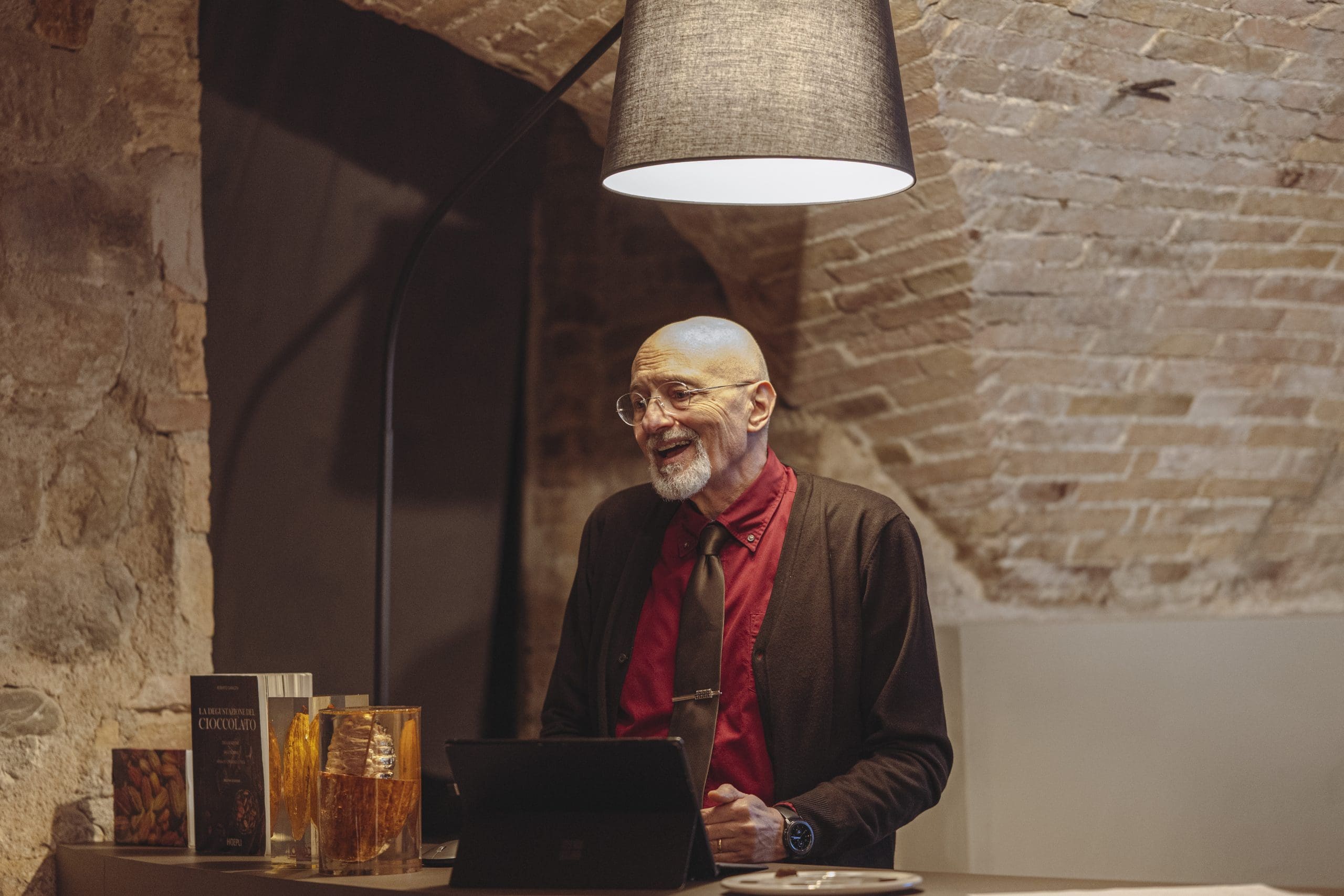
Alongside these historic spaces, LAB – Luisa Annibale Base is also an experiential hub dedicated to meetings, tastings, activities, and in-depth learning opportunities: a space designed to make chocolate happen, not just to tell its story, hosting meetings with professionals, guided tours, and initiatives that focus on gesture, knowledge, and conviviality. Together, the museum, LAB, and historic spaces create a coherent ecosystem: an itinerary that unites story and practice, memory and contemporaneity, city and supply chain, making Perugia understandable through an immediate and universal thread: cocoa.
In short, the City of Chocolate doesn’t simply add an “attraction” to the local offering: it builds a new gateway to Perugia, combining experience, identity, and storytelling in a contemporary format where visitors don’t just see, but learn, taste, experience, and be amazed.
For those visiting Umbria, it’s one more reason to choose Perugia; for those who already know Perugia, it’s a radically different way—more sensorial, more narrative, more immersive—to rediscover it.
We are waiting for you in Umbria
Gallery
Spring in Umbria: Simple Ideas for a Truly Enjoyable Experience
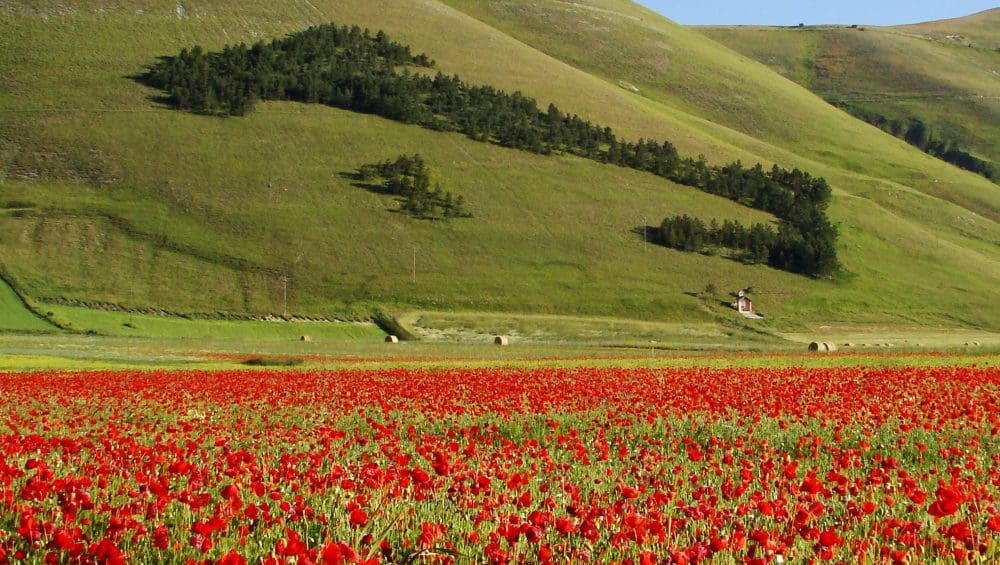
Spring is the time when Umbria changes pace. The days get longer, the villages come back to life, and everything invites you to slow down.
It’s also the ideal time for those seeking:
💚a couple’s trip
💚a few days with the family
💚a break with a small group of friends
Here you’ll find some simple ideas, designed to experience Umbria calmly, without overly rigid plans and without the feeling of “having to see everything.”
Why choose Umbria in spring
In spring Umbria is more authentic. The summer heat hasn’t arrived yet, the crowds are gone, and you can truly enjoy the area.
It’s the perfect time to:
💚 stroll through the villages
💚 stop and chat with the locals
💚 savor local food without rushing
And above all, it’s the right time for stress-free, stress-free travel.
A weekend among villages, nature, and silence
You don’t need to travel constantly to discover Umbria. In fact, often you just need to choose an area and truly experience it.
An ideal weekend can include:
💚 stone villages
💚 scenic trails
💚 free time to stop wherever you like
Perfect for those who want to unplug and rediscover a slower pace.
Authentic food and wine experiences
In Umbria, food is a serious matter, but never ostentatious.
In spring, it’s wonderful to visit:
💚family wineries
💚olive oil mills
💚farms
Simple, authentic experiences that even the youngest visitors enjoy and make the trip more authentic.
Slow and “soft” tourism
Not everyone likes to tire themselves out, running and walking for hours. And that’s perfectly fine.
Umbria offers countless opportunities for:
💚nature walks on foot or by bike
💚short trails that pass through some of the most beautiful villages and towns in the Green Heart of Italy
💚easy routes, suitable for everyone, even the littlest ones
Traveling well also means organizing well
A successful trip is made of simple but wise choices. From where to stay to the experiences you enjoy, every detail counts.
Want to plan your spring in Umbria?
Tell us what kind of trip you have in mind. We’ll help you create a tailor-made experience, designed just for you.
We are waiting for you in Umbria
In Umbria: Winter itineraries among villages and sanctuaries
February is the month in which Umbria invites you to slow down. It’s the heart of winter, when the landscape becomes essential and the places reveal their soul with greater authenticity. In the footsteps of Saint Francis, this is the ideal time to discover a territory made up of hermitages, abbeys, and places of spirituality immersed in nature.
Franciscanism does not live only in the great sanctuaries, but spreads throughout the woods, valleys, and hills. These are places born for listening, prayer, and a simple life, which today offer travelers a slow and mindful tourism experience.
Hermitages and Abbeys: the hidden heart of Franciscan Umbria
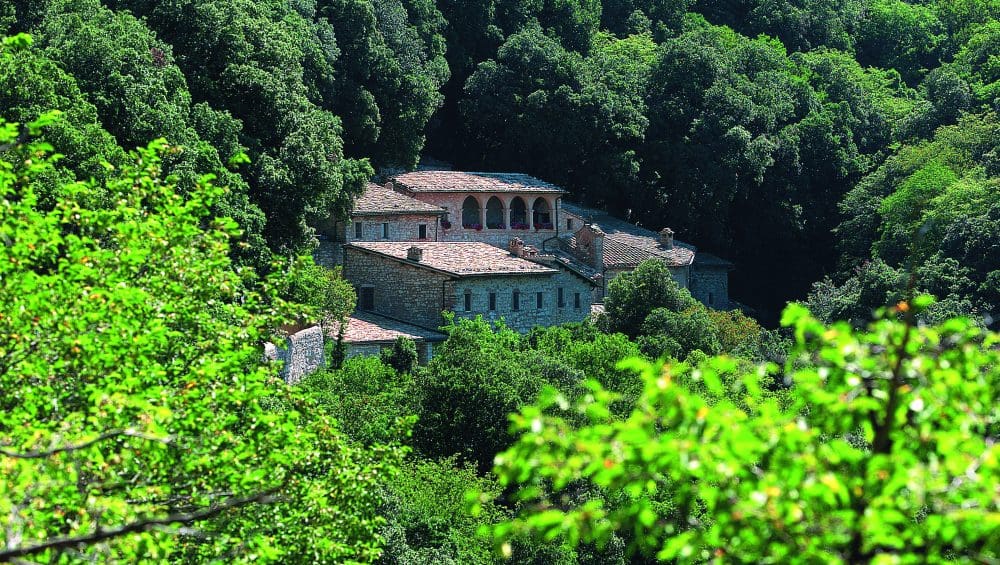
Throughout Umbria, small hermitages and ancient abbeys mark the landscape like discreet yet profound landmarks. Stone structures, often isolated, that interact with the surrounding environment and invite a respectful and leisurely visit.
Places like the Eremo delle Carceri, the Abbey of San Pietro in Valle in Valnerina, or the Sanctuary of Greccio (in the nearby province of Rieti) tell a way of experiencing the sacred that is tied to simplicity and the local area. In February, away from the busiest periods, these spaces reveal their most authentic dimension.
A journey through the territory
Visiting Franciscan Umbria in winter means moving through villages, valleys, and natural areas following an invisible thread of spirituality and landscape. There’s no need for a specific itinerary: every detour can lead to a place of reflection, a hidden monastery, a rural church steeped in centuries of history.
It’s a journey that unites Assisi, the symbolic heart of Franciscanism, with many other local attractions, highlighting a network of lesser-known yet deeply identifiable places.
Choosing February to visit Umbria means experiencing an often overlooked season, yet capable of offering profound and regenerative experiences. Among hermitages, abbeys, and wintry landscapes, the journey in the footsteps of St. Francis becomes an invitation to rediscover the value of slowness and essentiality.
We are waiting for you in Umbria

What to do in Umbria in February? UmbriaSì tells you
February is the month of Valentine’s Day, and Umbria, with its romantic charm and dreamy landscapes, is the ideal destination to celebrate love. Whether you want to surprise your better half or simply live an unforgettable experience, this land knows how to ignite romance.
Here are our three tips on what to do in Umbria in February

Celebrate love in the land of Saint Valentine
Terni, the birthplace of Saint Valentine, transforms into the beating heart of romance during this month. The Basilica of Saint Valentine hosts the evocative Festa della Promessa, where couples can renew their vows of love. In addition, the atmosphere is enhanced by special events, concerts and markets dedicated to lovers. A perfect opportunity to make your Valentine’s Day truly unique, immersed in a historical and romantic setting. Experiences to share: spa and relaxation for couples
February is the ideal month to indulge in moments of pure relaxation together. Choose a stay in one of the spas immersed in the Umbrian hills, where you can enjoy wellness treatments, couple massages and heated pools with breathtaking views. The intimate atmospheres and suggestive views create the perfect context to pamper yourself and share moments of complicity with your other half. A toast to love: tastings in the cellar
Umbria is a land of great wines and in February the cellars transform into ideal places to celebrate love. Many cellars offer exclusive packages for couples, with romantic toasts among ancient barrels and dreamy views. An experience that combines authentic flavors and unforgettable atmospheres. We are waiting for you in Umbria
Saint Francis and the meaning of a new beginning
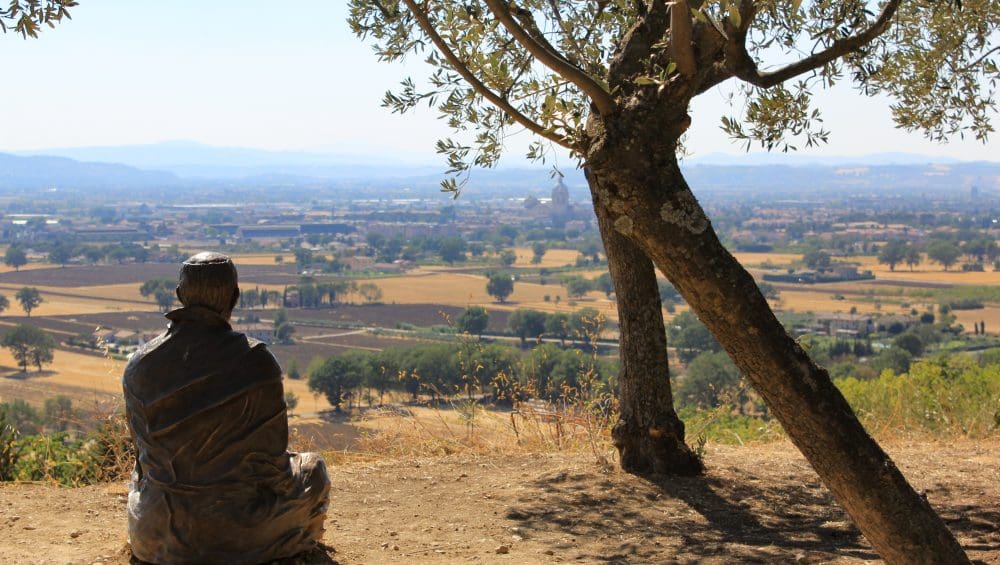
January is the month of silence, of emptier streets, and of clear air enveloping the Umbrian hills. It’s also the ideal time to visit Assisi, when the city of Saint Francis reveals itself in its most authentic and intimate dimension. Far from the crowds, the Franciscan message of beginning again becomes almost tangible.
For Saint Francis, in fact, the beginning did not coincide with the calendar, but with an internal choice: to strip away the superfluous to rediscover the essential. And it is precisely this spirit that makes January a special month for those who come here in search of meaning, beauty, and slowness.
Assisi in Winter: An Intimate Experience
Visiting Assisi in January means experiencing it as a place of the soul. The pink stones of the medieval walls seem to absorb the winter light, the shops move at a calm pace, and time seems to dilate. It’s the perfect context to understand Saint Francis not only as a saint, but as a man on a journey.
A morning stroll to the Basilica of Saint Francis, shrouded in light fog, creates an almost mystical atmosphere. Inside, the frescoes recount a life of ruptures and new beginnings: from the renunciation of his father’s possessions to the birth of a brotherhood destined to change history.
The Franciscan Message of Beginning Again
January is the month of good intentions, and Saint Francis can be a surprisingly timely guide. His “new beginning” was not about accumulation, but about subtraction: fewer things, less noise, more connection. A message that also speaks to the contemporary traveler, increasingly drawn to authentic and regenerative experiences.
Places like the Eremo delle Carceri, nestled in the woods of Mount Subasio, invite silence and reflection. Here, Francis retreated to pray and listen, and even today, visitors can stop, breathe, and rediscover a profound connection with nature and with themselves.
We are waiting for you in Umbria
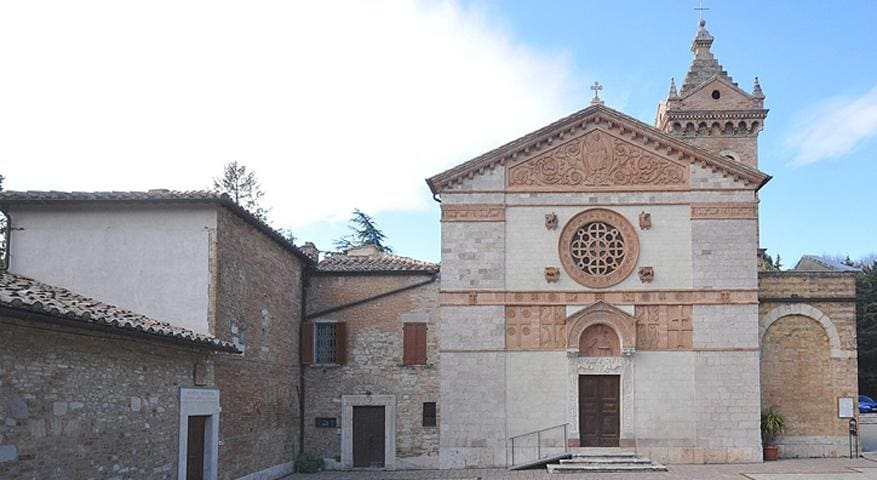
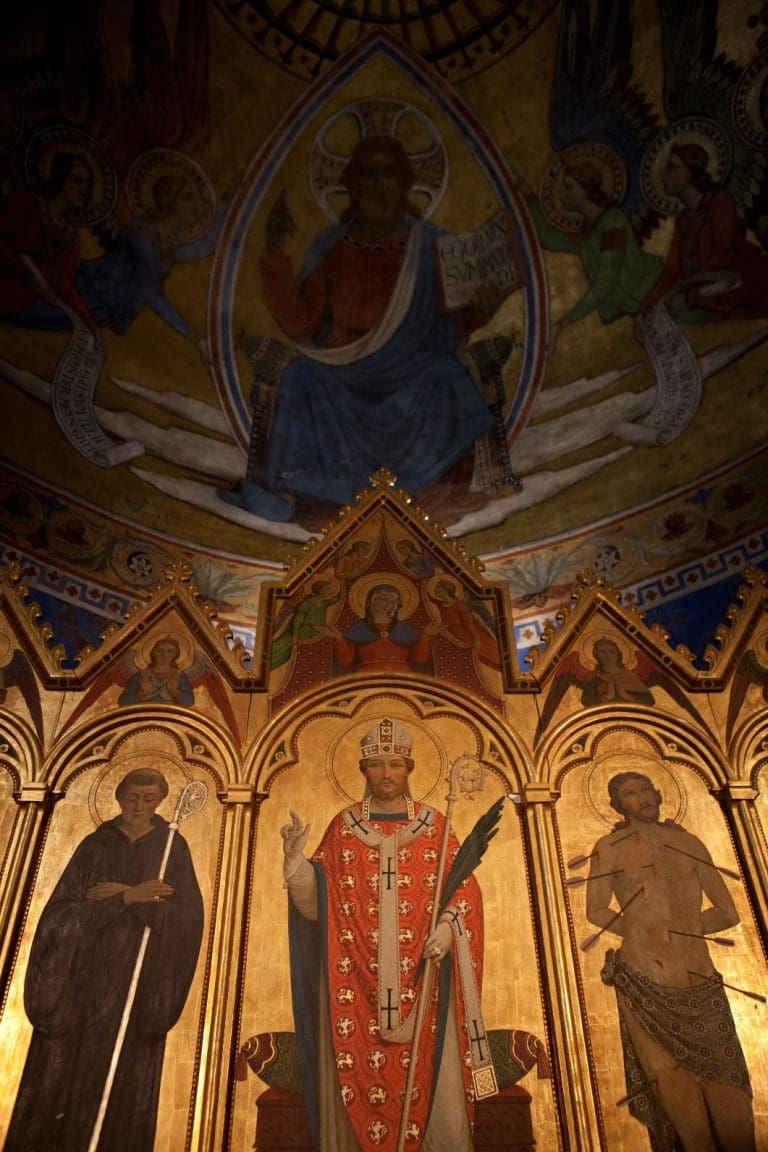
The Story of Saint Costanzo
Il 29 gennaio si festeggia San Costanzo, primo Vescovo e di Perugia e uno dei patroni del capoluogo umbro insieme a San Lorenzo e Sant’Ercolano. La storia della vita di San Costanzo e ciò che ne aleggia intorno è ricco di meraviglia, stupore, fede e misticismo con un pizzico di romanticismo e di dolcezze. Vediamo perché.
On January 29th, Saint Costanzo is celebrated, the first Bishop of Perugia, and one of the patrons of the Umbrian capital, along with Saint Lorenzo and Saint Ercolano. The story of the life of Saint Costanzo and what surrounds it is rich in wonder, amazement, faith, and mysticism, with a touch of romanticism and sweetness. Let’s see why.
Saint Costanzo, the Martyr
In “Mille Santi del Giorno” by Piero Bargellini, a collection of stories about the lives of saints, the description of Costanzo can be traced back to around the 2nd century AD. He was a man dedicated to faith, kindness, and generosity towards the poor, with a strong sense of duty to the Christian Church, especially during the persecutions of Emperor Marcus Aurelius.
It is narrated that Costanzo, under the rule of Marcus Aurelius, was martyred and brutally persecuted: confined in the calidarium (ancient Roman baths) at extremely high temperatures, he miraculously emerged unharmed. He was arrested several times and forced to walk on burning coals, but nothing could shake the faith of Saint Costanzo. Around the year 178, he was arrested again and beheaded in Foligno. His remains were then returned to Perugia, where he found rest in what would later become the first Cathedral of Perugia, outside the gates of San Pietro, now known as the Church of San Costanzo.
The Tradition of the Wink
For lovers of romanticism, here’s a legend that during the celebrations of the Saint, the image of San Costanzo can “wink” at unmarried girls (and virgins according to medieval tradition) who present themselves in the Church where the Saint rests, to inquire if they will marry within the year. Of course, it’s a play of lights and shadows that makes the whole thing magical with a hint of love.
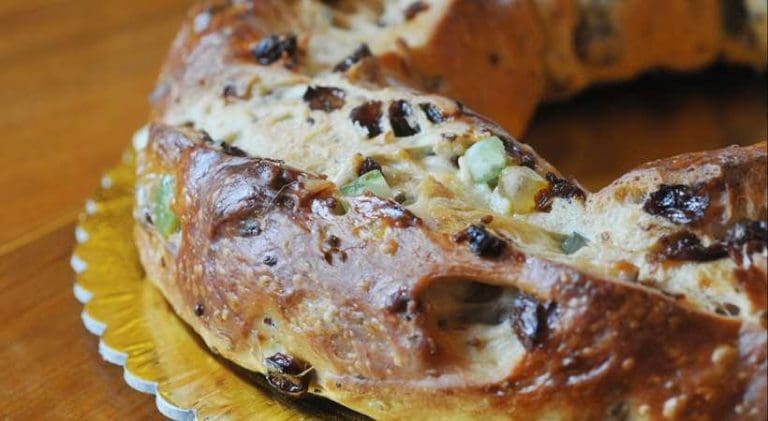
For young ladies without the foresight of a happy event predicted by the Saint, the boyfriend will give them the typical Perugian sweet, especially associated with the Feast of San Costanzo, the Torcolo.
The Torcolo of San Costanzo
The typical sweet of the tradition to celebrate San Costanzo is indeed the Torcolo, behind which many legends and mysteries related to the Saint are hidden, making this sweet still charming and full of history today.
It is handed down, in fact, that the torcolo is shaped like a ring to recall the crown of flowers placed on the Saint’s body after decapitation, or that the hole represents the severed head of the Saint, and finally, that its donut shape refers to the crown removed from the head of the Saint once decapitated. This is why a sweet studded with colored candied fruits, in memory of the precious stones of the crown! The five cuts on the donut can be traced back to the entrances to the five districts of the historic center of Perugia: Porta San Pietro, Porta Sole, Porta Eburnea, Porta Susanna, and Porta Sant’Angelo.
The Torcolo of San Costanzo, despite its great importance during the celebration on January 29th, is a sweet that is now enjoyed in Umbria throughout the year!
Photo Credits
Regione Umbria
Umbria Tourism
Come di Perugia
Pozzo di San Patrizio: a pioneering hydraulic work
It was the year 1527 when the Florentine architect Antonio da Sangallo the Younger was commissioned to build a Well in the heart of the city of Orvieto, a work that would later prove to be a real pioneering and avant-garde enterprise.
The task was ordered by the then Pope Clement VII, during the Sack of Rome, who wanted to give the city that gave him refuge (after having arrived there disguised as a greengrocer), a supply of water that was always available, especially during difficult periods such as sieges (or famines). A medal was also minted later, now kept in the Vatican Museums, with the engraving “ut populus bibat” – “for the people to drink”.
Initially the Pope had imagined the Pozzo for use in the fortified fortress of the Albornoz Fortress (hence the name “Pozzo della Rocca”). We have to wait for the 1800s for the current name Pozzo di San Patrizio.
Renaissance avant-garde
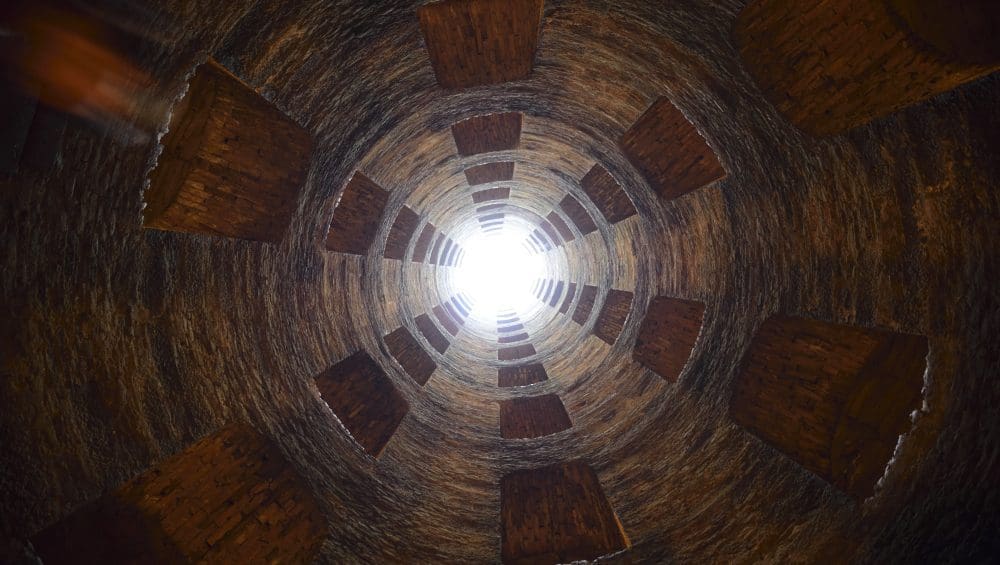
The architect Sangallo designed the cylindrical well, 58 meters deep, starting and taking inspiration from the spiral staircase of the Villa del Belvedere in the Vatican with a helicoidal design of steps (248) designed so that no traffic jams were created. and in fact whoever went down and whoever went up had their own “way” free, especially those who went there with mules.
There are 72 windows that illuminate the well until it reaches the semi-darkness in depth, where there is a small bridge connecting the two stairways.
The Well, completed in 1537, was built by digging into the tuff (Orvieto is famous precisely for its tufaceous soils and tuff tunnels where many famous Orvieto wines are kept and refined today) and then into the clay up to the aquifer of natural origin.
At the entrance you read “quod natura munimento inviderat industry adiecit – what nature had not given, industry procured”, a clear celebration of human ingenuity at the service of nature.
The Well and Ireland
As mentioned, the name Pozzo di San Patrizio, arrived in the 1800s at the behest of the friars of the Convento dei Servi who were aware of the legend of the “Irish saint”, St. Patrick, guardian of a cave so deep that it did not have a bottom enough to be recognized as St. Patrick’s Purgatory (and once it reached the bottom by overcoming the “tests” it was then possible to enter Paradise) and that the well was even connected to Ireland, where the Saint did the work of evangelization, and often found in the Well a time for reflection and prayer. Thus it was that the Pozzo became a sacred rather than a military destination. Today a tourist and cultural destination of great impact and emotion.
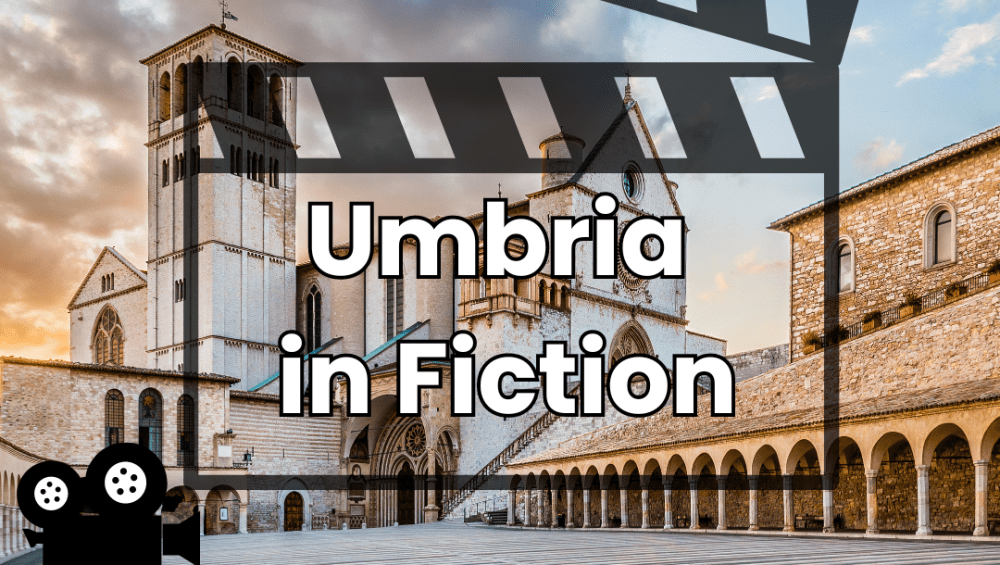
Umbria in Fiction
L’Umbria da Fiction
Benvenuti in Umbria, nel cuore verde dell’Italia, una Regione che incanta con la sua bellezza naturale e il suo fascino storico. Ma c’è qualcosa di magico nell’Umbria che va oltre i suoi paesaggi mozzafiato e le sue città medievali: è il luogo dove la magia del cinema e della televisione prende vita!
In questo viaggio cinematografico, esploreremo i luoghi incantati dell’Umbria che sono servito da sfondo per film e fiction, portando sullo schermo la ricchezza della sua cultura e della sua storia.
Città della Pieve e “CARABINIERI”
Città della Pieve caratterizzata dai suoi edifici in mattoni rossi e situata al confine tra l’Umbria e la Toscana, è stata forse la prima location in Umbria a fare da sfondo per avvincenti inseguimenti tra criminali e carabinieri, nella Fiction “Carabinieri” e che ha fatto da trampolino di lancio nella carriera da attori come Manuela Arcuri, Martina Colombari, Lorenzo Crespi…
La caserma dei carabinieri è stata collocata in via Maddalena 34 in un istituto tecnico.
Il celebre Bar Pippo, frequentato dai protagonisti della fiction, si trova invece in Piazza Matteotti, ed è ancora oggi attivo.
Assisi e “CHE DIO CI AIUTI”
Assisi è stata la protagonista delle ultime stagioni della celebre fiction Rai “Che Dio ci aiuti”.
Girovagando per le strade della città, è possibile identificare gli edifici storici di Assisi che fungono da cornice alle avventure di Suor Angela, interpretata dall’attrice Elena Sofia Ricci, che attraversa il centro storico a bordo del suo ormai iconico pulmino blu. Location delle riprese sono state anche la maestosa Basilica Papale di San Francesco, la Basilica di Santa Chiara e la Cattedrale di San Rufino. Molti dei dialoghi tra Suor Angela e Suor Costanza, interpretata dall’attrice Francesca Chillemi, sono state girate, per esempio, nella chiesetta di San Giacomo de Muro Rupto.
Perugia e “LUISA SPAGNOLI”
Perugia, la pittoresca capitale dell’Umbria, è stata il set per numerose produzioni cinematografiche e televisive: una tra queste, trasmessa nel 2016, è la serie televisiva dedicata a Luisa Spagnoli (ne avevamo parlato qui), imprenditrice lungimirante e creatrice del marchio di moda che porta il suo nome e del famoso Bacio Perugina, il cioccolatino con la nocciola ideato insieme al marito Francesco Buitoni.
La scenografia si è sviluppata soprattutto in piazza IV Novembre, tra la Cattedrale di San Lorenzo, la Fontana Maggiore e Palazzo Priori. Luisa Spagnoli, interpretata dalla bellissima e bravissima Luisa Ranieri, ha sfoggiato eleganti abiti d’epoca mentre percorreva Corso Vannucci, il corso principale di Perugia ma anche le suggestive scalette di Sant’Ercolano
“DON MATTEO” tra Gubbio e Spoleto
Gubbio, con le sue case di pietra e i vicoli stretti, è un vero tesoro medievale che ha attirato registi di tutto il mondo. La città è stata utilizzata come primo set per il film “Don Matteo”, prima di passare. Gubbio offre un’atmosfera autentica che ha reso la serie ancora più coinvolgente per gli spettatori. A Gubbio, in particolare, sono stati utilizzati la Chiesa di San Giovanni per la canonica e la chiesa della Fiction. Nella Piazza Grande, di fronte al Palazzo dei Consolo, invece, si trovata la caserma del maresciallo Cecchini, dove è ancora posizionato il tavolo delle partite a scacchi tra Don Matteo e il Maresciallo. Le famose passeggiate in bicicletta di Terence Hill – DON MATTEO, sono girare in Via Savelli, Via Piccardi e Via Baldassini.
A Spoleto, invece, la maestosa Cattedrale di Santa Maria Assunta, conosciuta anche come Duomo di Spoleto, è la location iconica della serie. Questo capolavoro di architettura romanica ospita opere d’arte straordinarie e rappresenta uno dei luoghi più sacri della città. Nella trama di “Don Matteo”, la cattedrale ospita la Canonica, la Caserma dei Carabinieri e il Parlatorio.
Poco distante si può ammirare Piazza della Signoria dove sono state girate molte scene della Fiction. Palazzo Bufalini è stato utilizzato per le riprese in esterna della Caserma dei Carabinieri.
L’Umbria è molto più di un’incantevole regione italiana: è un mondo di possibilità per cineasti e registi che desiderano catturare la sua bellezza e il suo fascino senza tempo. Esplorare i luoghi dove sono stati girati film e fiction in Umbria è un modo affascinante per scoprire la regione da una prospettiva unica, attraverso gli occhi dei creatori cinematografici che hanno reso questi luoghi indimenticabili sul grande e piccolo schermo.

What to do in Umbria in January? UmbriaSì tells you
When the hustle and bustle of the Christmas holidays dies down, January becomes the perfect month for a holiday dedicated to relaxation and discovery. Umbria, with its quiet villages, winter landscapes and authentic flavors, offers a unique experience to start the year in the best way.
Here are our three tips on what to do in Umbria in January

Discover the beauty of winter nature
The Umbrian hills, woods and natural parks are tinged with winter shades in January, offering breathtaking landscapes and a magical atmosphere. Explore the trails of Mount Subasio or the Trasimeno Lake Park, where the quiet of the season allows you to connect with nature in an authentic way. If you are a photography lover or simply seek peace and silence, the Umbrian winter panoramas will surprise you.
Unique Art and Culture Experiences
January is the perfect time to indulge in cultural visits without the crowds. Discover Umbria’s artistic masterpieces, such as Giotto’s frescoes in the Basilica of San Francesco in Assisi or the works of Pinturicchio and Perugino preserved in local museums. Exploring Umbrian art in winter is an intimate experience that allows you to fully appreciate the region’s rich history and culture.
Rediscover artisan traditions
Umbria is also the land of ancient artisan traditions that, in winter, can be experienced in a more authentic way. Visit the textile workshops, where hand-crafted work creates unique works, or discover hand-painted ceramics, a symbol of local excellence. An immersive experience that allows you to take home a piece of Umbrian culture and appreciate the passion that animates master craftsmen.
We are waiting for you in Umbria
Commenti recenti
- A Taste of Umbria 5
- Accomodations 111
- Activity 12
- Attività 13
- Blog 49
- Christmas in Umbria 5
- Consigli 16
- Culture 13
- Events in Umbria 2
- Experiences 26
- La Contessa: a door between land and sea 34
- Mystic Umbria 5
- News 12
- Olive oil experiences 1
- Outdoor 3
- Packages 22
- Recipe 8
- Taste 10
- Tips 15
- Umbria A Journey through Time 7
- Umbria Beactive 9
- Umbria For Family 4
- Uncategorized 2
-
 KUM! Festival 2026 29 July 2026
 -
 Grand Hotel Elite 28 July 2026
 -
 Residence San Pietrino 28 July 2026
Contact form
Via Settevalli, 320
06129 Perugia
Iscriviti per ricevere informazioni su pacchetti, offerte, eventi e manifestazioni in Umbria.
Privacy and Cookie Policy | Credits: GREEN CONSULTING
UMBRIAPERTA: BANDO PER IL SOSTEGNO ALL’ATTIVITÀ DI INCOMING” NUOVO PIANO DI SVILUPPO E COESIONE FSC”
Intervento relativo al Progetto “UmbriaSì per l’Incoming” è stato realizzato e finanziato con RISORSE FSC
La funzionalità del sito web è stato implementa con il sostegno delle risorse del Nuovo Piano di Sviluppo e Coesione FSC


