Castello di Postignano Relais

Castello di Postignano Relais

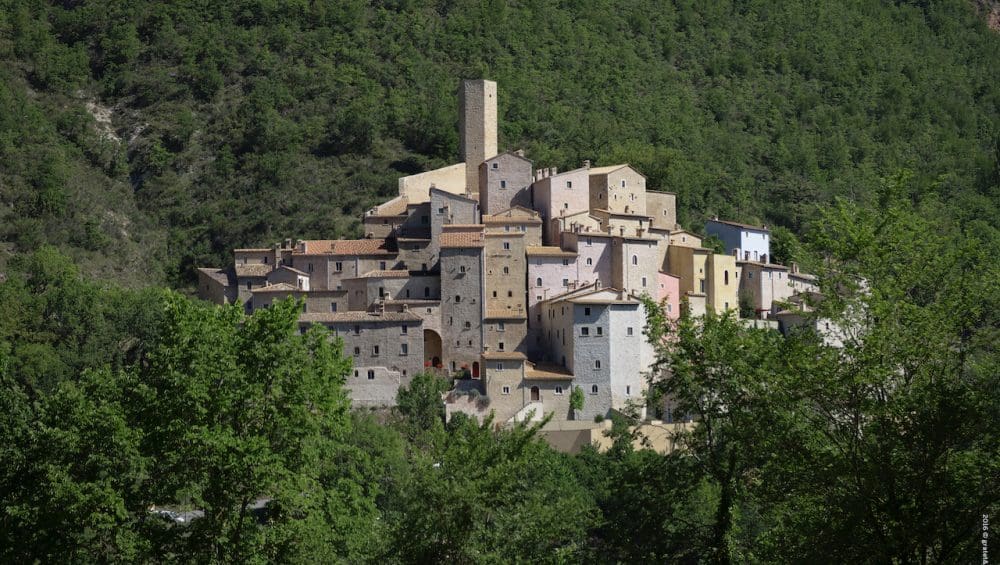
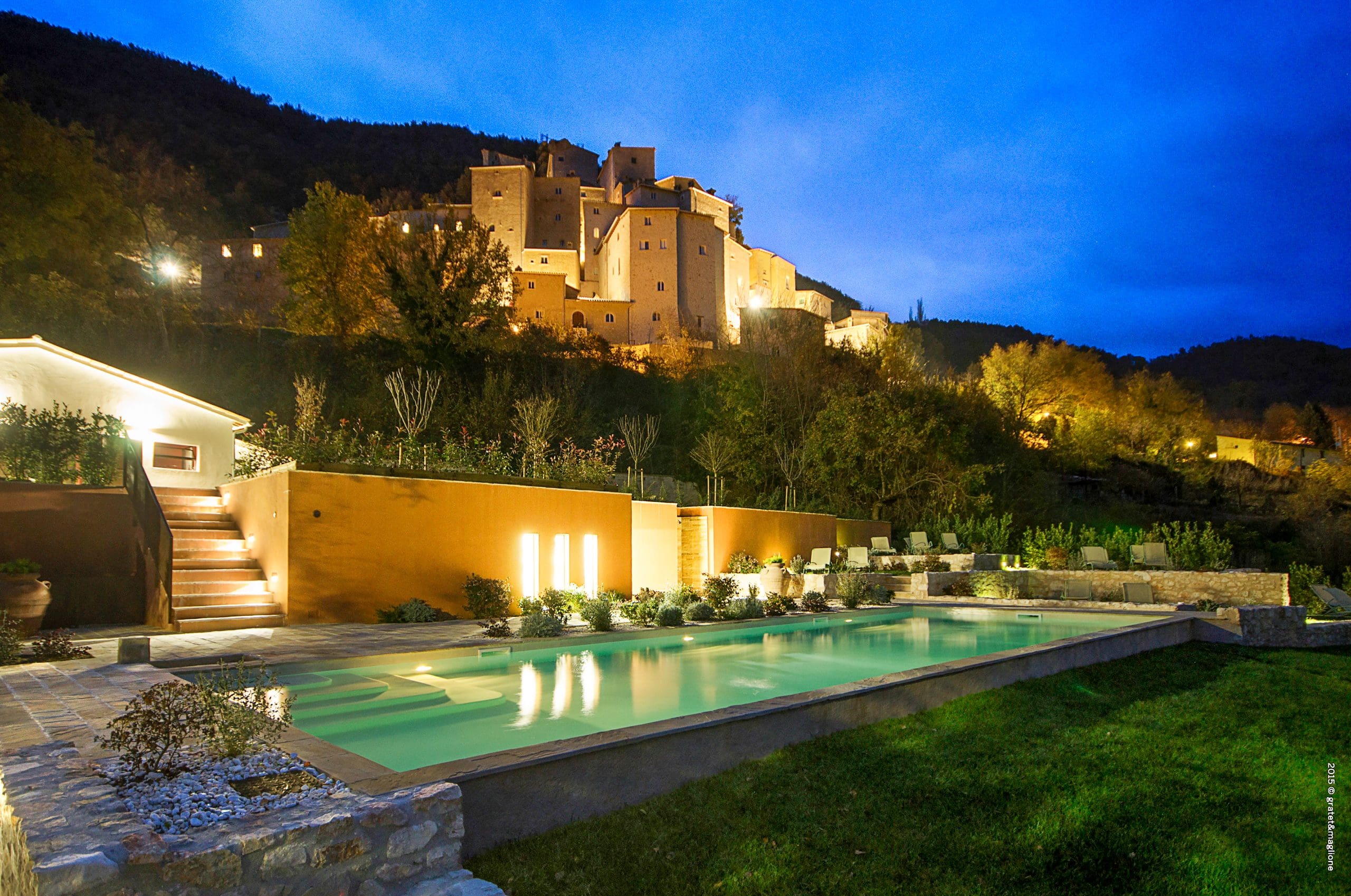
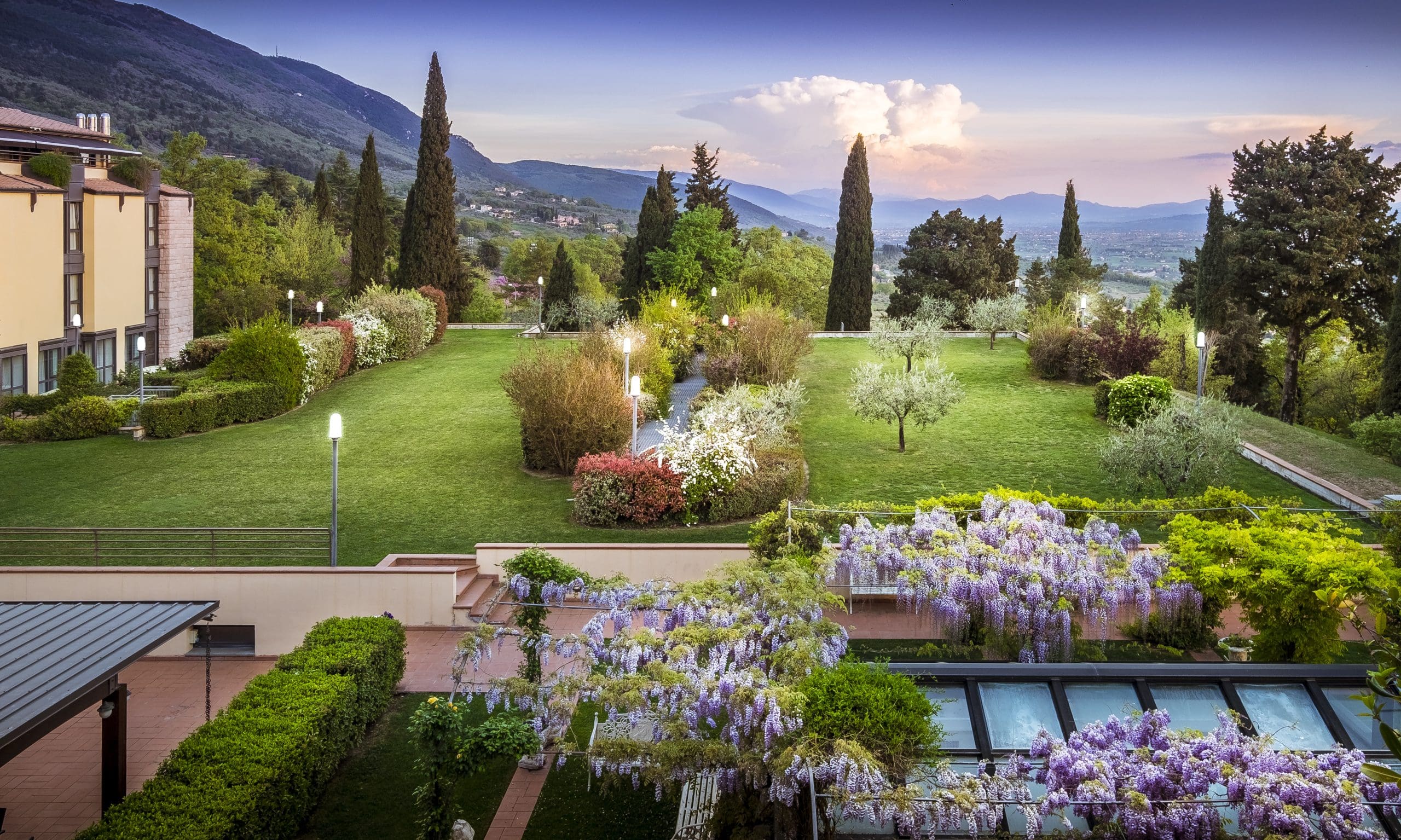
Castello di Postignano is a medieval village nestled in the mountains of the Vigi valley, in Umbria, brought back to life thanks to a careful restoration lasting decades. Living here means immersing yourself in a place of extraordinary beauty, where history, culture and modernity meet in harmony.

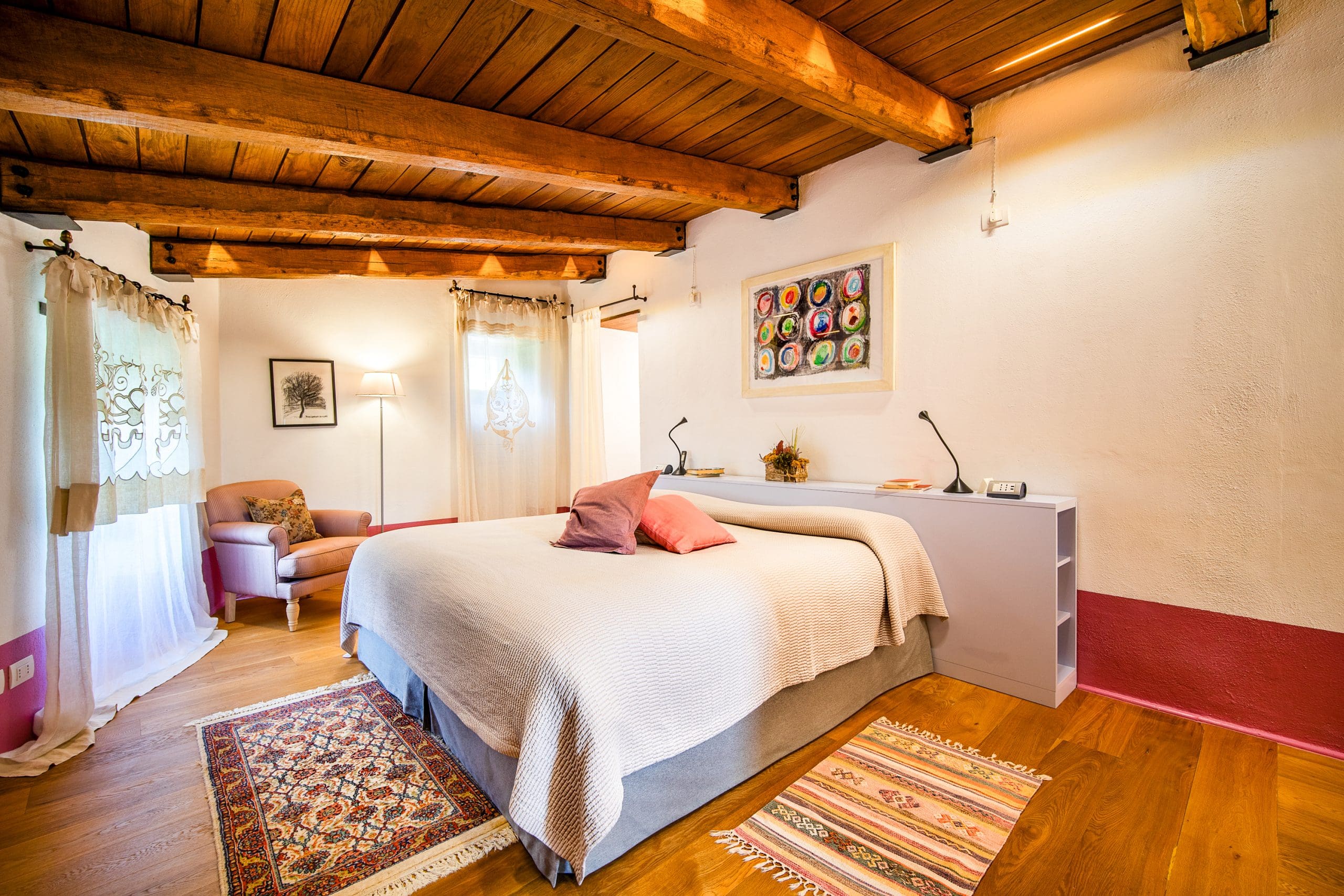
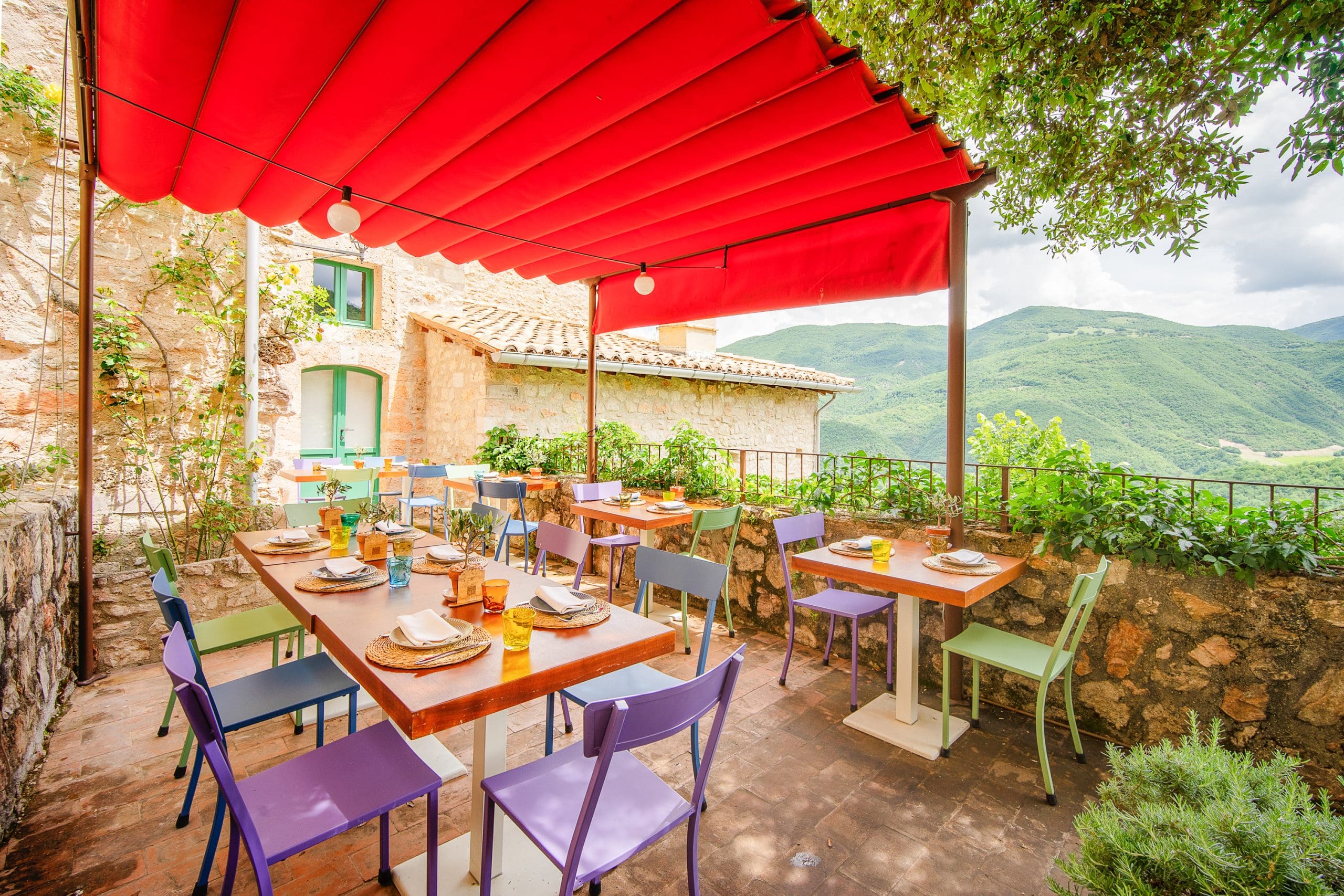
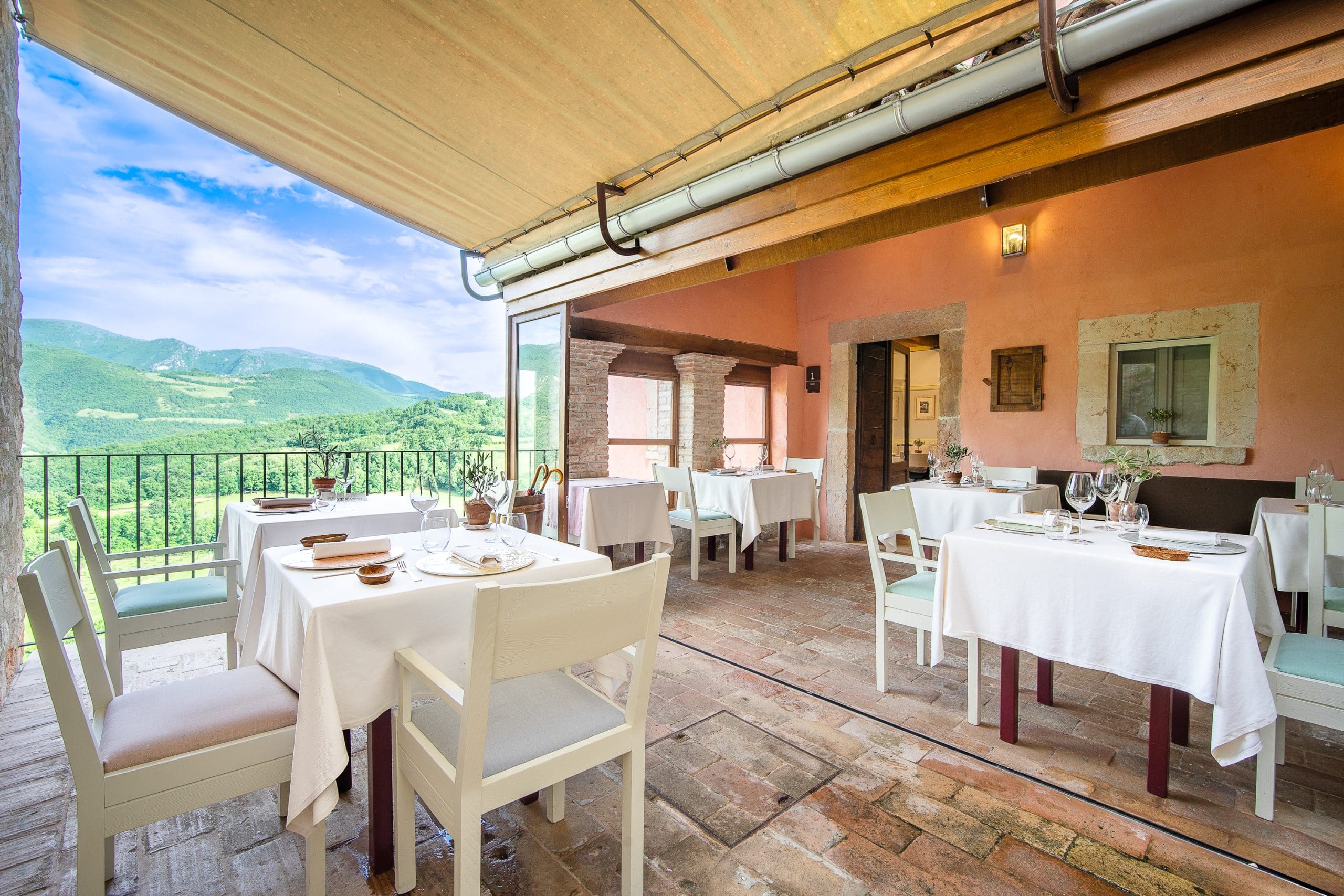
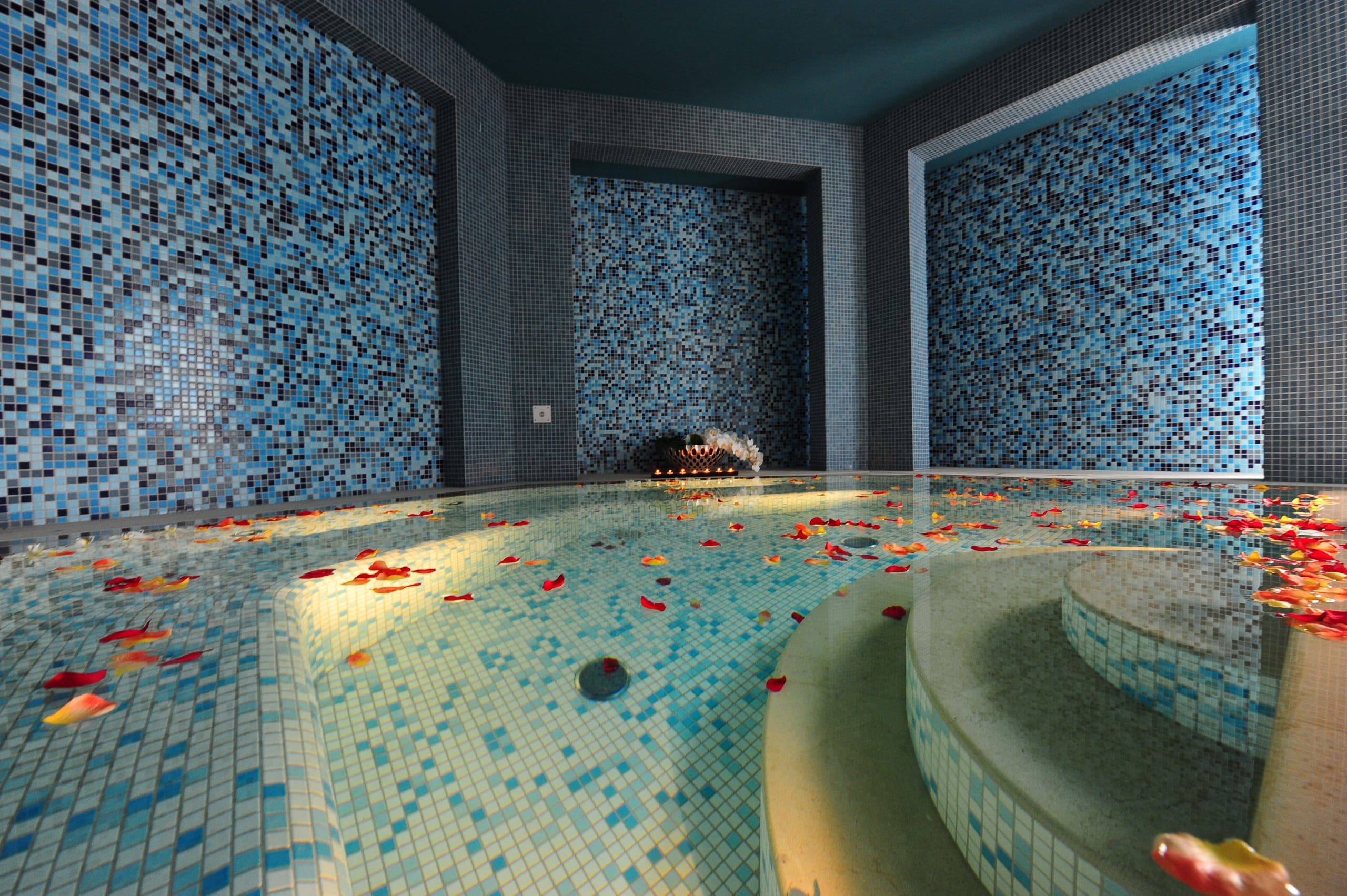
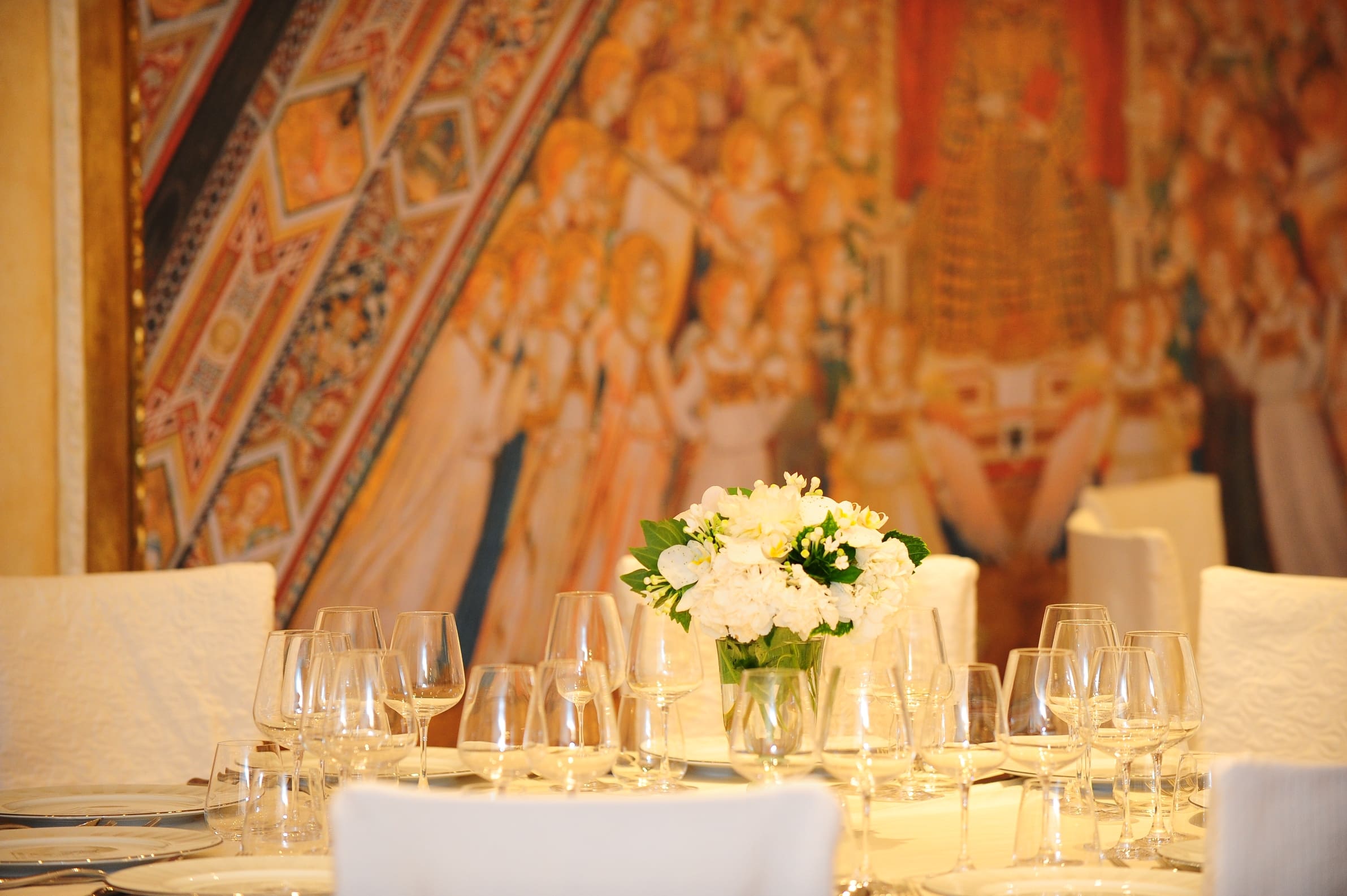
The ancient homes, carefully restored to preserve their original charm, offer all modern comforts, creating an intimate and welcoming atmosphere. Guests can enjoy an exclusive Relais, a restaurant that celebrates Umbrian flavors, a café, shops selling crafts and local products, as well as spaces dedicated to art and culture, including a church-auditorium and art galleries.

A library, a swimming pool, a wellness center and fitness trails complete the experience, making each stay a perfect balance between relaxation, discovery and tradition. A place where living means rediscovering contact with authentic beauty.

Services

Accepting groups

Small pets allowed

Lift

Hair dryer

Bar

Safe deposit box

Wellness centre/SPA

Minibar

Gluten free

Bicycle rental

Parking

Park/Garden

Swimming pool

Restaurant

Conference hall

Sauna

Solarium

Transfer da/per aeroporto

TV - TV Sat

Free Wi-fi - Internet

Request information


    I have read and authorise the processing of my data in accordance with thePrivacy Policy

    I authorise the sending of commercial communications (optional)

    Gallery

    BV Grand Hotel Assisi

    BV Grand Hotel Assisi

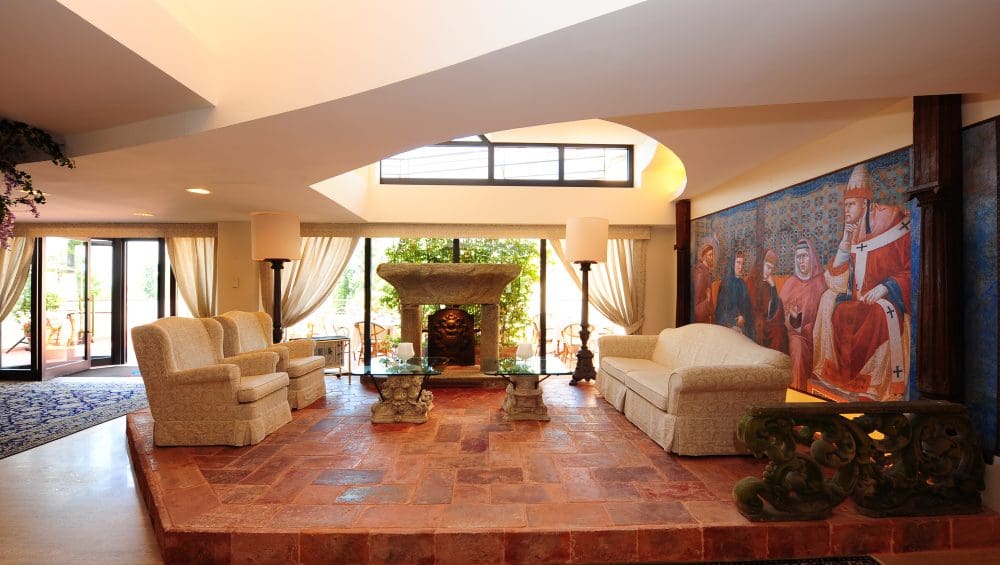
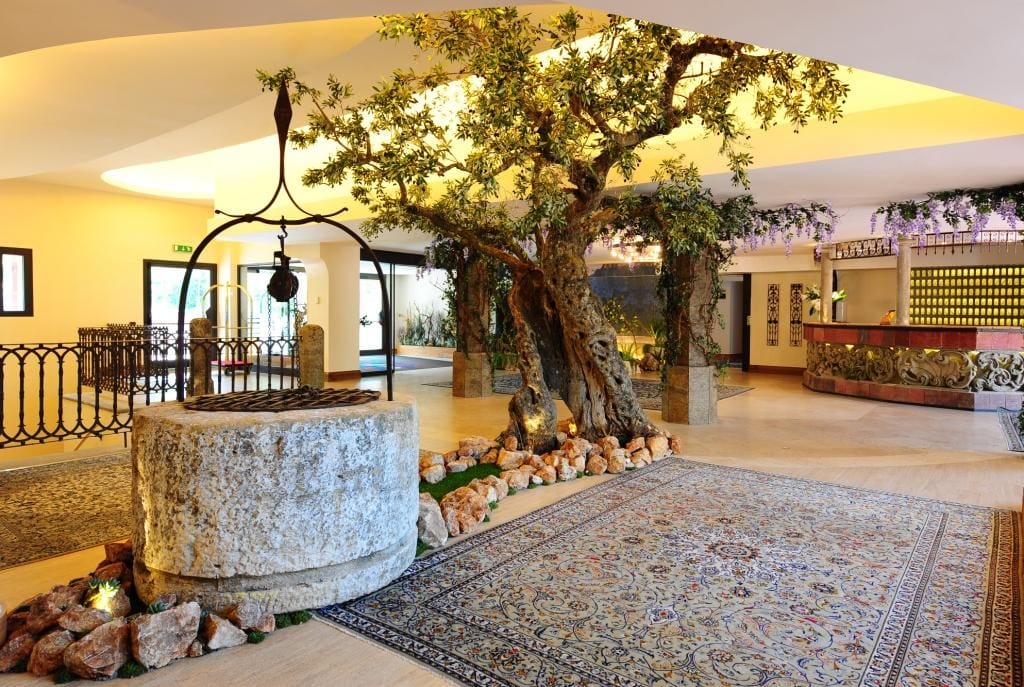
    Live a unique experience in the heart of Umbria at the BV Grand Hotel Assisi, where nature, history and traditions meet to offer you an unforgettable stay. The elegant and refined rooms are designed to guarantee maximum comfort, while the modern conference rooms, equipped with the most advanced technologies, are perfect for corporate events of all sizes.

    At the Giotto restaurant, typical Umbrian cuisine becomes a sensory experience, with creative dishes that enhance local flavors, accompanied by a selection of fine wines. The restaurant is also the ideal setting for weddings and exclusive events, with elegant spaces that can accommodate up to 300 people.

    At the BV Grand Hotel Assisi, every detail is designed to offer you a stay that combines luxury, tradition and well-being. Join us for an experience that will remain in your heart!

    Services

    Disabled access

    Accepting groups

    Small pets allowed

    Air conditioning

    Lift

    Hair dryer

    Bar

    Safe deposit box

    Wellness centre/SPA

    Minibar

    Garage

    Gluten free

    Internet

    Gym

    Parking

    Indoor swimming pool

    Restaurant

    Conference hall

    Sauna

    TV - TV Sat

    Free Wi-fi

    Request information


      I have read and authorise the processing of my data in accordance with thePrivacy Policy

      I authorise the sending of commercial communications (optional)

      Gallery

      Umbria a heart of chocolate

      Umbria a heart of chocolate

      Starting from Euro 325,00 per person

      Day 1
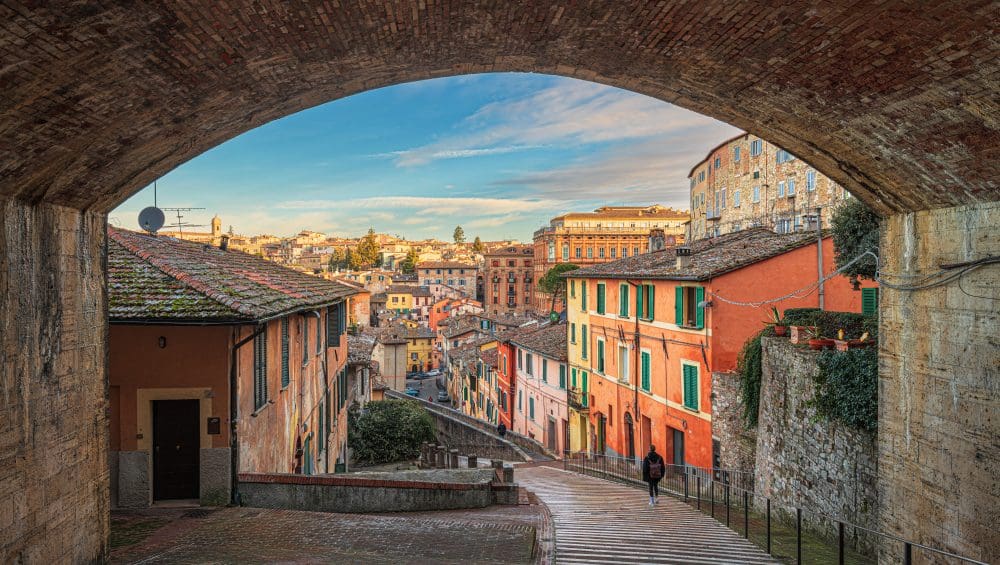
      Arrival in Perugia made famous throughout the world by Perugina and its excellent chocolate.

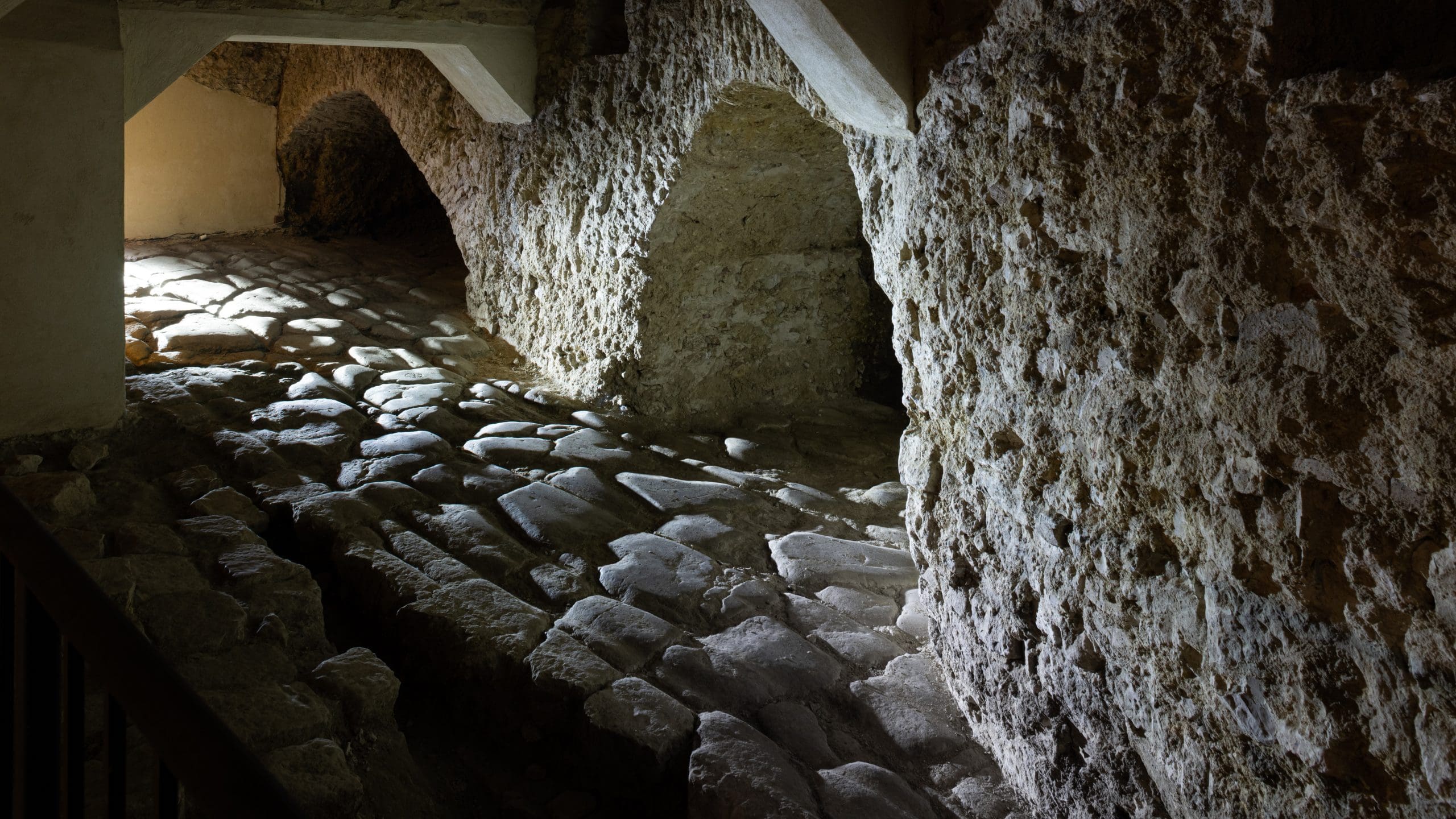
      In the afternoon, the walk in the historic center includes entry to Perugia Sotterranea, a real leap back in time under the cathedral of San Lorenzo.

      Before going to the structure, a pleasant stop in a chocolate shop in the historic center for a tasting.

      Accommodation in a structure for the overnight stay

      2nd Day
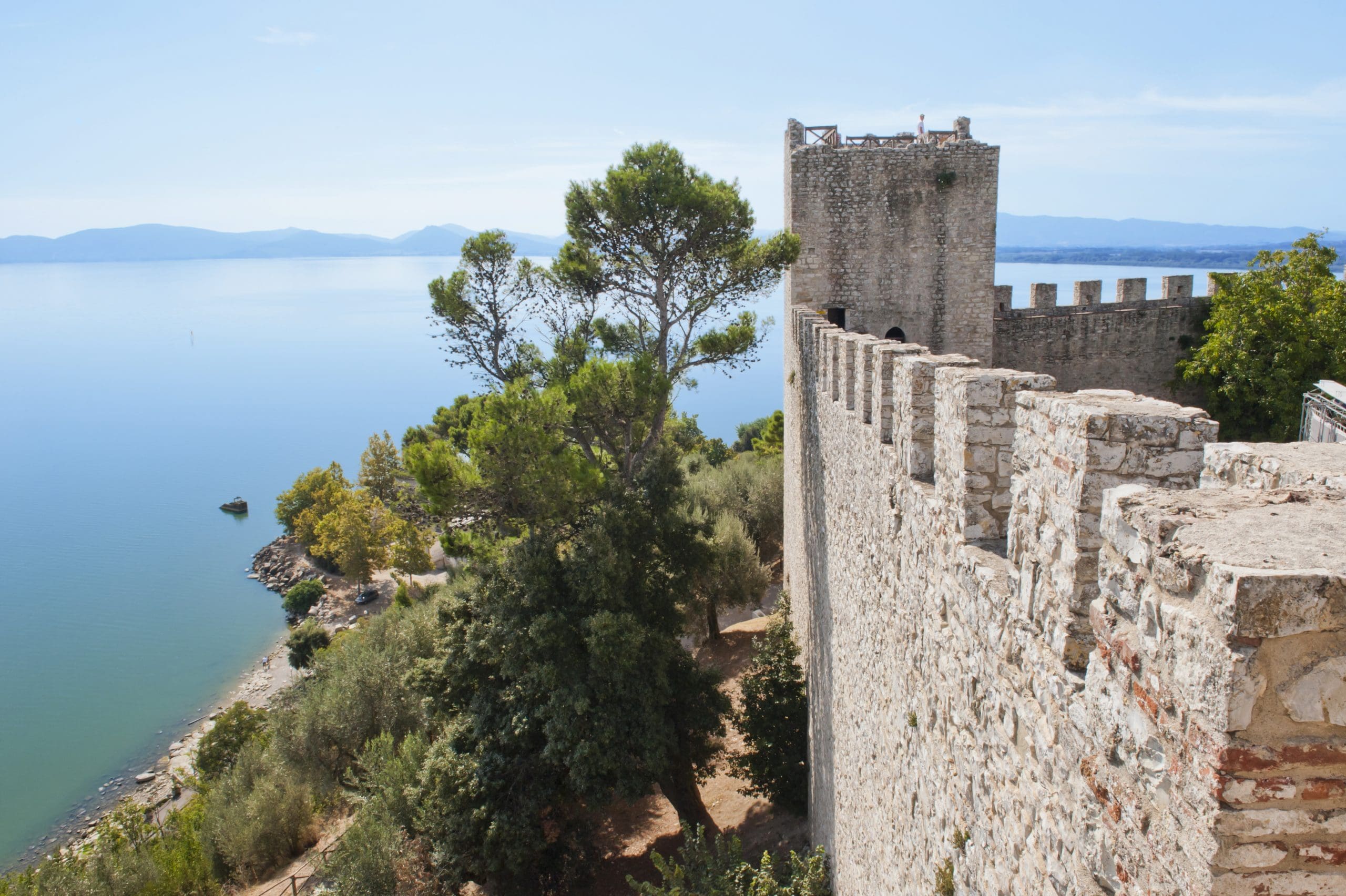
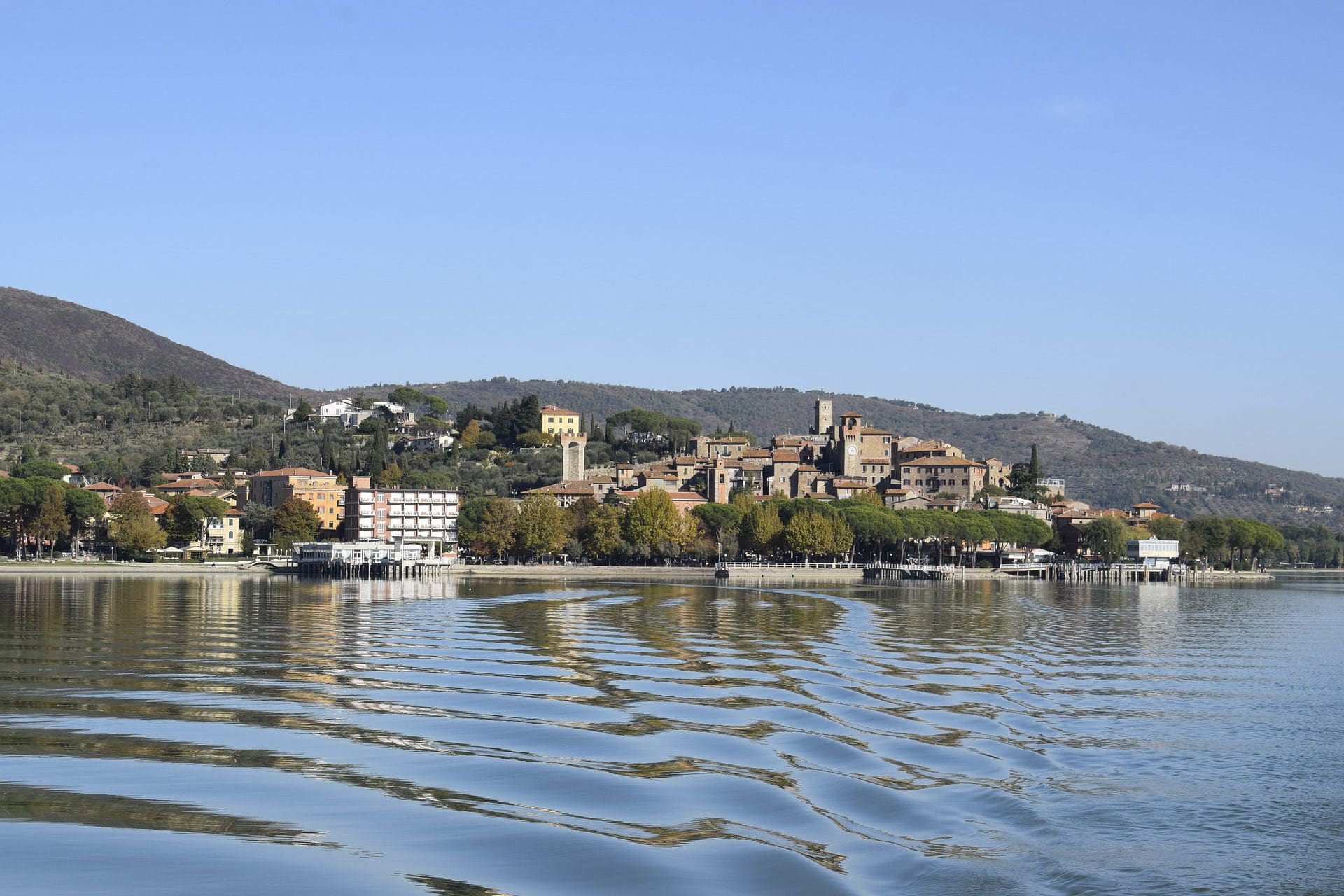
      After breakfast we move towards our Lake Trasimeno that seen from space the astronaut Parmitano said “It looks like a heart”. Walk to Passignano sul Trasimeno, a small tourist pearl of the lake, where it will be possible to take the ferry to reach Isola Maggiore, the only inhabited island, with a small museum circuit.

      Lunch in Isola Maggiore

      Free dinner and overnight stay

      3rd Day
      After breakfast, on the way back to your destination, you can stop for a walk in Todi a medieval city named the “most liveable city in the world”.
      Tasting with snack in the Cellar.

      Our best is starting from Euro 325.00 per person

      The rate is per person in a double room and includes:
      • 2 nights accommodation with breakfast
      • Entrance to Perugia Sotterranea
      • Chocolate tasting in Perugia
      • Daily excursion to Isola Maggiore from Passignano sul Trasimeno (return boat ticket, museum circuit, lunch)
      • Wine tastings in a cellar with snack in Todi
      • Europ Assistance travel insurance
      The rate does not include:
      • Extras, tips and offers
      • Means of transport
      • City tax where introduced by the relevant Municipality
      • Anything not expressly indicated in the “the rate includes” section

      Ask for information


        I have read and authorise the processing of my data in accordance with thePrivacy Policy

        I authorise the sending of commercial communications (optional)

        Gallery

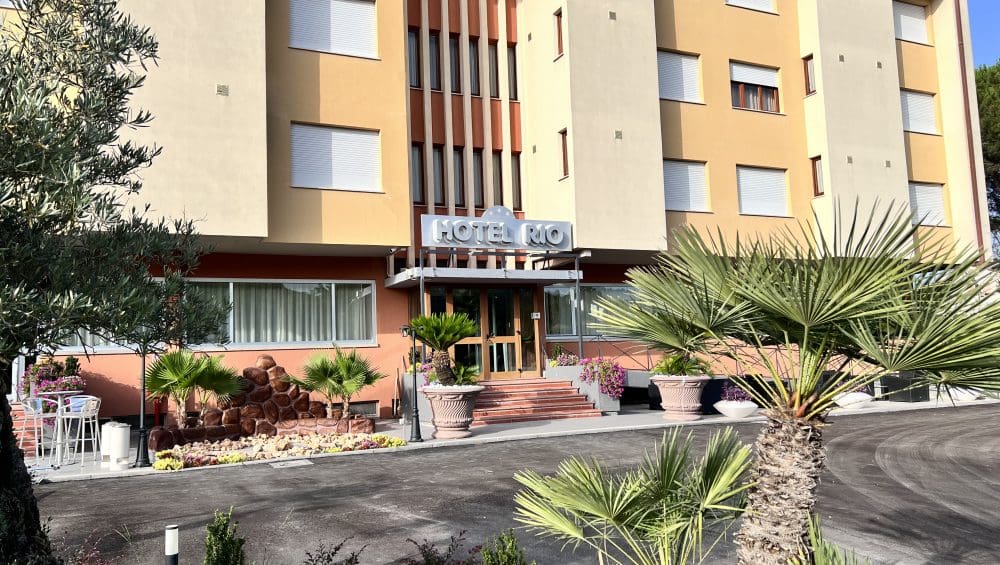
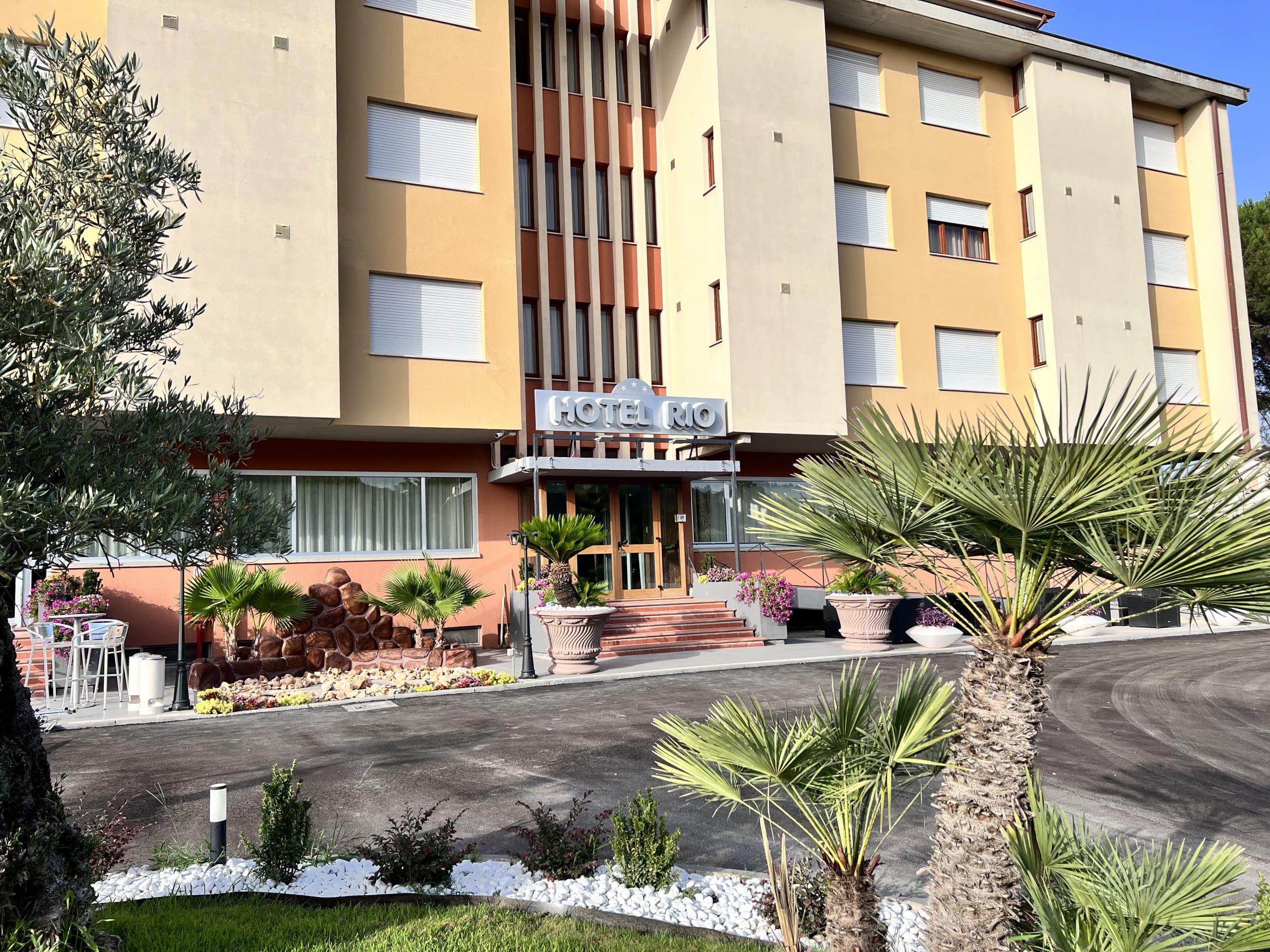
        Hotel Rio

        Hotel Rio

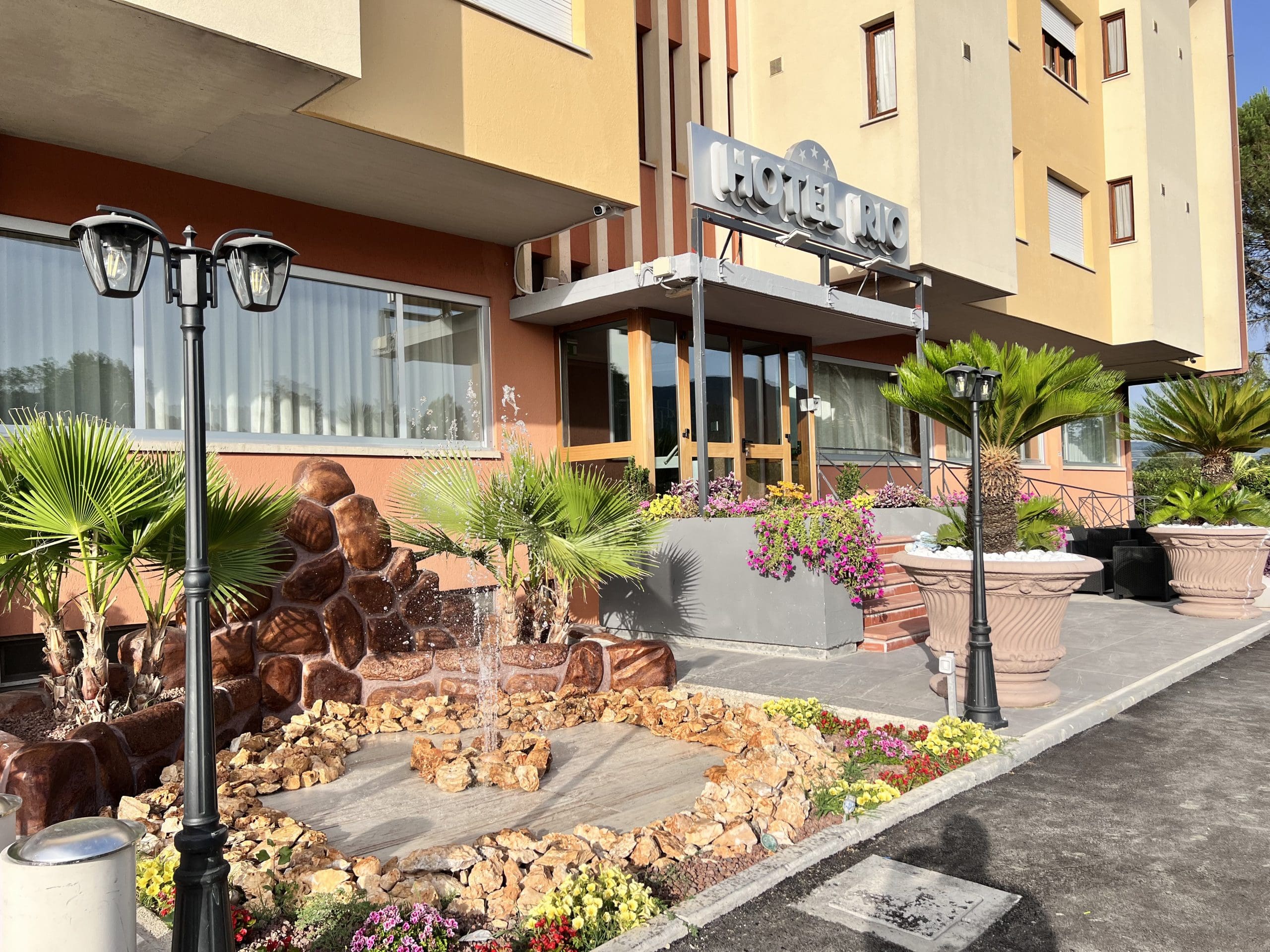
        Welcome to Hotel Rio, an oasis of comfort and relaxation in the heart of Umbertide, perfect for discovering the wonders of Umbria!

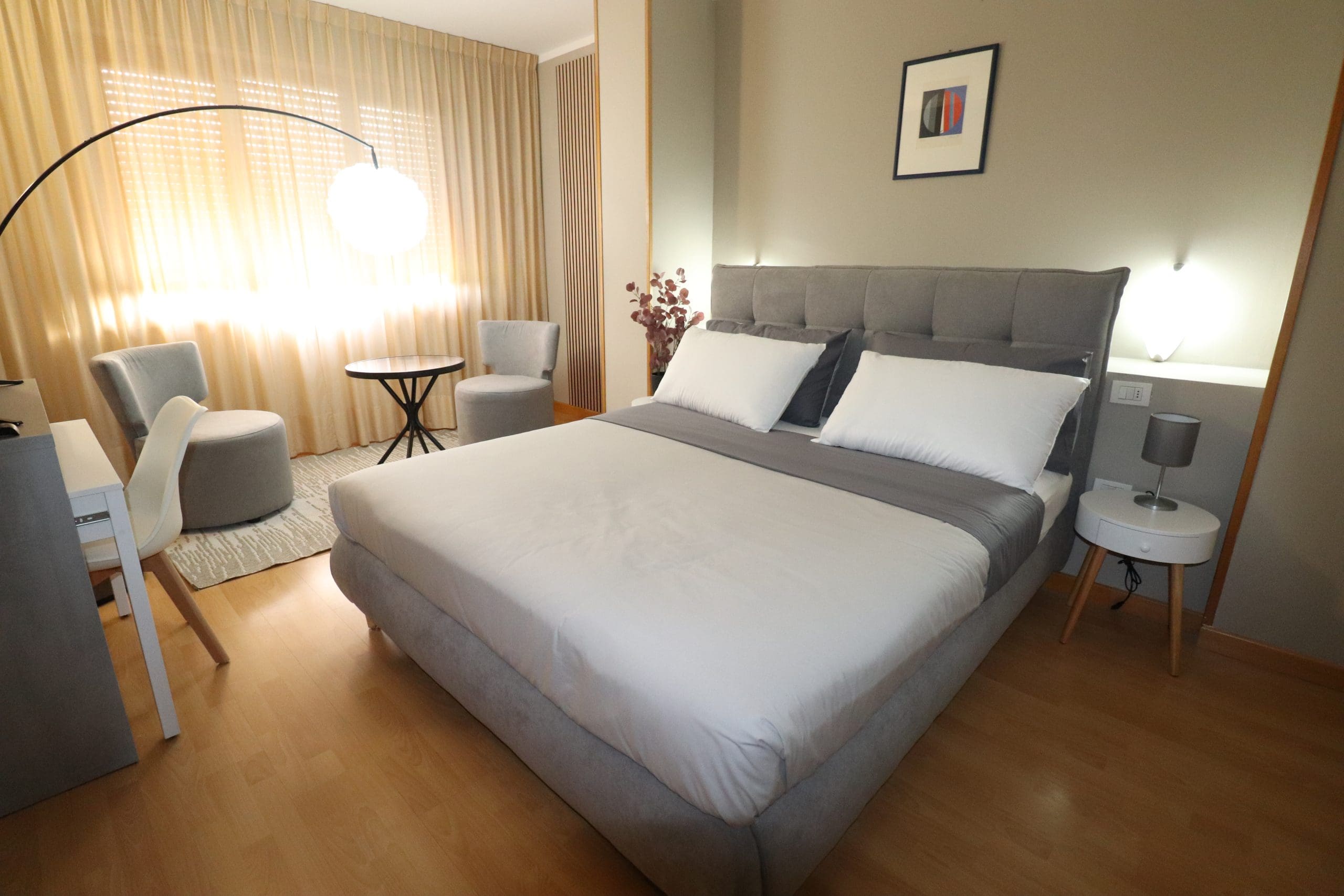
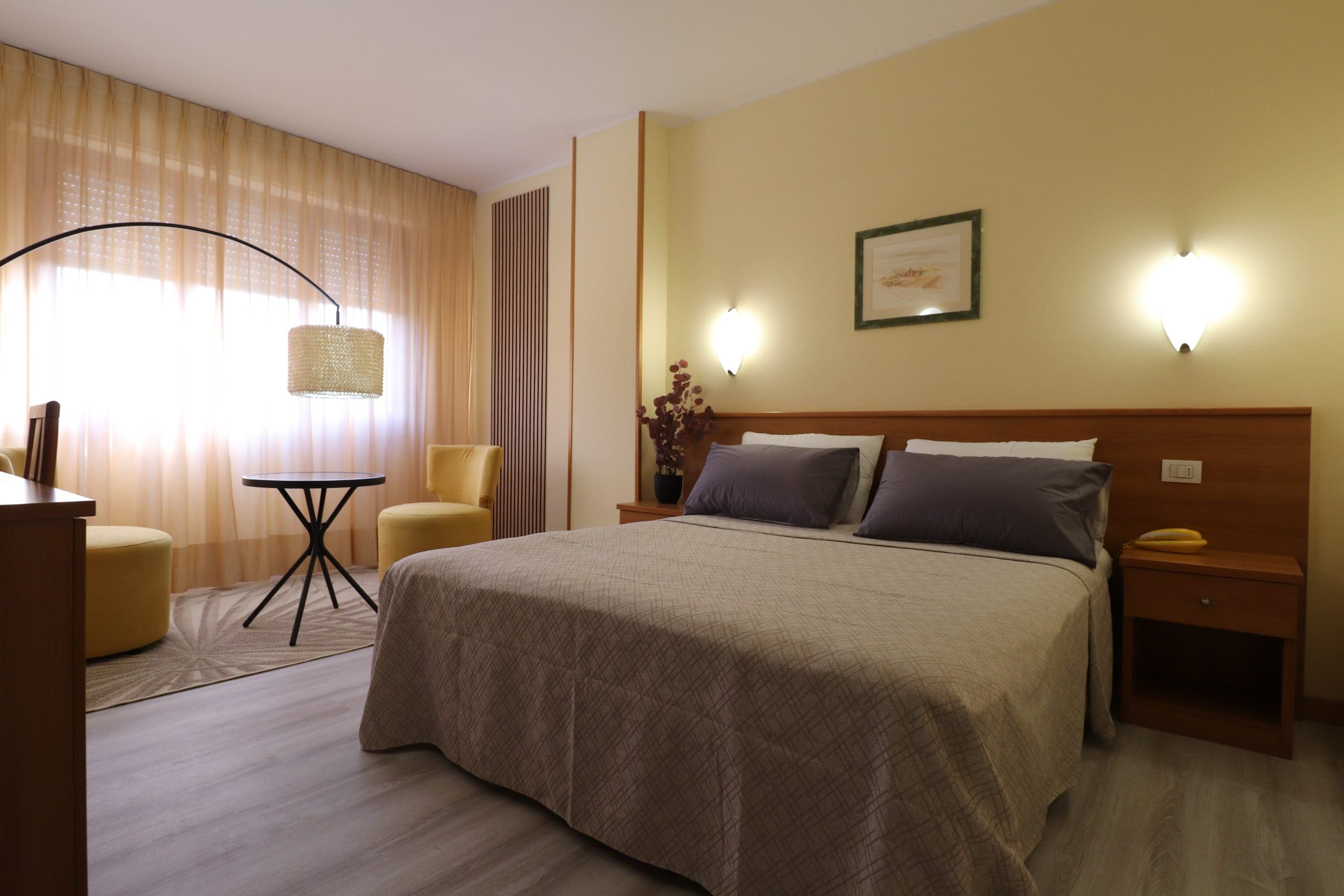
        Hotel Rio offers 35 welcoming and versatile rooms: double, single, twin, triple and quadruple, with accessible options for every need, including 7 Superior rooms equipped with a living room for an extra touch of elegance.

        If you are looking for spaces for events or ceremonies, the hotel boasts two meeting rooms: an intimate one with 40 seats and a spacious one with 380, perfect for every special occasion.

        The internal restaurant is a true journey into the flavors of Umbrian and Tuscan tradition, with dishes revisited in a modern key to enhance the authentic aromas and flavors of this land. Let yourself be surprised by the creative flair of our chef, who transforms every meal into an unforgettable experience.

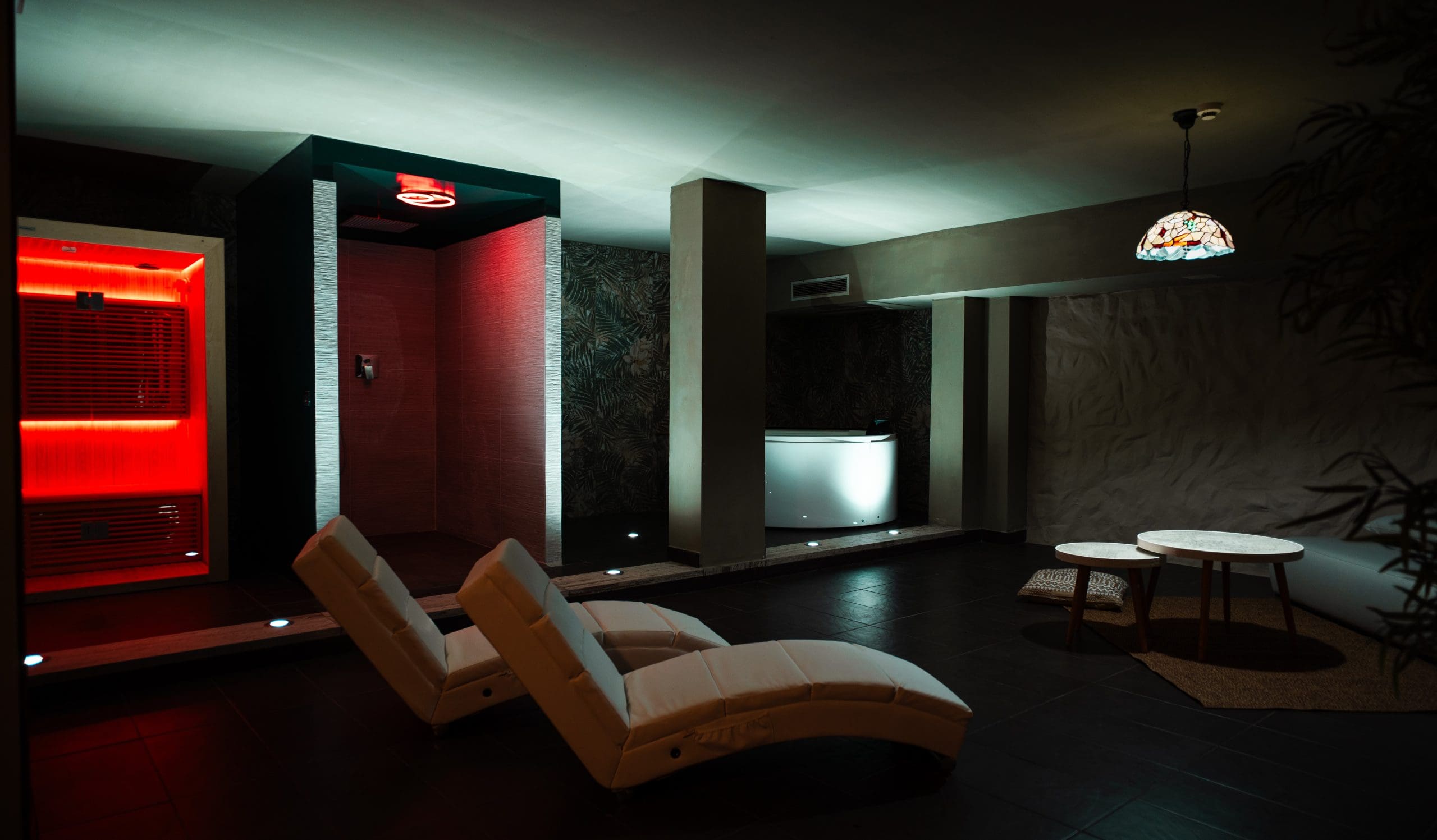
        For those who want to relax after a day of exploration, the hotel’s Spa area is a perfect refuge: sauna, Turkish bath, hydromassage and emotional shower are available to regenerate body and mind.

        Choose Hotel Rio for a stay that combines comfort, relaxation and the magic of Umbria: an experience that will leave its mark!

        Services

        Disabled access

        Accepting groups

        Small pets allowed

        Air conditioning

        Lift

        Hair dryer

        Bar

        Wellness centre/SPA

        Gluten free

        Gym

        Parking

        Park/Garden

        Restaurant

        Conference hall

        Sauna

        Transfer da/per aeroporto

        TV - TV Sat

        Free Wi-fi

        Request information


          I have read and authorise the processing of my data in accordance with thePrivacy Policy

          I authorise the sending of commercial communications (optional)

          Gallery

          Perugia in one day: a journey through art, history and flavours

          Do you only have one day to visit Perugia?

          Don’t worry: with our advice, you will live an unforgettable experience in the heart of Umbria. This city, rich in history, art and culinary traditions, is the perfect destination for a getaway dedicated to beauty and taste.

          Morning: discovering the historic center
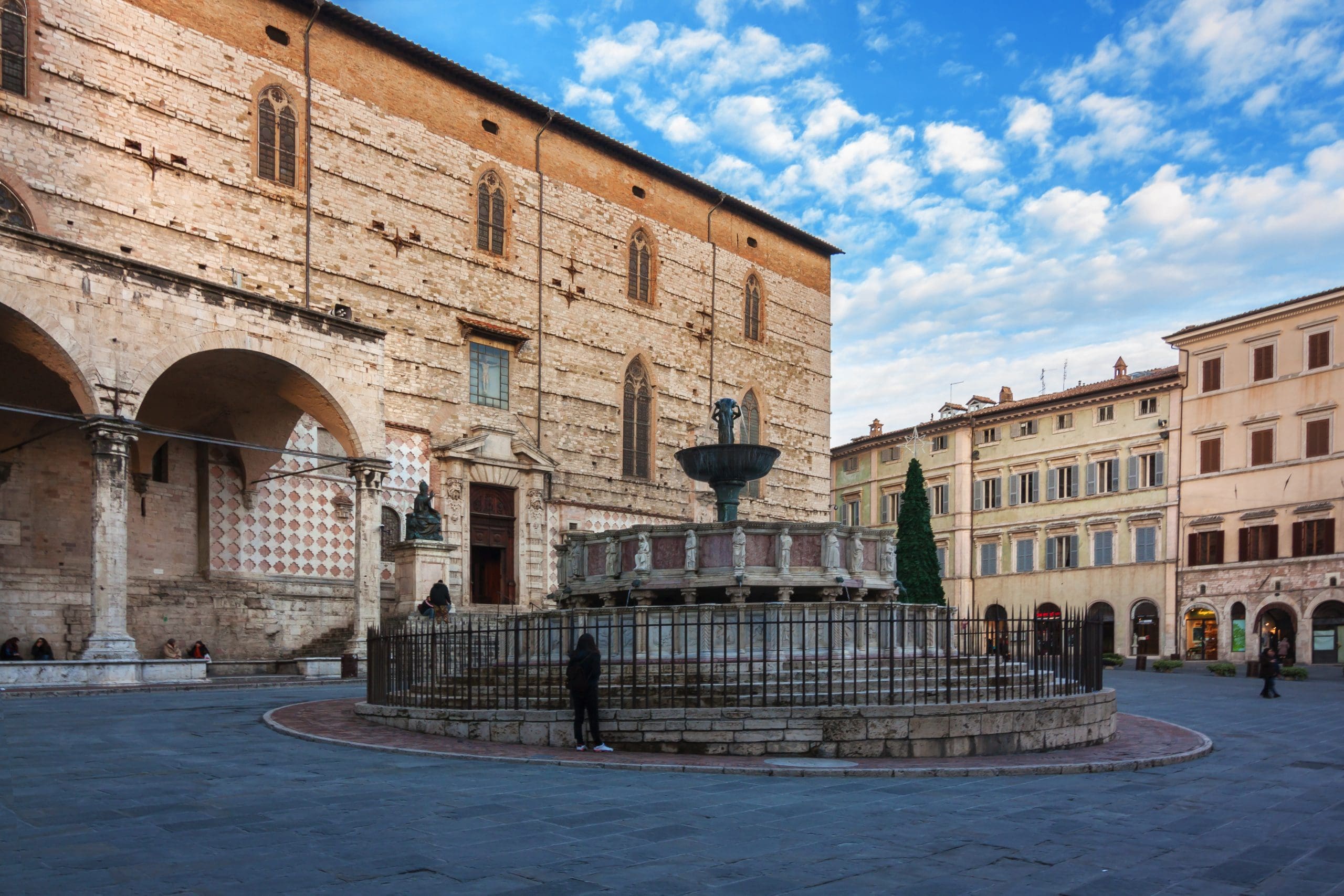
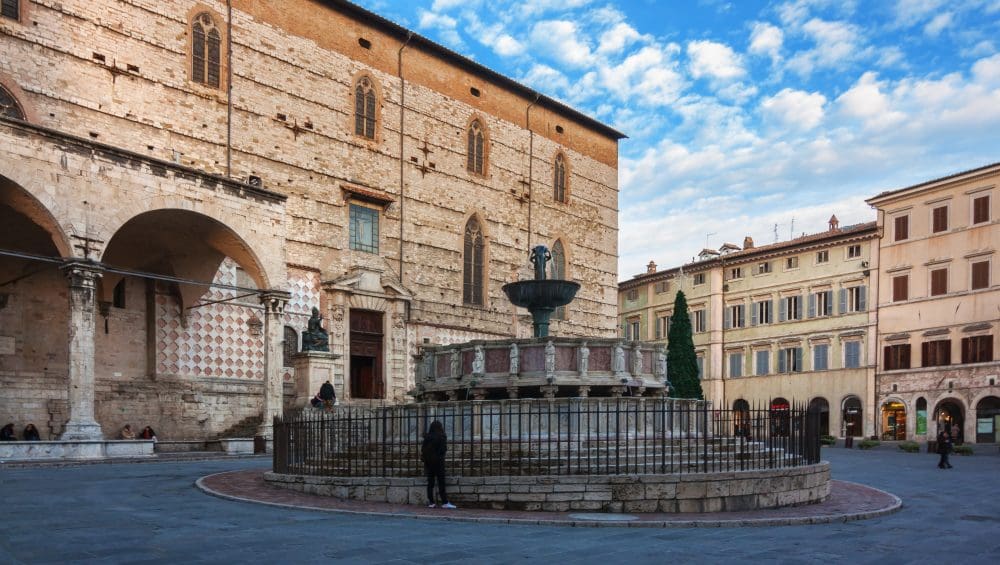
          Your adventure begins in Piazza IV Novembre, the nerve center of Perugia. Admire the magnificent Fontana Maggiore, one of the most beautiful medieval works of art in Italy, and the evocative Cathedral of San Lorenzo, with its interior rich in history and spirituality.

          Right next to the Cathedral in the Cloister, you can access Perugia Sotterranea, it will be like taking a real journey through the centuries. This experience, little known even by the people of Perugia themselves, allows you to visit the submerged world of the city of Perugia, and learn about the various stratifications: from the Etruscans, through the Romans and the papal settlement, up to the current conformation of the city center.

          Also in Piazza IV Novembre, you will find the majestic Palazzo dei Priori, which houses the Galleria Nazionale dell’Umbria.

          Here you can admire masterpieces by artists such as Perugino, Raphael’s teacher, and Pinturicchio. If you love art and history, this is an essential stop.

          Lunch: authentic Umbrian flavors
          For lunch, immerse yourself in the local gastronomic tradition. A typical trattoria is the ideal place to enjoy dishes such as umbricelli with black truffle or torta al testo, a focaccia filled with cured meats and cheeses. If you prefer something more rustic, a platter of local products and a glass of wine will give you an authentic taste of Umbria.

          Afternoon: a journey through the past and views
          In the afternoon, visit the evocative Rocca Paolina, a true underground city built in the 16th century by order of Pope Paul III. Walking through its underground alleys will be like reliving the Perugia of the Renaissance.

          Then, stroll along the Corso Vannucci, the main street of the city, full of shops, cafes and artisan workshops. Here you can buy unique souvenirs, such as hand-painted ceramics, artisanal fabrics or the famous Perugina chocolate.

          Take a break. We recommend that you taste the food of the gods in one of our chocolate shops in the historic center.

          Before ending the day, stop at Giardino Carducci, a perfect place to relax and enjoy a breathtaking view of the Umbrian valley. From here, the sunset offers magical colors that will remain in your heart.

          Contact us to discover every hidden corner, organizing personalized tours, culinary experiences and activities that will make your trip unforgettable.

          💚 We are waiting for you in Umbria 💚

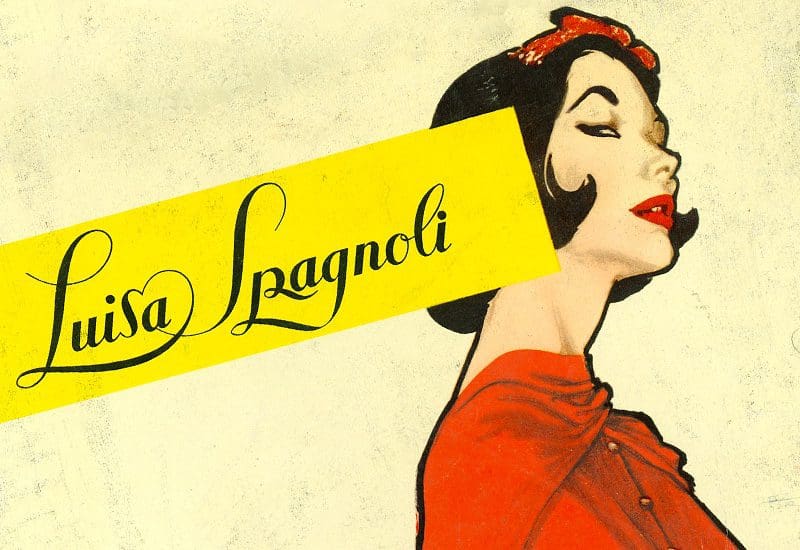
          Luisa Spagnoli

          Beyond Fashion and Chocolate, a Woman Philanthropist on the Horizon

          Luisa Spagnoli, a name that evokes immediate images of refined fashion and chocolate delicacies. However, his legacy goes far beyond runways and treats. Today, we want to reveal the lesser-known side of this extraordinary woman: her philanthropist soul.

          For those, like me, who were fortunate enough to wander the picturesque hill of Santa Lucia at a young age, it was not at all uncommon to come across angora bunnies that had escaped from Luisa’s gardens. After the devastation of the Second World War, Luisa Spagnoli became passionate about these adorable animals, starting not only to create a collection of them, but to intuit a secret that would revolutionize the world of fashion: the art of combing, rather than shearing, these rabbits . A kind gesture that allowed us to obtain a yarn with unprecedented softness, a fabric that pampered the skin like no other.

          And what about his delicious chocolates? The Bacio Perugina is a name known throughout the world, but there is another tablet that bears his name, a creation that some Perugians affectionately call “Carrarmato”, perhaps as a tribute to his tenacity and strength of mind.

          And finally, we cannot forget the contribution of Luisa Spagnoli to the creation of Città della Domenica, the first theme park in Italy, born thanks to the ingenuity of her son Mario in 1963. She decided to use the land she owned on Mount Pulito, in the Ferro di Cavallo neighborhood in Perugia, in a park for family leisure, a sort of ideal city that was initially supposed to take the name of “Spagnolia”. Of enormous size for its time (over 43 hectares of land), the park presents, immersed in the dense Umbrian vegetation, wildlife areas and fairy-tale themed structures.

          Luisa Spagnoli was much more than just a fashion and chocolate icon. She was a visionary woman, a generous philanthropist and an inspiration to future generations. His legacy extends far beyond the confines of catwalks and chocolates, a shining example of how passion, dedication and kindness can shape the world for the benefit of all.

          Credit photo by:
          Cittàdelladomenica.it
          NestlèItalia.it
          Ilverdemondo.it
          Kongnews.it
          IlDenaro.it

          Federico da Montefeltro by bike

          Federico da Montefeltro by bike

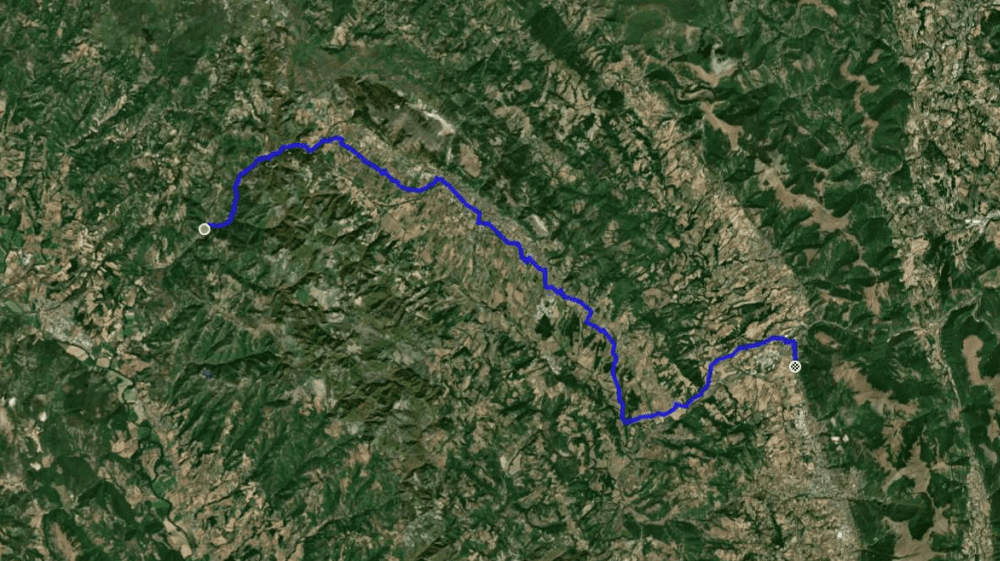
          Gubbio-Urbino
          Duration: MTB 4.40 h E-MTB 3.36 h
          Distance: 61.7 km
          Difference in altitude: 1,280+
          Points of interest: Gubbio, Cantiano, Cagli, Fermignano, Metauro waterfall, Urbino.

          A 75 km itinerary that separates the ducal city from the birthplace of Federico da Montefeltro.
          It is an itinerary rich in art and culture on one side and wonderful natural landscapes on the other, the one that connects Gubbio to Urbino.
          The route develops largely on panoramic and low-traffic roads, immersed in the charming Umbria-Marche countryside, touching the places where Federico da Montefeltro, one of the most famous figures of the Renaissance, had a strong influence.
          Departure from Gubbio, the birthplace of Federico da Montefeltro.
          Federico’s affection and the greatest intensity of his feelings went to Gubbio, as he wrote in 1446: «because we can assure you that there is all our heart and all our soul».
          It is here that he built his palace as the second seat of the duchy and the second capital rich in pre-Roman and classical vestiges.

          We go up towards Urbino, along the old Contessa road, crossing the ancient borders of the state of Feltre, Cantiano and Cagli where the Duke was Lord by birth with titles obtained from his father through
          the papal investiture in 1424 AD.
          In Cagli, the Torrione is all that remains of the ancient fortress, designed by Francesco Di Giorgio Martini, which was part of a defense plan desired by Duke Federico da Montefeltro.

          Having abandoned its defense function, the Torrione today is not only a beautiful historical monument, but also the headquarters of the Contemporary Sculpture Center. The rooms host works by internationally renowned artists,
          such as Mattiacci, Kounellis, Nagasawa, Icaro and many others. Their sculptures rest on an unprecedented and original scenography, harmonizing with stone and bricks, creating an incredibly suggestive effect.
          Fermignano is a small town of Roman origin that stands on the left bank of the Metauro river, with all around the soft and hilly landscape typical of Montefeltro.

          After about 60 km the arrival in Urbino, the city declared a UNESCO World Heritage Site, cradle of the Italian Renaissance and city of Raphael. Urbino is the pearl of the Marche also known as the “ideal city” because of
          the painting of the same name preserved in the Palazzo Ducale, one of the most beautiful works of the Renaissance and the beating heart of the city of Urbino in which some of the greatest architects, painters, sculptors and
          workers called by Federico from many parts of Italy and Europe participated.
          Urbino is the perfect representation of a classic Italian village: the crisscrossing alleys, the delicious smell at every corner, the magnificent panorama that surrounds the town and then… so much art!

          Ask for information


            I have read and authorise the processing of my data in accordance with thePrivacy Policy

            I authorise the sending of commercial communications (optional)

            In Partnership

            Gallery

            Ex railway from Camporeggiano to Fossato di Vico

            Ex railway from Camporeggiano to Fossato di Vico

            Points of interest visited

            Gubbio

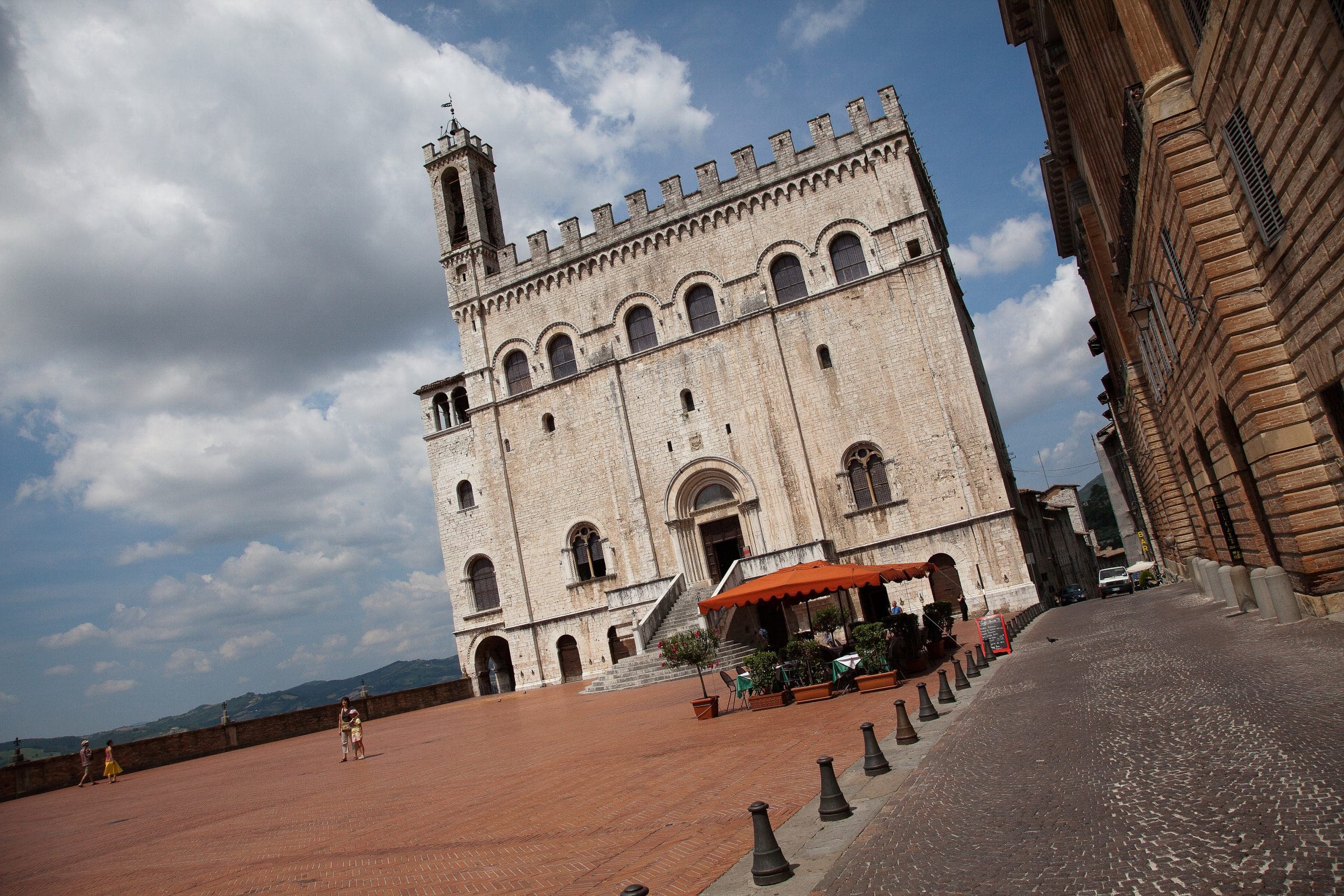
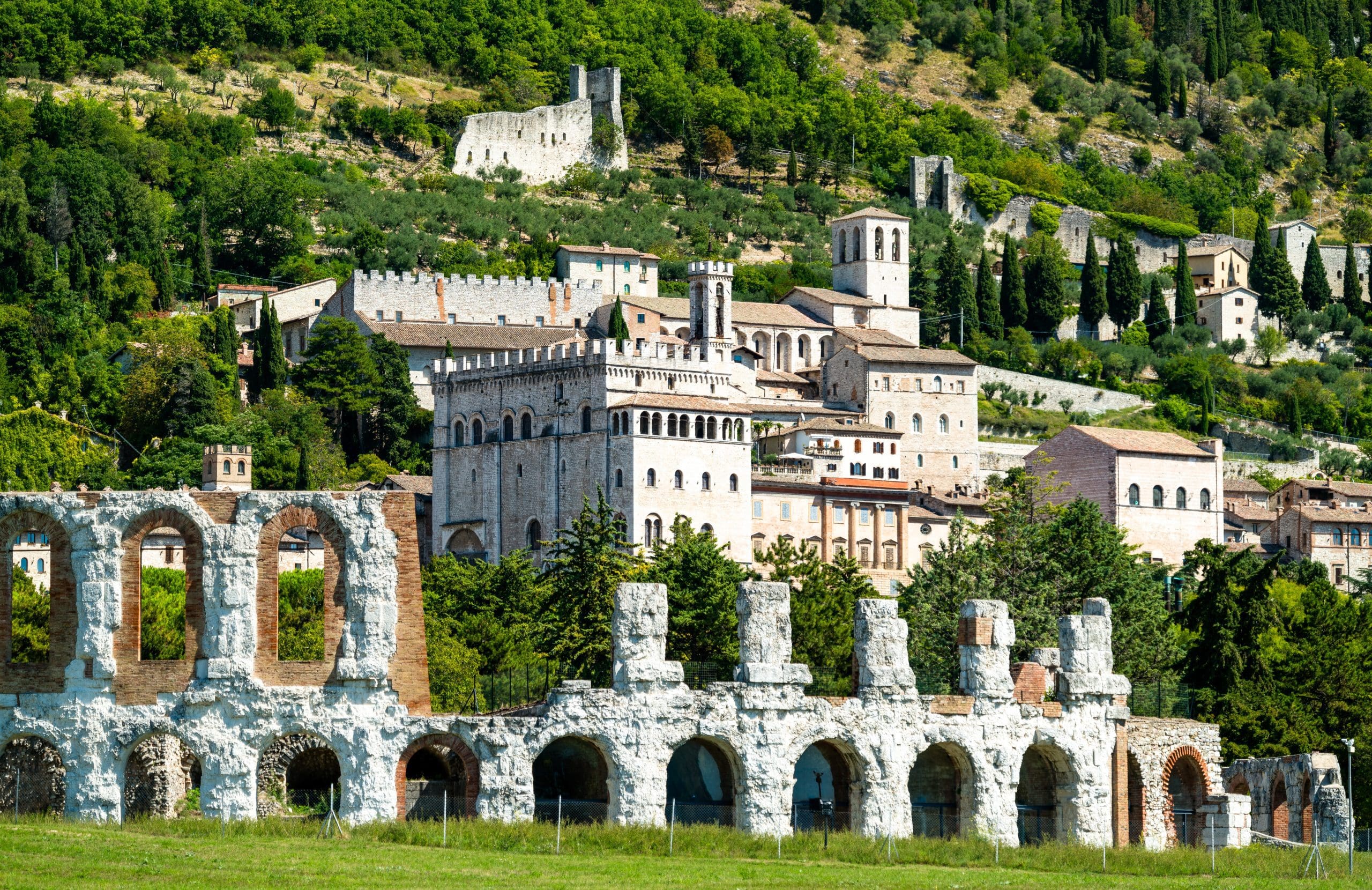
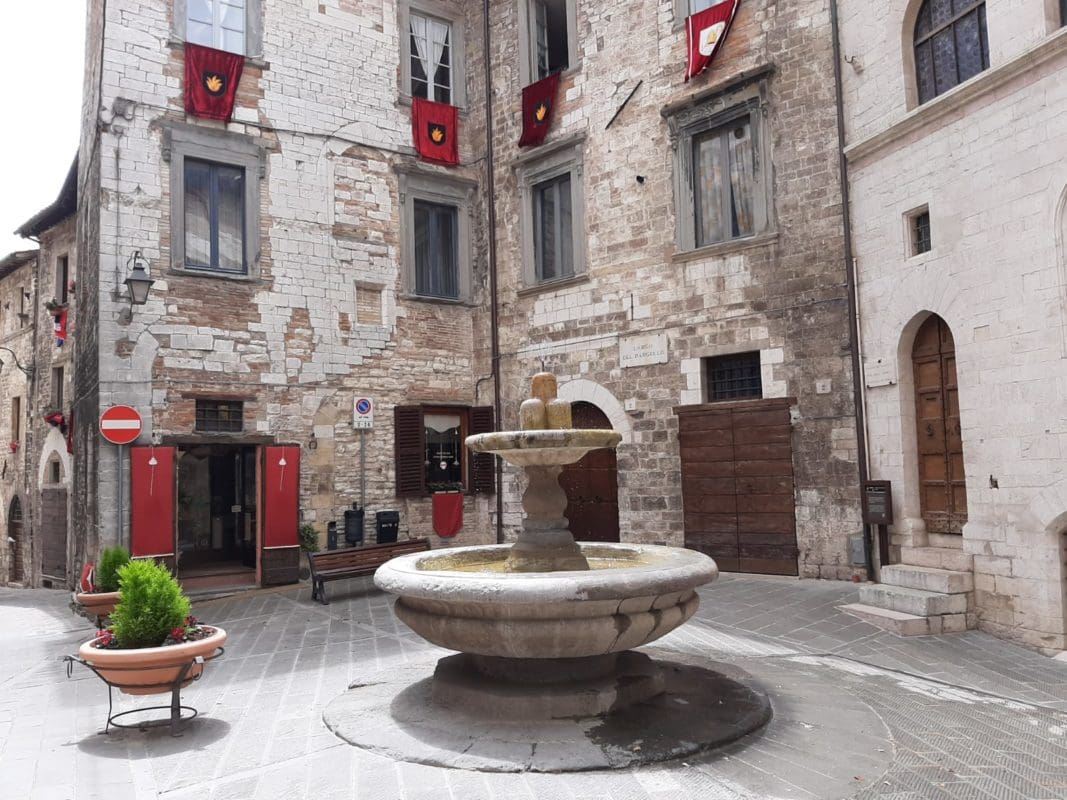
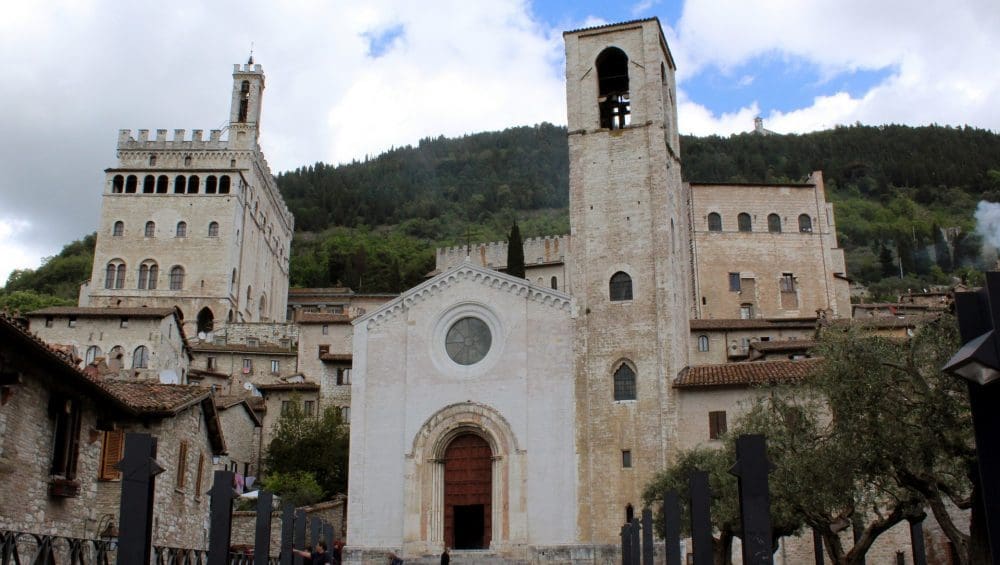
            It is known as the “city of stone” and stands on the side of Mount Ingino: Gubbio will captivate you at first sight with its medieval charm to be discovered in its labyrinth of alleys and streets. The origins of Gubbio are rooted in the ancient Umbrian civilization, as evidenced by the so-called Eugubine Tablets written in the Umbrian language and dating back to the 3rd-1st century BC. You can admire them in the rooms of the Civic Museum in Palazzo dei Consoli. Gubbio’s golden age began around the year 1000, at the era of the Communes. Under the leadership of Bishop Ubaldo, in 1100, the city won a war against Perugia. In the meantime, arts and crafts spread, including the processing of majolica. In 1300 the city took on the form it still has today. Some of Gubbio’s most beautiful buildings date back to that period. A walk in the center Start your tour from Gubbio’s jewel, Piazza Grande or Piazza della Signoria, a “hanging” square that overlooks the city. On its sides are the city’s public buildings: the Gothic-style Palazzo dei Consoli and the Palazzo Pretorio, one in front of the other. Also take a look at the Palazzo Ranghiasci Brancaleoni, which is located in the same square. A stone’s throw away is the Renaissance-style Palazzo Ducale. From the gardens of Palazzo Ducale you have a beautiful view of the city. Pay attention to the tall, narrow door to the side of the large door: it is the Porta del morto. According to legend, the coffins of the deceased passed through here. Along the walls, which are located just above the palace and date back to 1200, there are six doors, some of which are still decorated with paintings and city coats of arms. Among the churches, you shouldn’t miss the cathedral of Saints Mariano and Giacomo. Also worth a visit is the church of San Francesco, built on the land of the ancient Spadalonga family who welcomed him after leaving his father’s house and all his belongings. It is located at the foot of the city, where the market was held in the Middle Ages and where the very long Loggia dei Tiratori, built in 1600 by the weavers’ guild, still stands. Here they hung the newly woven woolen cloths. The real wonder of Gubbio, however, is the Fontana dei Matti in front of the Bargello palace. Anyone can get a crazy license by walking three laps around the fountain and getting wet in the presence of a Gubbio resident who certifies it. Where to go in the surrounding area Just leave the medieval walls of Gubbio and another world of surprises opens up to discover: the Roman theater, the nearby Roman mausoleum, the Abbey of San Secondo, the seventeenth-century Madonna del Prato rich in stucco and the church of Vittorina built right where, according to legend, Saint Francis met the wolf.

            The Bottaccione Gorge

            Near Gubbio are the Bottaccione Gorges, ideal for a trip just outside the city. It is a deep gorge due to the erosion of the Carmignano stream, but it is also very rich in historical evidence. Here there is an aqueduct that runs along the gorge and dates back to the Middle Ages. In the gorge there is also the Monastery of Sant’Ambrogio, which stands near a prehistoric citadel dating back to the Paleolithic. The hermitage dates back to 1300 and was known for its strict rules as well as for its inaccessible position that guaranteed silence and solitude. Don’t miss the visit, starting from the underground caves and ending with the frescoes of the church

            At the top of Mount Ingino: the Basilica of Sant’Ubaldo

            The Basilica of Sant’Ubaldo is located right at the top of the mountain that watches over Gubbio, but don’t worry, if you don’t feel like hiking you can reach it with a comfortable cable car and you will have the whole city at your feet. Here the urn with the body of Sant’Ubaldo, patron saint of Gubbio is kept. And the famous race of the Festa dei Ceri on May 15th also arrives here. The church is of medieval origins, but during the 1500s it was expanded with the addition of the convent and the cloister. Don’t be fooled by the simplicity of the exterior, go inside to admire the richness of the five naves and the stained glass windows that tell the life of Saint Ubaldo.

            Colmollaro Castle

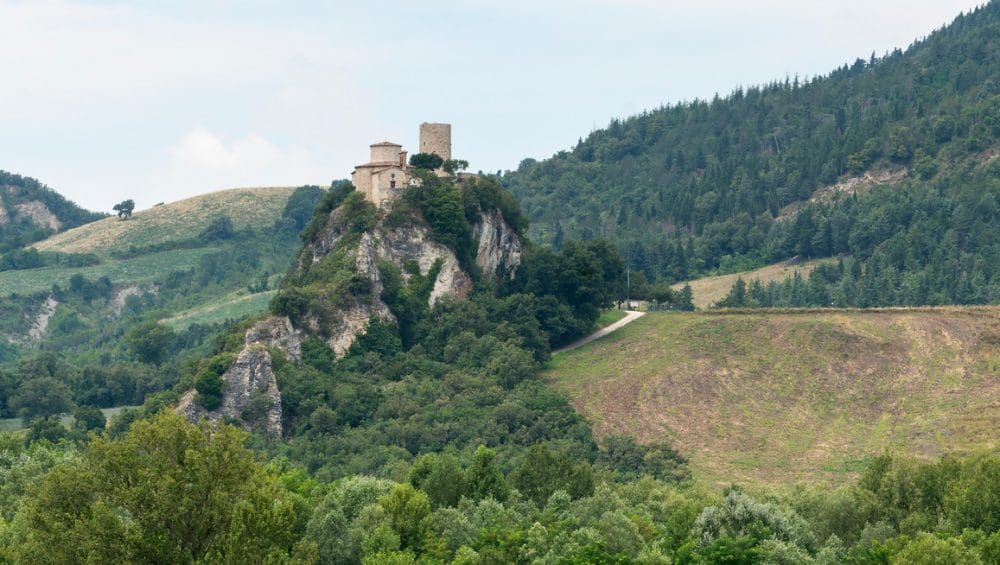
            The Colmollaro Castle is located on a rise in the land, partly surrounded by a thick forest, along the road to Galvana and Serra Brumonti in the south-facing sector of the Eugubine territory. Although it represents the last defensive bastion of the Eugubine basin in this area, it is remembered above all as a fief of the Raffaelli, a noble Eugubine family of Ghibelline orientation. One of whose representatives, Bosone Novello, became friends with Dante Alighieri near Arezzo where he had taken refuge after the expulsion of the Ghibellines from Gubbio. Tradition reports that the great poet, exiled from his homeland, found refuge with his friend Bosone who, once he returned to Gubbio, settled in this castle where Dante, his guest, wrote part of the Divine Comedy.

            Former Branca station

            The station was inaugurated on April 5, 1886, and remained active until May 22, 1945, when the railway, destroyed by bombing during the Second World War, definitively ceased operation. The last convoy that ran on the line stopped in Branca: it was a passenger train that was machine-gunned by the Germans just before the station, and was then towed by a tractor in the station square itself. The 12 holes caused by bullets on the track-side facade of the passenger building have been maintained and made clearly visible.

            Ask for information


              I have read and authorise the processing of my data in accordance with thePrivacy Policy

              I authorise the sending of commercial communications (optional)

              In Partnership

              From stone to sea

              From stone to sea

              The beating heart of the city and the protagonist of any visit is the scenic and panoramic Piazza Grande, an extraordinary example of a “suspended square”, supported by the arches that can be admired in the lower part of Gubbio, from which you can enjoy a splendid view of the valley.

              The square is home to Palazzo dei Consoli, the symbol of the city, built in Gothic style to testify to the importance of Gubbio in the medieval era. Inside Palazzo dei Consoli is the Gubbio civic museum, with the “campanone” and the seven “Eugubine Tables”, the most important document for the history of the Italic peoples, dating back to between the 3rd and 2nd centuries BC. Palazzo dei Consoli also has a curious historical record: it is the first Italian building to have had running water, pipes and toilets.

              In the lower part of the town is Piazza Quaranta Martiri, a market area in the Middle Ages. On the south side is the church of San Francesco, to which the episode of San Francesco and the wolf is linked. According to the story, when he arrived in Gubbio, San Francesco found the city deserted because the inhabitants were afraid of a ferocious wolf. San Francesco went into the forest and made a pact with the animal that the wolf would no longer attack the men, who would instead feed and care for him. The stone on which the pact was signed and the stone of the tomb where the wolf was later buried are still visible in this church. In the highest part of the city, at 908 meters above sea level, on Mount Ingino, you can admire the Basilica of Sant’Ubaldo which houses the remains of the saint and the famous candles. It is worth climbing on foot or by cable car. The little cable car adventure is recommended: you go up for about 500 meters suspended in the void in a small “cage” that can fit a maximum of 2 people, with a breathtaking panoramic view of the roofs of Gubbio and the surrounding countryside.

              The municipality of Scheggia and Pascelupo is a mountainous territory of about 64 km², which occupies the north-eastern portion of Umbria, on the border with the Marche, and is the only Umbrian municipality located entirely on the Adriatic side of the Apennine chain. Immersed in the heart of the Umbrian-Marche Apennines, it occupies a vast area of the Monte Cucco park. Woods, rocky walls, ravines, and springs of clear water are frequent.
              The area, in addition to a notable variety of plants such as beech, holm oak, and downy oak, is also home to animal species at risk of extinction, such as the Apennine wolf, the golden eagle, and the otter. Nearby are Mount Catria (1701 m), Mount Cucco (1566 m), Mount Motette (1331 m), Mount Le Gronde (1373 m), the Rio Freddo gorge and the Valle delle Prigioni.

              The Sentino river, with its course along the valley of the same name, crosses the territory of the municipality, but there are numerous other watercourses, among which the Rio Freddo (coming from the Monte Cucco massif), the Artino River and the Fosso della Gorga (which
              come from the Monte Catria group), the Fosso della Pezza (from Monte Tino), the Fosso di Campitello or Bulgarello, and the Sanbucara ditch (coming from Monte Motette) and the Fosso la Foce (from Monte Orneti) stand out for their importance in terms of flow.
              There are also numerous springs and sources of fresh water throughout the surrounding mountainous territory, including the Fontanelle source (783 m), S. Giglio spring, Campora spring and Peschi spring along the slopes of Mount Motette, Lorno spring (877 m), Bregna spring (830 m) along Mount Foria and Tino spring on the esplanades of Mount Forcello.

              The Scheggia mountain is Mount Calvary (949 m above sea level) on which the sanctuary of Mount Calvary is located. Its name derives from the Latin calles oviariae or “sheep paths”, in fact the mountain is
              the access route to the pastures of Mount Cucco. Its origins date back to the end of the first millennium AD and are closely linked to the history of the Camaldolese congregation. The hermitage was probably founded by Saint Romuald in 980. The abbey was greatly boosted by the work of Saint Pier Damiani, who became a monk here in 1035 and Prior from 1043, not only for the expansion of the original buildings but also for a strong cultural and spiritual development that made the hermitage a religious and social reference point.

              Tradition reports the number of 76 saints and blesseds who lived in the hermitage. The Hermitage is mentioned in the Divine Comedy (Paradise, canto XXI) by Dante Alighieri, who seems to have also been a guest there. The square in front of the basilica; on the left the entrance to the cloister and on the right the scriptorium. Built as an abbey in 1325, Fonte Avellana became a socio-economic power and, shortly thereafter (year 1392), it became acquainted with the practice of commenda (14th – 15th century). In 1569, Pope Pius V Ghilslieri suppressed the autonomous Avellanite congregation that had governed the monastery until then, passing it to the Camaldolese congregation. Not even forty years later, in 1610, it passed to the Camaldolese cenobitic congregation of San Michele di Murano, only to return to the Camaldolese congregation at the beginning of the twentieth century. Fonte Avellana remained “commended” until almost the end of the 18th century, and even if it had commendants such as Cardinal Giuliano della Rovere (later Julius II), who left signs of a building nature and embellishments worthy of note, it nevertheless deeply felt the inevitable conditioning, which is why the decline of its monastic life was inexorable, even if slow.
              This decline ended with the Napoleonic suppression of 1810 and shortly thereafter the Italian one of 1866. Having returned under the management of the Camaldolese monks in 1935, today Fonte Avellana has rediscovered its ancient splendor, both spiritual and architectural.

              The choir of the Basilica of the Monastery of Fonte Avellana On 5 September 1982 Pope John Paul II visited Fonte Avellana on the occasion of the celebrations for the millennium of the foundation of the Hermitage. In March of the same year the Pope elevated the abbey church to the dignity of a minor basilica. Since 2007, the monastery’s Botanical Garden, which has always been reserved for monks, has also been open to the public.

              The territory of the Municipality of Frontone has been inhabited since ancient times; the first population to create a stable settlement was certainly the Umbrians and later the Celts arrived first and then the Romans, then the area was conquered by the Lombards who were then replaced by the Franks. The first written documents that speak of the castle and the civil community of Frontone date back to the eleventh century, and its history, until the end of the fourteenth century, was inextricably linked to that of Cagli, to which it belonged as a fief. It then became a possession of Gubbio under the rule of the Gabrielli family until 1420 and then passed to the Duchy of Urbino, except for a very brief Malatesta domination. In 1530 the castle and the territory of Frontone became a county of the Duchy of Urbino, a gift from Francesco Maria I Della Rovere to the Modena nobleman Gianmaria Della Porta and remained so until the abolition of feudal jurisdictions following the annexation to the Napoleonic Kingdom of Italy (1808), an abolition later renewed by Pope Pius VII (1816).


              Ask for information


                I have read and authorise the processing of my data in accordance with thePrivacy Policy

                I authorise the sending of commercial communications (optional)

                Gallery

                Renaissance itinerary between Umbria and Marche in the footsteps of the Montefeltro family

                Renaissance itinerary between Umbria and Marche in the footsteps of the Montefeltro family

                This itinerary will take us through some of the most fascinating cities of Umbria and Marche, following the trail of the Montefeltro and the Renaissance. Each stop offers a unique opportunity to immerse yourself in the history, art and culture of one of the most fascinating eras in Italy.
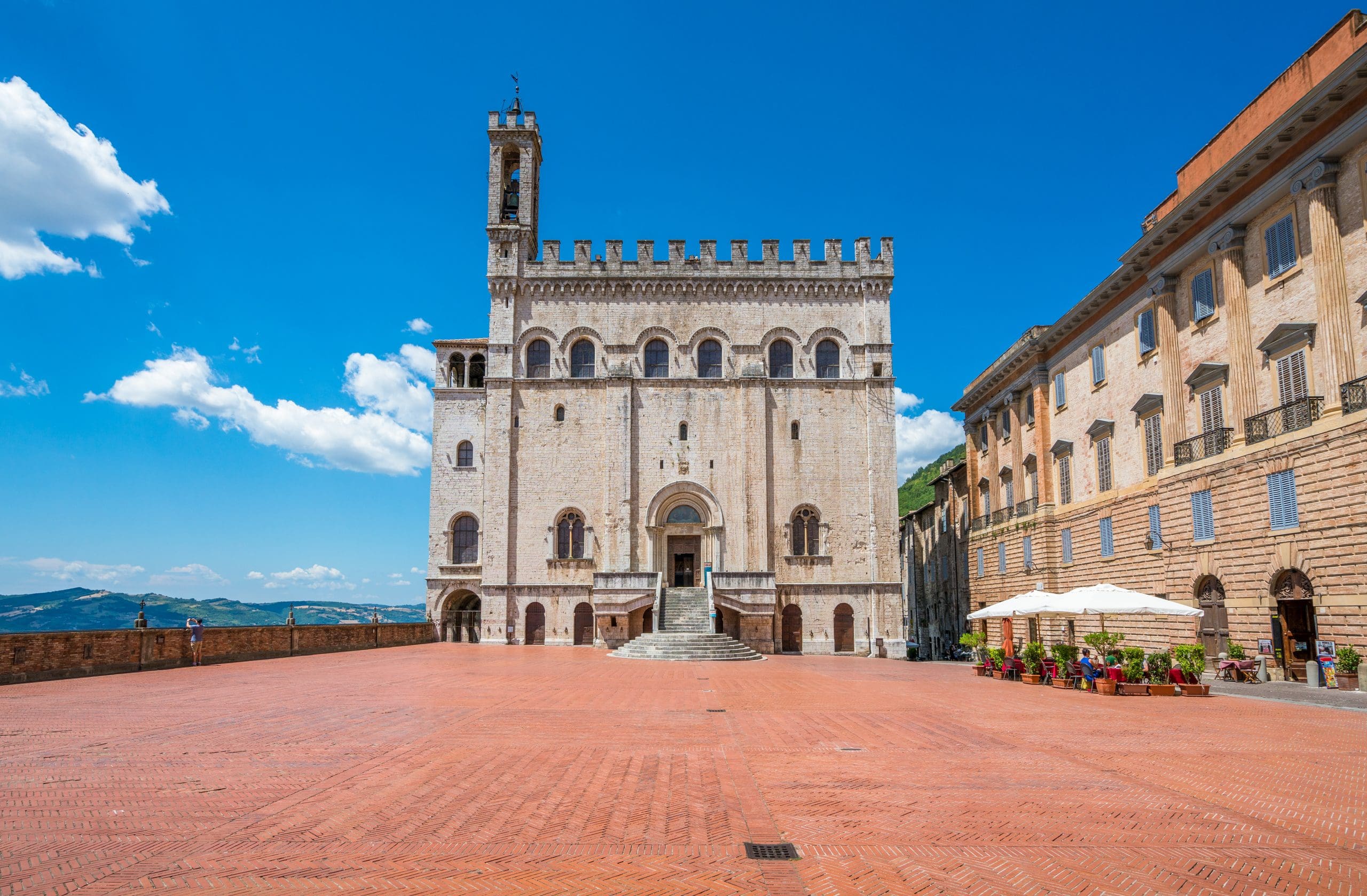
                The first stop on our journey is GUBBIO, one of the oldest cities in Umbria. In Piazza Grande stands the Palazzo dei Consoli, an extraordinary example of Gothic architecture that houses the Civic Museum. It will be possible to admire the collection of art and historical artefacts, including the Eugubine Tablets. Not far away is the Palazzo Ducale, a unique example of Renaissance architecture, commissioned by Federico da Montefeltro around 1476 as a residence for the family, following the illustrious example of the one in Urbino. The interior preserves some original furnishings and an extraordinary replica of Federico’s study, covered in inlaid wooden panels based on designs by Francesco di Giorgio. Don’t miss a walk along the medieval streets of Gubbio, breathing in the unique atmosphere of this city, or a cable car ride up Colle Eletto to admire a breathtaking view and visit the Basilica of Sant’Ubaldo.

                The route continues towards URBINO, the birthplace of Raffaello Sanzio and the cradle of the Italian Renaissance. Perched on the hills of the Metauro Valley, the city appears from afar with its Palazzo Ducale, built by Duke Federico da Montefeltro, a Renaissance masterpiece. Inside, it houses the Galleria Nazionale delle Marche, which houses works by Piero della Francesca, Titian and, of course, Raffaello. Duke Federico’s study, inside the Palace, houses a valuable coffered ceiling and is covered in the lower band with inlaid wood by Baccio Pontelli based on designs by Sandro Botticelli, Francesco di Giorgio Martini and Donato Bramante.

                Heading towards the coast, a stop is a must at GRADARA. A border village a few steps from Romagna, immersed in the hills but close to the sea, it is a space frozen in another time. The village has always been identified with its fortress that for centuries has defended noble and famous dynasties such as the Malatesta, the Sforza and the Borgia. Also mentioned by Dante in the Divine Comedy for the tragic love of Paolo and Francesca.

                The itinerary ends in PESARO, on the Adriatic coast. Italian Capital of Culture in 2024, UNESCO Creative City for Music and City of the Bicycle. Among the places to visit in the city there is certainly the Palazzo Ducale, a splendid Renaissance residence built by the Dukes of Urbino, which stands majestically on the square. Birthplace of Gioacchino Rossini, there are many places that recall the illustrious character such as his house or the Theater named after him. You cannot miss the Villa Imperiale, located on the hills overlooking Pesaro. This Renaissance residence, immersed in a lush park, is one of the most beautiful in Italy.

                The city boasts a long golden sandy beach, perfect for relaxing under the sun. The seafront is lined with palm trees and offers a splendid view of the Adriatic Sea. We suggest taking a walk, renting a bike or simply enjoying the sea and the sun.

                Ask for information


                  I have read and authorise the processing of my data in accordance with thePrivacy Policy

                  I authorise the sending of commercial communications (optional)

                  Gallery