What to do in Umbria in December? UmbriaSì tells you


December is a magical month in Umbria, when the landscape transforms into an enchanting winter scene.

We would love to guide you through a unique journey in this fascinating region, offering you an unforgettable experience during the festive season.

Discover with us what to do in Umbria in December and let yourself be enchanted by this unique destination.

Christmas Markets
Get into the festive atmosphere by exploring the Christmas markets of Perugia and Assisi, Gubbio, Spoleto, Orvieto, Terni
The squares are filled with twinkling lights, colorful stalls and the delicious smell of local specialties. It’s the perfect opportunity to buy unique gifts and taste Umbrian delicacies.

The world’s largest Christmas tree on the water on Lake Trasimeno
The Christmas tree on Lake Trasimeno is a magical tradition that lights up the shores of the lake in December. The tree displays twinkling lights, creating an enchanting spectacle reflected on the water. The lighting ceremony, usually accompanied by festive events, attracts visitors and residents, creating a unique Christmas atmosphere on the shores of this picturesque Umbrian lake. An unmissable experience to immerse yourself in the magic of the holidays in a suggestive context.

The largest tree in the world in Gubbio
It is certainly one of the most impactful Christmas attractions not only for Umbria, welcoming visitors who flock to admire the largest tree in the world from all over Italy and abroad.
Located along the slopes of Mount Igino, it is made up of around 800 lights powered by renewable sources and therefore not only a project with a great tourist impact but also eco-sustainable.

Living Nativity Scenes: Tradition and Authenticity
Umbria is a land of ancient traditions and deep spirituality. With today’s Christmas-themed article, we will immerse ourselves in one of the most significant traditions: the Nativity Scene of St. Francis of Assisi.
This sacred representation is a testimony to Umbria’s cultural and religious heritage, an icon of faith and devotion that attracts visitors from all over the world.

Umbria in December offers a unique experience that blends the magic of the holidays with the beauty of nature and tradition. Trust us to organize your trip, ensuring a complete immersion in the culture, gastronomy and scenic wonders of this fascinating Italian region.

Make your December unforgettable with a trip to Umbria.

💚 We are waiting for you in Umbria 💚

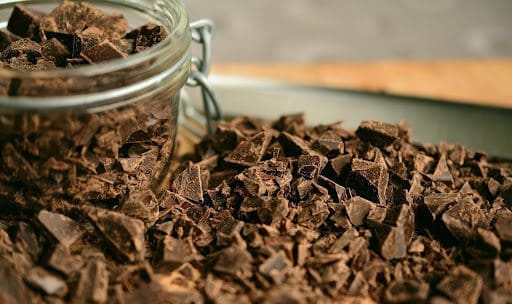
Chocolate lessons

Perugia and Perugina
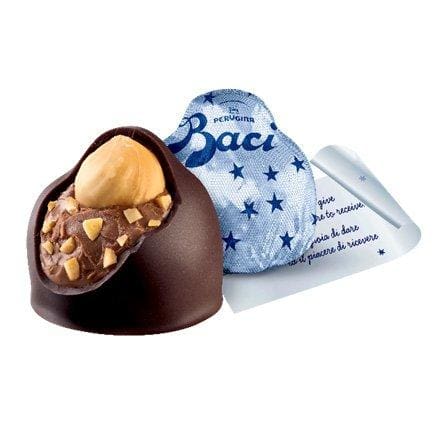
From the foresight, sagacity, vision and revolutionary and modern ideas of Luisa Spagnoli, Perugina was born in 1907 from a small laboratory in the center of Perugia, taking over a grocery store together with her husband Annibale Spagnoli and giving rise to a new idea of understanding and transform cocoa and chocolate: in Perugia, rich in small shops, industrial activities spread which expanded the chocolate market and above all the fame of Perugia.

“The famous creation based on chopped hazelnuts, gianduja and dark chocolate coating, a great intuition of Luisa Spagnoli over a century ago and still today the workhorse of Casa Perugina, originally had the shape and name of a fist or rather of a “punch”. A name that was later changed by Giovanni Buitoni in 1924 into the famous Bacio Perugina”.

The origins
The cultivation, dissemination, marketing and consequently the kaleidoscopic use of chocolate or cocoa is relatively recent. We are between the 16th and 5th centuries BC, in the Yucatan peninsula, when the monkeys began to feed on the cocoa fruit, the pod, eating the pulp and throwing away the seeds (what are known today as cocoa beans) and contributing to the spread of cocoa plants. And it is precisely by imitating the monkeys that the Maya approached the “fruit of the gods” starting from the fifth century BC and spreading cultivation. It is said that the entire Masomaerican population considered cocoa a divine gift: therefore linked to important celebrations and sacred rites. Nonetheless, the Mayans had understood the nutritional properties and the potential contained in the fruit: it was believed, in fact, that cocoa was a sexual tonic and therefore was given to the bride during the marriage ritual. Divine fruit, dish for rituals and still a currency of exchange, cocoa becomes an integral part of everyday life for the Mayan population. The modern processing of cocoa to obtain chocolate actually dates back to the Mayas, with small modifications, different cuts, new techniques but essentially it was the Mayas who taught us how to transform seeds wrapped in a white and stringy substance into modern chocolate: the the fruit (the cabossa) was opened leaving the seeds (the beans) to ferment in the sun; then followed the roasting and grinding with a rolling pin that broke the bean letting out the cocoa butter (the fatty part of the fruit) to which added flavorings and corn flour giving rise to the cocoa mass. They were then preserved by drying in pats and consumed with the addition of hot water, filtered and drunk cold as a drink after a meal and called by the Aztecs “tciocoatl”, while the cocoa plant was “cacahuatl”.

ChocoPills: chocolate and philosophy
“Chocolate was particularly appreciated by the Enlightenment. Voltaire consumed several cups a day, finding chocolate very useful for philosophical speculation: unlike alcohol which dulled cognitive abilities, chocolate stimulates them” – Luca Fiorucci, journalist

But we don’t listen to Voltaire and recommend chocolate with wine!

With chocolate we have organoleptic sensations such as succulence (salivation when tasted), the bitter tendency (linked to the cocoa % of chocolate which we remember have tannins like wine), fatness (linked to cocoa butter and milk), structure, aroma, intensity, sweetness and persistence. Depending on the organoleptic properties of the chocolate, we will be able to combine the wine that best marries and matches. For succulence, for example, we will look for a wine with alcohol and tannins. For the bitter tendency, alcohol and softness. For the fatness a savory wine.

[wte_trip ids='8634' layout='list' postsnumber='1’']

Foliage in Umbria

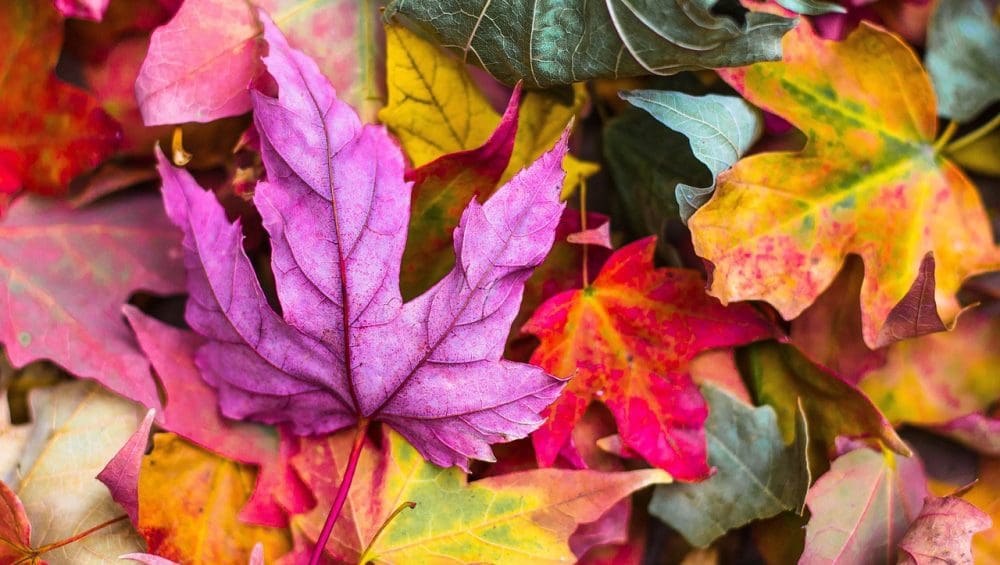
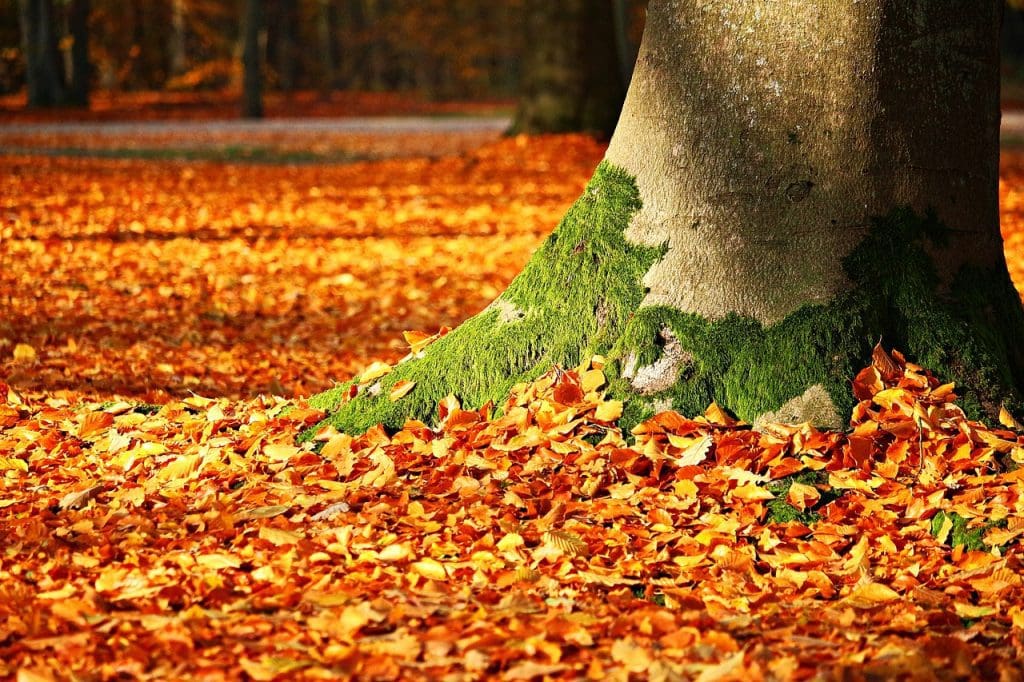
The Green Heart of Italy warms up with colors in autumn: from September Umbria lights up with red, yellow and orange!

After the summer heat, nature blows its most beautiful colors and, temporarily abandoning the green, it colors before the arrival of winter. Autumn in Umbria is made up of the smell of leaves, of wood burning in the first fireplaces that are lit.

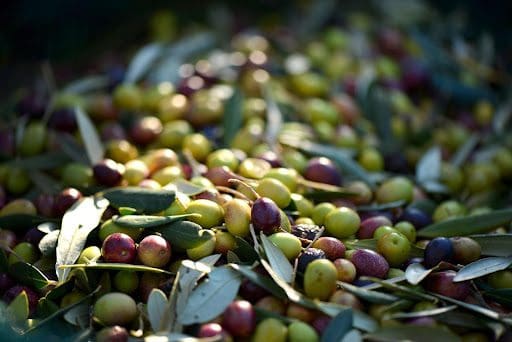
It is the season of harvesting and pressing the olives, then boiling the musts and mills where you can taste the bruschetta with the new oil.

Don’t miss a bike ride along the Strada del Sagrantino, with its purple vines, or a walk in the woods, such as the Bosco di San Francesco in Assisi, where you can admire the autumn foliage, or go with the children to collect chestnut curls in the area of ​​Città di Castello.

Gubbio a journey through time between history, legends and taste

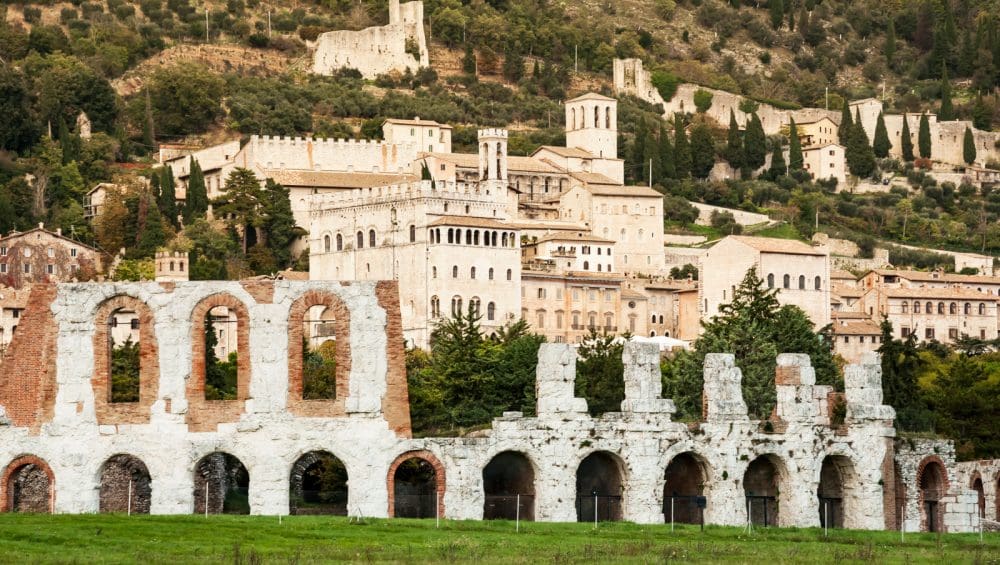
Imagine walking through ancient stone alleys, with the scent of truffles mixing with the fresh mountain air. Gubbio is a dive into the past, a village that seems suspended in time, ready to give you an authentic experience, between culture, breathtaking views and gastronomic delights.

The day begins with the arrival in Piazza Quaranta Martiri, where our guide will welcome you to reveal the secrets of this unique city. From here, we climb towards Piazza Grande, a terrace suspended between sky and stone, from which the gaze is lost over the Umbrian hills. We visit the majestic Palazzo dei Consoli, guardian of the ancient Tavole Eugubine, evidence of the Umbrian civilization.

But the real spectacle is found even higher up: a cable car ride takes us to the Basilica of Sant’Ubaldo, where an unforgettable view of the city and the history of the patron saint of Gubbio awaits us, protagonist of centuries-old traditions such as the famous Festa dei Ceri.

At this point, the appetite makes itself felt and there is no better way to satisfy it than with a typical lunch in a historic trattoria. Gubbio is the land of the crescia calda, first courses with truffles and succulent second courses, perhaps accompanied by a glass of wine. A journey through Umbrian flavors that is not easily forgotten.

After lunch, our walk takes us to the Church of San Francesco, where the extraordinary friendship between the Saint of Assisi and the wolf of Gubbio is told, a story that still echoes within these sacred walls today. Then, some free time: you can lose yourself among the local craft shops, discover the traditional Eugubine ceramics or let yourself be won over by the typical products to take home as souvenirs.

In the late afternoon, with hearts full of beauty and hands perhaps laden with delicacies, we say goodbye with the promise to return. Because Gubbio is not just a destination, it is an experience that stays with you.

Do you want to discover Gubbio in one day? Contact us for a tailor-made excursion!

💚We are waiting for you in Umbria 💚

Perugia in one day: a journey through art, history and flavours

Do you only have one day to visit Perugia?

Don’t worry: with our advice, you will live an unforgettable experience in the heart of Umbria. This city, rich in history, art and culinary traditions, is the perfect destination for a getaway dedicated to beauty and taste.

Morning: discovering the historic center
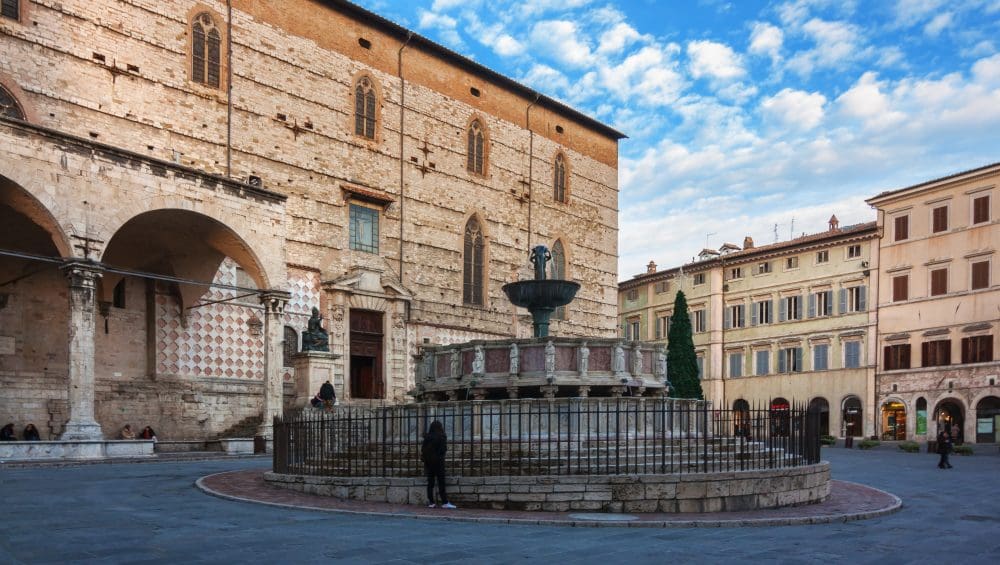
Your adventure begins in Piazza IV Novembre, the nerve center of Perugia. Admire the magnificent Fontana Maggiore, one of the most beautiful medieval works of art in Italy, and the evocative Cathedral of San Lorenzo, with its interior rich in history and spirituality.

Right next to the Cathedral in the Cloister, you can access Perugia Sotterranea, it will be like taking a real journey through the centuries. This experience, little known even by the people of Perugia themselves, allows you to visit the submerged world of the city of Perugia, and learn about the various stratifications: from the Etruscans, through the Romans and the papal settlement, up to the current conformation of the city center.

Also in Piazza IV Novembre, you will find the majestic Palazzo dei Priori, which houses the Galleria Nazionale dell’Umbria.

Here you can admire masterpieces by artists such as Perugino, Raphael’s teacher, and Pinturicchio. If you love art and history, this is an essential stop.

Lunch: authentic Umbrian flavors
For lunch, immerse yourself in the local gastronomic tradition. A typical trattoria is the ideal place to enjoy dishes such as umbricelli with black truffle or torta al testo, a focaccia filled with cured meats and cheeses. If you prefer something more rustic, a platter of local products and a glass of wine will give you an authentic taste of Umbria.

Afternoon: a journey through the past and views
In the afternoon, visit the evocative Rocca Paolina, a true underground city built in the 16th century by order of Pope Paul III. Walking through its underground alleys will be like reliving the Perugia of the Renaissance.

Then, stroll along the Corso Vannucci, the main street of the city, full of shops, cafes and artisan workshops. Here you can buy unique souvenirs, such as hand-painted ceramics, artisanal fabrics or the famous Perugina chocolate.

Take a break. We recommend that you taste the food of the gods in one of our chocolate shops in the historic center.

Before ending the day, stop at Giardino Carducci, a perfect place to relax and enjoy a breathtaking view of the Umbrian valley. From here, the sunset offers magical colors that will remain in your heart.

Contact us to discover every hidden corner, organizing personalized tours, culinary experiences and activities that will make your trip unforgettable.

💚 We are waiting for you in Umbria 💚

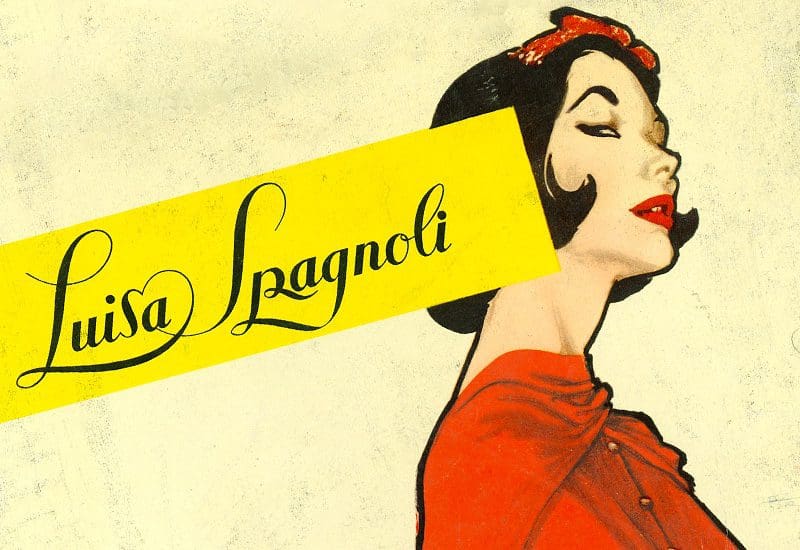
Luisa Spagnoli

Beyond Fashion and Chocolate, a Woman Philanthropist on the Horizon

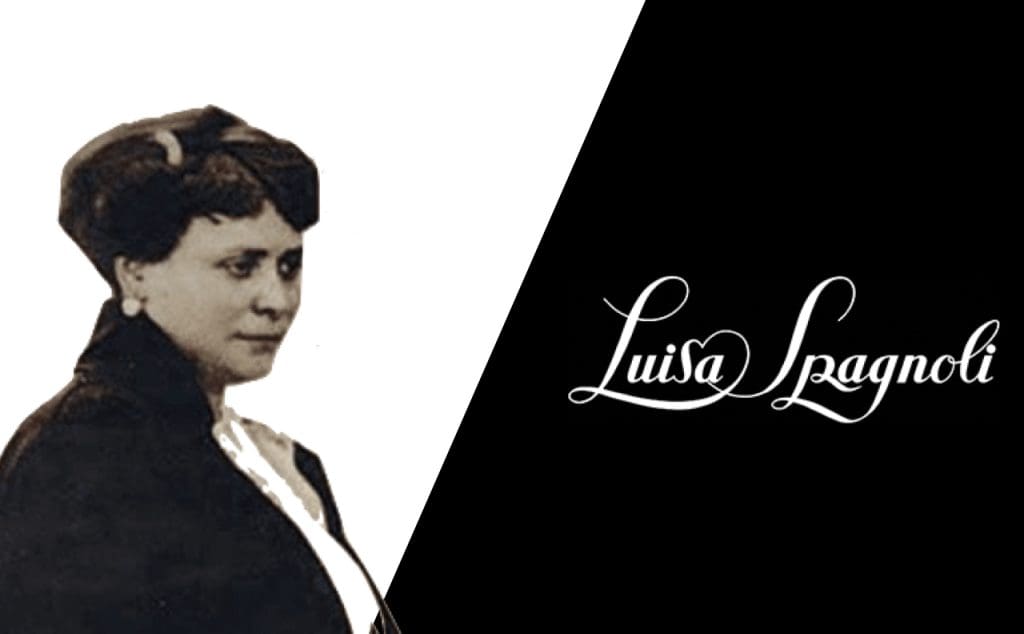
Luisa Spagnoli, a name that evokes immediate images of refined fashion and chocolate delicacies. However, his legacy goes far beyond runways and treats. Today, we want to reveal the lesser-known side of this extraordinary woman: her philanthropist soul.

For those, like me, who were fortunate enough to wander the picturesque hill of Santa Lucia at a young age, it was not at all uncommon to come across angora bunnies that had escaped from Luisa’s gardens. After the devastation of the Second World War, Luisa Spagnoli became passionate about these adorable animals, starting not only to create a collection of them, but to intuit a secret that would revolutionize the world of fashion: the art of combing, rather than shearing, these rabbits . A kind gesture that allowed us to obtain a yarn with unprecedented softness, a fabric that pampered the skin like no other.

And what about his delicious chocolates? The Bacio Perugina is a name known throughout the world, but there is another tablet that bears his name, a creation that some Perugians affectionately call “Carrarmato”, perhaps as a tribute to his tenacity and strength of mind.
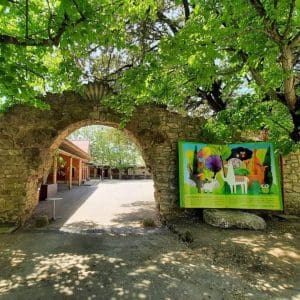
And finally, we cannot forget the contribution of Luisa Spagnoli to the creation of Città della Domenica, the first theme park in Italy, born thanks to the ingenuity of her son Mario in 1963. She decided to use the land she owned on Mount Pulito, in the Ferro di Cavallo neighborhood in Perugia, in a park for family leisure, a sort of ideal city that was initially supposed to take the name of “Spagnolia”. Of enormous size for its time (over 43 hectares of land), the park presents, immersed in the dense Umbrian vegetation, wildlife areas and fairy-tale themed structures.
Luisa Spagnoli was much more than just a fashion and chocolate icon. She was a visionary woman, a generous philanthropist and an inspiration to future generations. His legacy extends far beyond the confines of catwalks and chocolates, a shining example of how passion, dedication and kindness can shape the world for the benefit of all.

Credit photo by:
Cittàdelladomenica.it
NestlèItalia.it
Ilverdemondo.it
Kongnews.it
IlDenaro.it
Dante and the olive tree

We dedicate a space to Dante and Umbrian oil through the book “Dante conversations. Oil from Umbria: what remains of Dante’s Middle Ages in food and wine Umbria” written and edited by Diego Diomedi, trainer and lecturer in the food and wine sector and other writers and journalists who participated in drafting the text. In particular, the author, Diego Diomedi, underlines how his interest and his passion for food and wine arise from a profound curiosity about the origins and Italian food traditions, with particular reference to the Middle Ages and above all to Dante’s approach to Italian cuisine with a focus on the olive tree and Umbrian oil. “The book was born out of the need, starting from the historical re-enactment of San Gemini, to dedicate this great celebration which lasts 2 weeks to the Great Poet. Different topics are dealt with in the text”- Diego tells us

DANTE AND THE OLIVE TREE
The oil and therefore the olive tree is deeply rooted in our tradition and in our culture. It finds origins in the classical age and uses already in Roman and then medieval times. Within the Divine Comedy, references to food or everything related to nutrition is treated not from a material and therefore nutritional point of view but from a purely spiritual and religious point of view.
During the writing of the Divine Comedy Dante Alighieri gives great importance to the olive tree citing it twice as an element rich in religious symbolism: Beatrice herself presents herself to Dante with the olive crown: «sovra candido vel cinta d’ulivo/donna he appeared to me under a green mantle» (vv. 31-32, canto XXX of Purgatory)

The common thread of this book is to talk about Dante through food and wine immersed in central Italy with the connection to Umbria which acts as a bridge, like a flow of thought, roots and traditions.

AFTER THE GREAT WAR
“Oil is rooted in our culture but it is also a product reserved for the few until the Second World War. In fact, the invention of owning an olive grove was bourgeois, as lard and butter were reserved for the poor class. It is only in after the Second World War that the consumption of oil undergoes changes. This surge in consumption for Umbria did not mean a sudden transformation of the characteristics of the market. However, the product is starting to have wider spaces also favored by the greater productions made in the previous decades.”- he explains Prof. Renato Covino, adding that “the pedological nature of the Umbrian hilly soils, often fliscioide (with a high limestone content) leads to the diffusion until recent times of Moraiolo, which produces a few kilos per plant and therefore less oil, and a geographical location especially around the Trasimeno basin, which guaranteed a temperate climate effect, and along the hills that surround the Umbrian Valley (from Assisi to Spoleto). The presence in mixed crops, where it supports or replaces the vine and coexists with cereals, makes it a production intended for substantially domestic use, which becomes part of the subsistence economy of the sharecroppers and of consumption of the landlords”.


UMBRIA, THE GREEN HEART OF ITALY
Ivo Picchiarelli underlines how “in the perception of the imagination of Umbria the gray-green of the olive trees has recently leapt into evidence, in particular that of the piedmont olive belt which, uninterrupted, from Assisi to Spoleto overlooks the Spoletana Valley. Various factors contributed to this. Even the green region of Umbria seems to have chosen this color as its emblem”.

OLIVE OIL AND MODERNITY
Alessandro Giotti talks about the relationship between modernity, tradition and innovation also in the field of olive growing and how the advance of technology has effectively changed the production methods of “historic olive groves and ancient varieties” and the concept of oil in terms of consumption and use in the culinary field and beyond, and in particular he explains that “nowadays technology allows us to have technologically very advanced two-phase mills of small or medium size capable of producing very high quality. Therefore, many mills are spreading which are often born in the heart of the place of production of the olives, making the transformation process very efficient and fast. These crushers, having smaller dimensions, also allow you to manage even smaller batches, facilitating, for example, precision machining, essential for the production of monovarietals. The latter are starting to become more and more widespread and allow us to offer those who are or will be able to appreciate the incredible biodiversity we possess. Just think of Nostrale di Rigali, Borgiona, Dolce Agogia al Raio in our Umbria, not to mention of the prince of all Umbrian and Tuscan cultivars, the Moraiolo.
The intention is to give new life to enchanting places in Umbria, enhancing the territory and production quality and becoming a true destination for those in search of experiences and quality products”.

What to do in Umbria in November? UmbriaSì tells you

November in Umbria: The Month of Taste! Our suggestions for an Autumn Holiday

November is the perfect month to visit Umbria if you are a lover of good food, nature and authentic traditions. Known as the green heart of Italy, the region in autumn transforms into a paradise for the senses, especially for food lovers. November is, in fact, the Month of Taste in Umbria, a period in which intense flavors, fine products and local traditions blend into an unforgettable experience.

Here are three tips to organize a holiday in Umbria in November.

Frantoi Aperti: Discover the secret of extra virgin olive oil

November in Umbria is synonymous with Frantoi Aperti, the event dedicated to freshly pressed extra virgin olive oil. Throughout the month, you can visit traditional mills, watch the oil extraction process and taste it fresh on a slice of toasted bread, the classic bruschetta.

Villages such as Trevi, Spello and Bevagna organize tastings, guided tours and activities related to this ancient tradition. This is the perfect time to discover one of the region’s most popular products and learn about the processing techniques passed down from generation to generation. In addition, Umbrian extra virgin olive oil is a perfect gift to take home, an authentic flavor that captures the essence of the Umbrian land.

Medieval Villages and Autumn Atmosphere: Tranquility and Tradition

November is the month in which Umbria’s medieval villages show their most intimate and charming side. With fewer tourists and a relaxed atmosphere, you can explore places like Gubbio, Spoleto and Montefalco enjoying their beauty in complete tranquility.

Walking through the cobbled streets of these villages in autumn is a special experience: the warm colors of the leaves, the soft lights and the fresh air create a unique atmosphere. This is the perfect time to slow down and immerse yourself in the local culture, visit ancient churches, discover artisan workshops and stop in an inn to taste typical dishes of the season.

In addition, many places begin to prepare for Christmas with markets and small events that enrich the autumn experience, offering you a taste of the most authentic and welcoming Umbria.

Truffles and New Wine: Autumn Delicacies

November is the month of authentic flavors in Umbria, in particular of the white truffle and new wine. The region is famous for its truffles, and during this period many festivals and exhibitions dedicated to this precious fungus are celebrated. At the same time, November is also the month of vino novello, a young and fruity wine that pairs perfectly with the typical dishes of the season. The Umbrian cellars open their doors to offer you tastings and convivial moments, where you can discover the secrets of wine production and toast to the flavors of autumn.

💚 We are waiting for you in Umbria 💚

What to do in Umbria in October? UmbriaSì tells you

October in Umbria: When Autumn Magic Embraces the Green Heart of Italy!

Dear lovers of autumn adventures and breathtaking scenery, prepare to be enchanted! Umbria, that little gem hidden in the green heart of Italy, transforms into a true natural spectacle during the month of October. Golden and red leaves paint the landscape. It’s the perfect time to explore this enchanting region.

Here are our three tips on what to do in Umbria in October

Unique autumn atmosphere

The medieval villages of Umbria are tinged with warm autumnal shades, creating a magical atmosphere perfect for walks and relaxation.

Perfect landscapes for trekking

The Umbrian paths become ideal for autumn excursions, with the foliage that paints nature in red, orange and yellow, perhaps savoring the best that this land has to offer

Taste autumn in Umbria

In October you will find many events dedicated to typical products such as truffles, new oil, new wine and chestnuts, where you can taste local delicacies directly from the producers.

💚We are waiting for you in Umbria💚

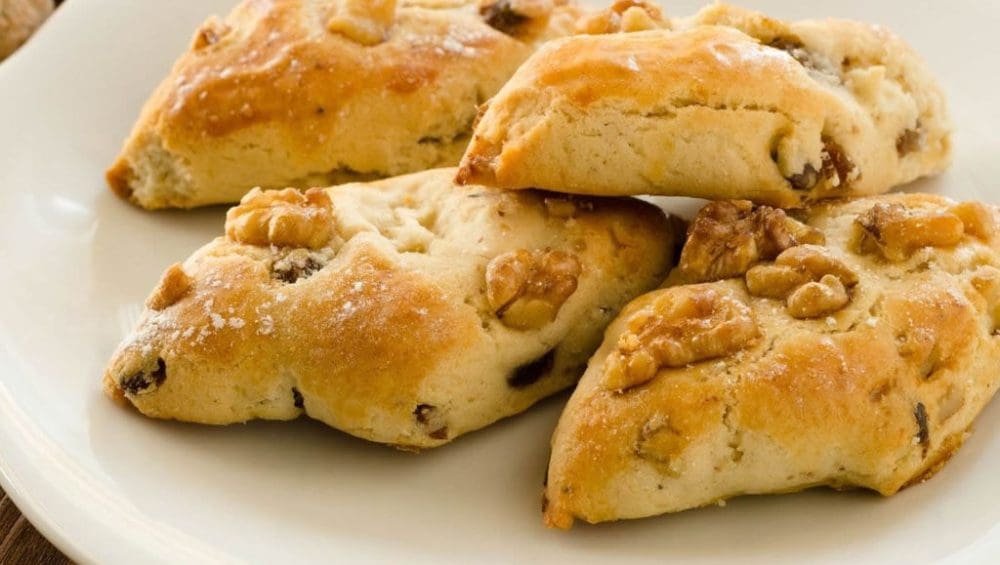
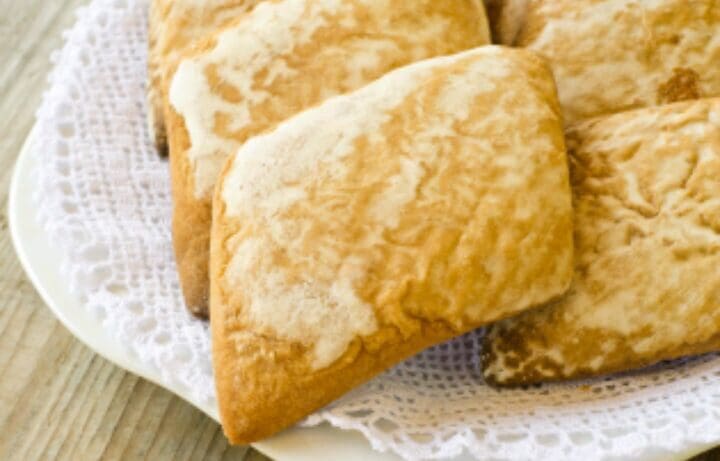
Mostaccioli

In the month of September, typically known for the grape harvest and the grape harvest, we find a famous traditional dessert from Umbria
According to tradition, mostaccioli were the favorite dessert of Saint Francis who tasted these “good and fragrant” biscuits, as the saint said, during his first stay in Rome.
Offering what would become her perennial “sin of gluttony” was Jacopa de’ Settesoli, a Roman noblewoman, who became a collaborator of the newborn Franciscan movement and a dear friend of Saint Francis, so much so that he affectionately called her Friar Jacopa. It is said that Saint Francis liked these sweets so much that he desired them even at the point of death!
Ingredients
Flour 600 g
Sugar 200 g
Raisins 50 g
Brewer’s yeast 50 g
Must 300 ml
Zest of 1 lemon
Extra virgin olive oil 2 tablespoons
Anise seeds (if desired)

Preparation
After sifting the flour, arrange it in a well and add the oil, sugar, sultanas and anise seeds. Mix everything and, once the brewer’s yeast has dissolved in the must, add it to the mixture, continuing to knead until you obtain a dough that can easily be detached from the work surface.
At this point, stretch the dough with your hands to obtain a cylinder, cut it into small pieces and give your mostaccioli the appearance you prefer: diamond-shaped or in the shape of a small donut. Then place them on the baking tray with baking paper. Bake them at 180 degrees and let them cook for about 30 minutes. Once ready, sprinkle a little icing sugar on top.

Curiosity
Cooked must was a typical sweetener throughout peasant Italy and was obtained by cooking fresh must for many hours in low, wide copper containers. Over time, this delicious but time-consuming ingredient has been replaced by sugar.
Cooked must is produced by pressing well-ripe grapes, with a higher sugar quality than that required for the production of wine (23-25% sugar), subsequently filtering the juice obtained. After this, the juice is cooked in containers traditionally made of copper or terracotta, but today replaced by stainless steel. Once boiled, it continues to cook over a low heat for several hours, until the liquid shrinks by a quarter of its initial volume. In many southern regions, “mostaccioli” are famous, desserts made from cooked must, but with a rhombus shape that differentiates them from our tradition.

Copyright foto La gazzetta del gusto
Umbriatourism